The Truth About Stamped Concrete
Stamped concrete is one of those materials where execution is everything. Done well by an experienced crew, it can look like natural stone at a fraction of the cost. Done poorly—and I see this constantly—it looks fake, cracks within 2-3 years, and costs nearly as much to fix as starting over with pavers.
I'm going to be honest: I talk about 30% of my clients out of stamped concrete. Not because I can't do it, but because their specific situation calls for a different material. Here's how to know which camp you're in.
When Stamped Concrete Works Beautifully
- Large, flat areas with minimal curves (patios, pool decks, driveways)
- Projects where you want a seamless, monolithic look
- Budgets that can't stretch to natural stone but want more than basic concrete
- Areas with stable soil (not expansive clay or hillside)
- Designs where you want a uniform color and pattern
When I Recommend Pavers Instead
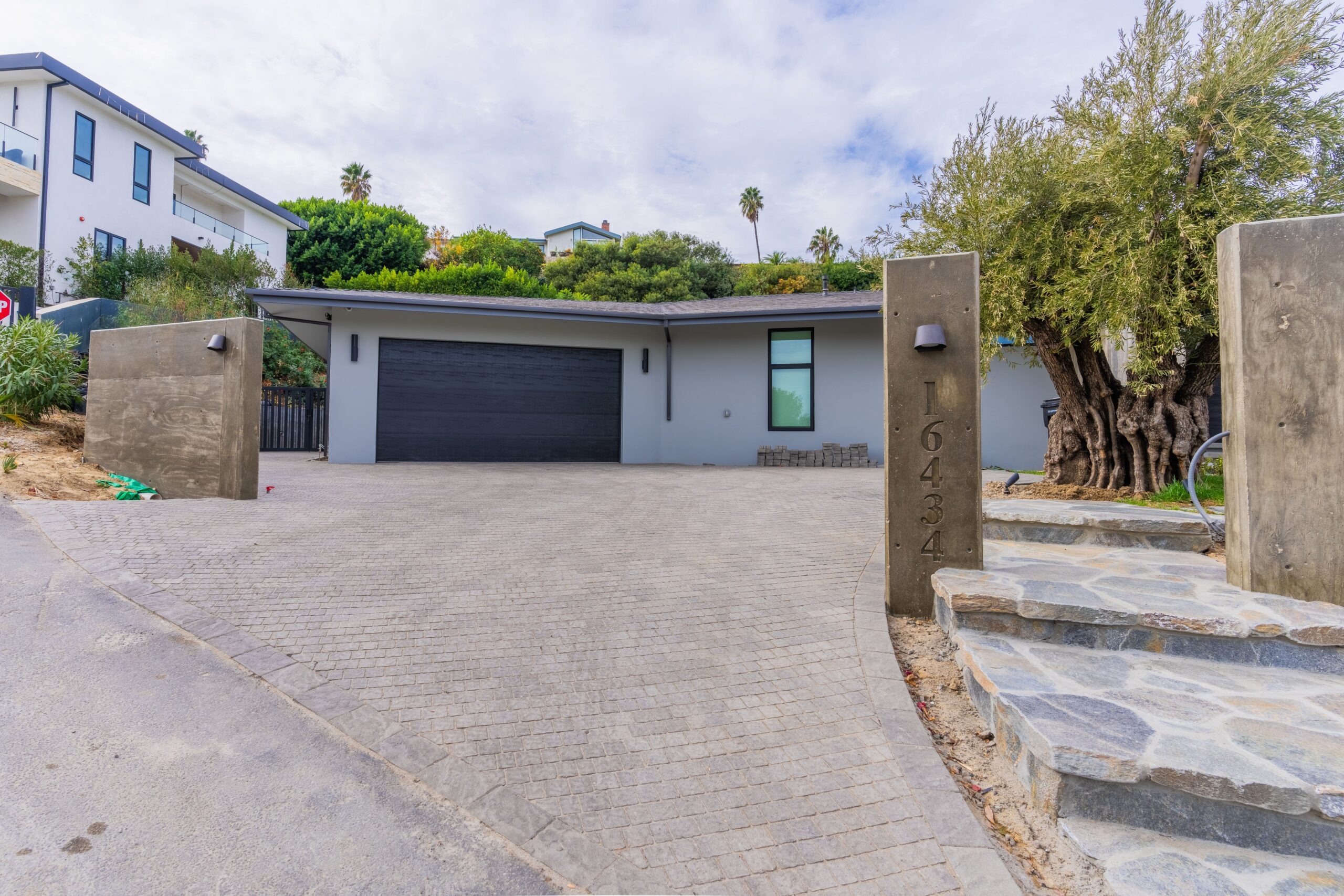
- Hillside or sloped properties (soil movement cracks stamped concrete)
- Areas with tree roots nearby (roots heave concrete but pavers can be reset)
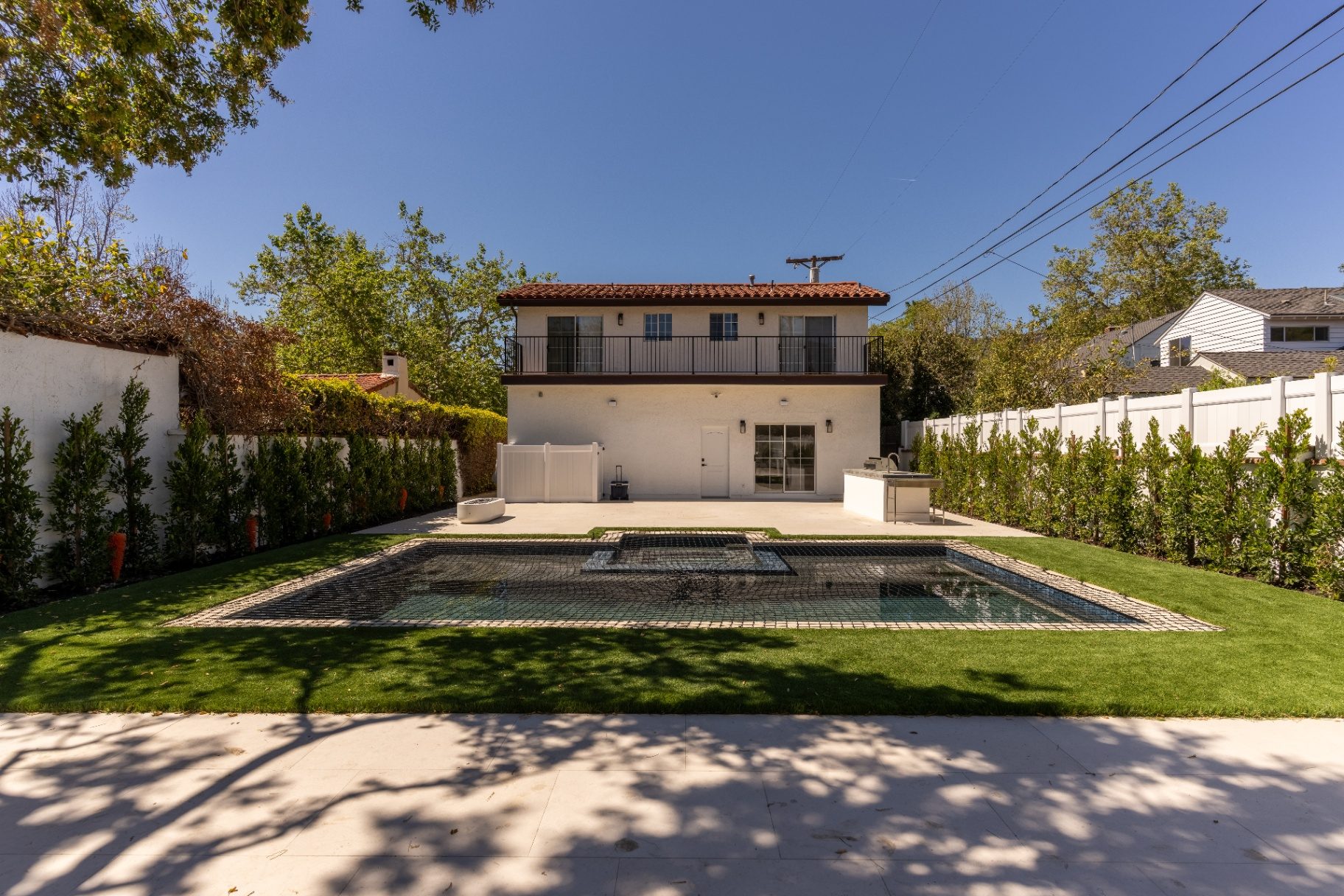
- Pool decks in the hottest Valley areas (stamped concrete gets scorching)
- Projects where future repairs might be needed (utility access, plumbing)
- Seismic-active zones (pavers flex; concrete cracks)
Popular Stamp Patterns in LA
These are the patterns I install most frequently and that hold up best over time:
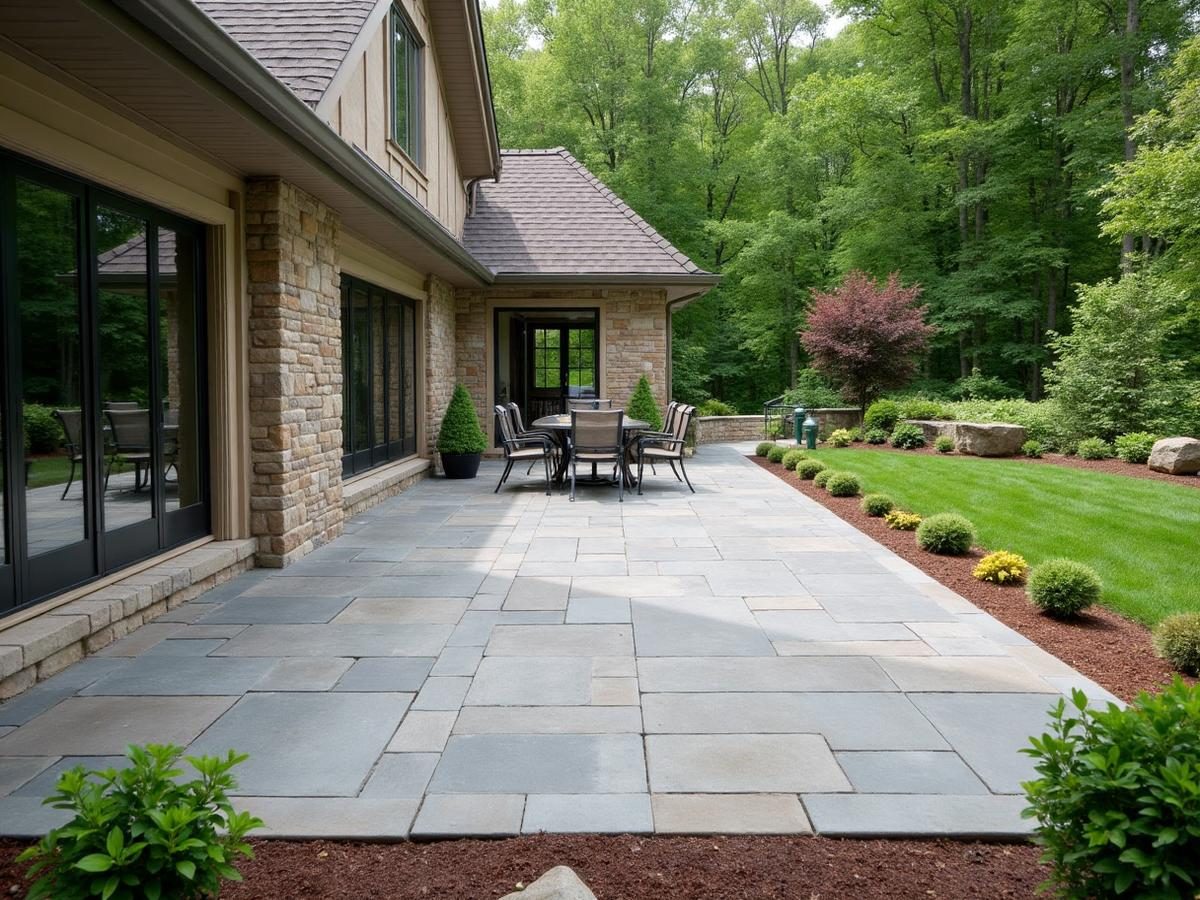
- Ashlar slate — The most popular. Clean lines, natural stone appearance. Works with modern and traditional homes.
- Old English fieldstone — More rustic, irregular shapes. Great for Mediterranean and Spanish-style homes.
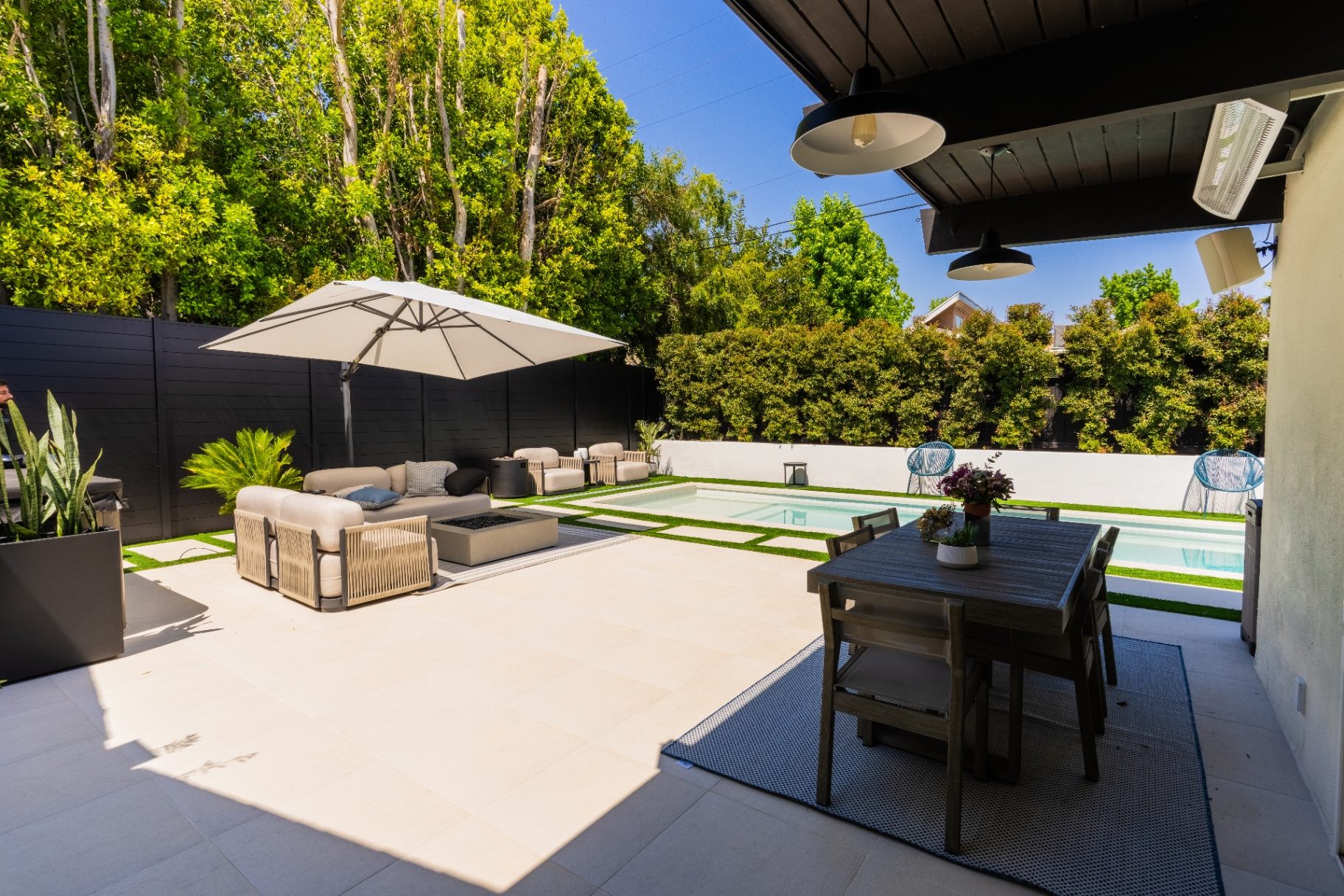
- Wood plank — Mimics hardwood deck boards. Popular for pool decks and outdoor dining areas.
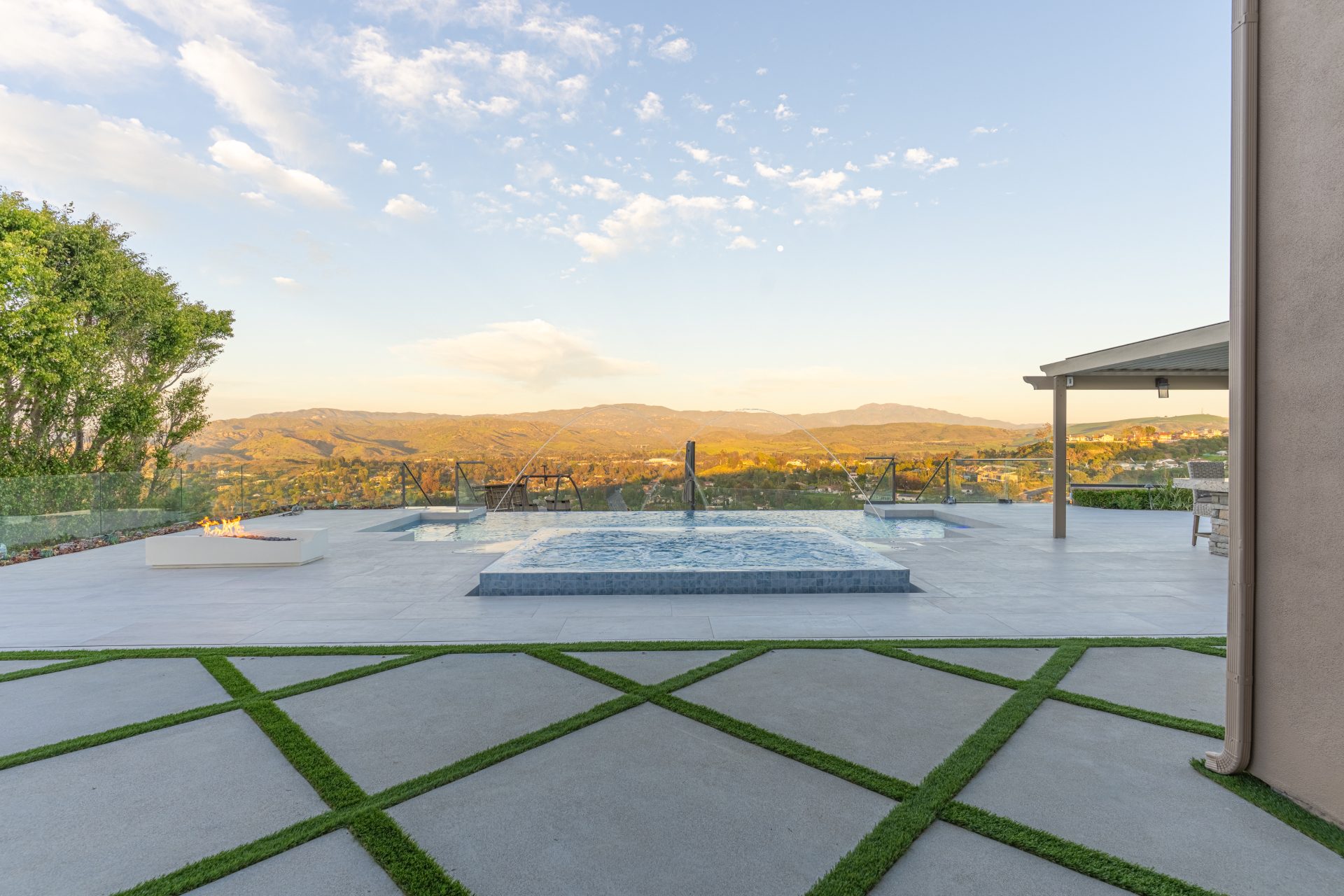
- Large format tile — 24x24 or 18x18 square patterns. Very contemporary. Clean and modern.
- Herringbone brick — Classic pattern. Excellent for driveways and walkways.
What It Actually Costs in LA (2026)
- Basic stamped concrete: $15-22/sq ft installed
- Premium stamped with multiple colors: $20-30/sq ft installed
- Stamped overlay on existing concrete: $10-18/sq ft installed
- For comparison — concrete pavers: $18-30/sq ft installed
- For comparison — travertine pavers: $28-45/sq ft installed
The savings over pavers narrows significantly when you add color hardener, release agent, and quality sealer. For a 800 sq ft patio, the difference might only be $3,000-5,000. And pavers don't crack.
The Maintenance Reality
This is where stamped concrete gets expensive long-term:
- Resealing: Every 2-3 years ($1.50-3/sq ft)
- Crack repair: $200-800 per crack (and they will crack eventually in LA)
- Color fading: UV exposure fades stamps. Re-coloring costs $3-6/sq ft
- Joint failures: Control joints can become trip hazards if not maintained
💡 Pro Tip
If you go with stamped concrete, insist on fiber mesh reinforcement AND rebar. The extra $2-3/sq ft prevents 90% of the cracking issues I see on competitor work.
Elan was honest that pavers would be better for our hillside lot. We're glad we listened—our neighbors went with stamped concrete and already have cracks after one rainy season. — David R., Sherman Oaks
Frequently Asked Questions
How long does stamped concrete last in LA?
With proper maintenance and sealing, 15-25 years. Without sealing, expect color fading and surface deterioration within 5-7 years.
Can stamped concrete be repaired if it cracks?
Small cracks can be filled and re-colored, but repairs are often visible. Large cracks or heaving usually require demolition and replacement of the affected section.
Is stamped concrete slippery when wet?
It can be if over-sealed with a glossy sealer. We always use non-slip additives in our final sealer coat, especially around pools.