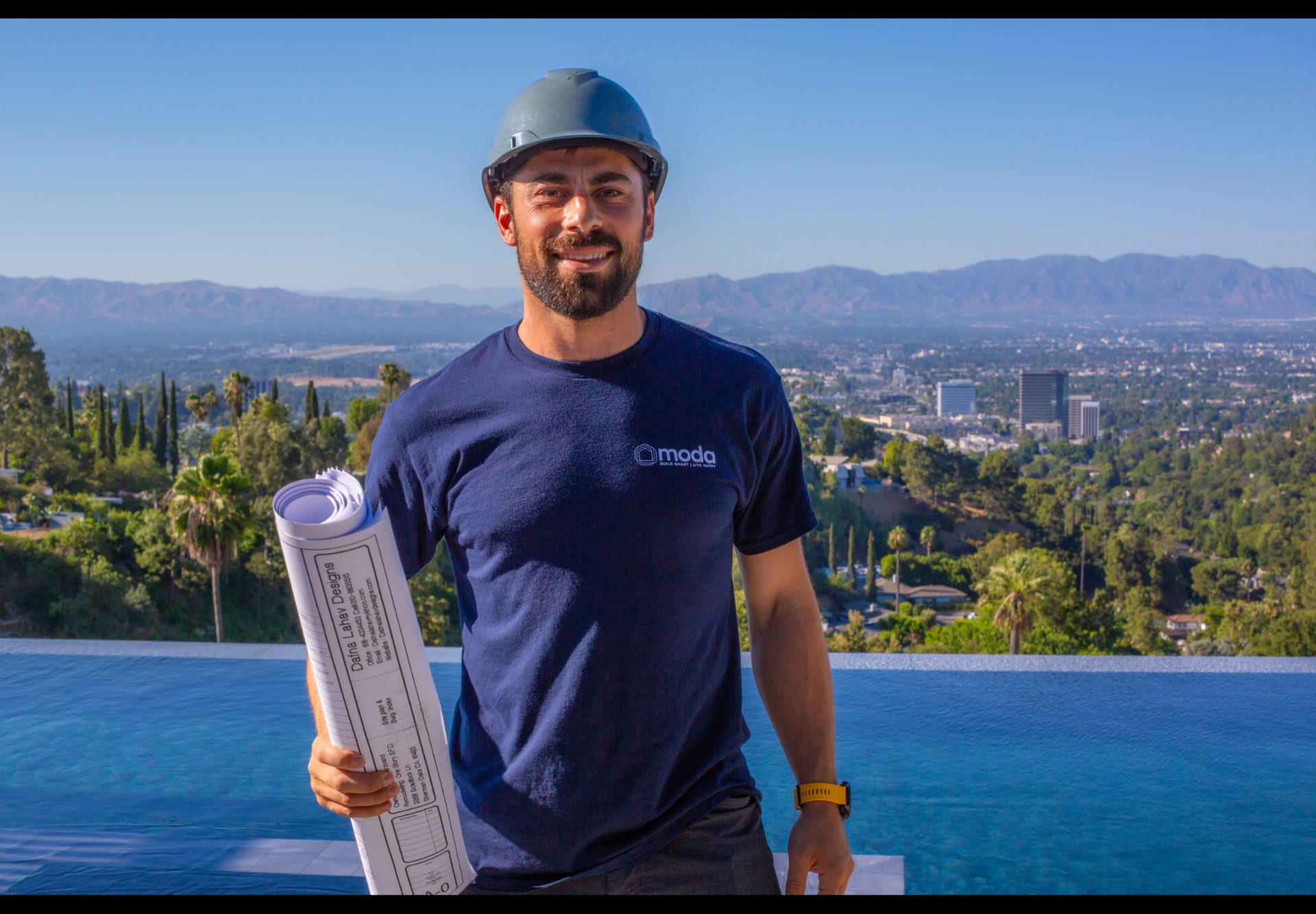
Why Retaining Walls Are Serious Business in LA
In flat states, a retaining wall is decorative. In LA, it's structural infrastructure. We build on hillsides, in canyons, and on expansive clay soils that move with every rain cycle. A failed retaining wall doesn't just look bad—it can undermine your entire property, damage your pool, and even affect your neighbor's land.
I've been called in to fix failed retaining walls on dozens of projects. The failure is almost always the same: wrong material for the soil conditions, inadequate drainage behind the wall, or no engineering oversight. Let's make sure that doesn't happen to you.
The Five Main Retaining Wall Materials
1. CMU (Concrete Masonry Unit) Block
The workhorse of LA retaining walls. CMU blocks are filled with concrete and reinforced with rebar. They're strong, relatively affordable, and can be faced with stone veneer, stucco, or tile to match any aesthetic.
- Cost: $45-80/sq ft of wall face (installed, 2026)
- Best for: Walls up to 6 feet, standard soil conditions
- Engineering: Required for walls over 3 feet in most LA jurisdictions
- Finish options: Stucco, stone veneer, tile, exposed block (painted)
- Lifespan: 50+ years with proper drainage
2. Poured-in-Place Concrete
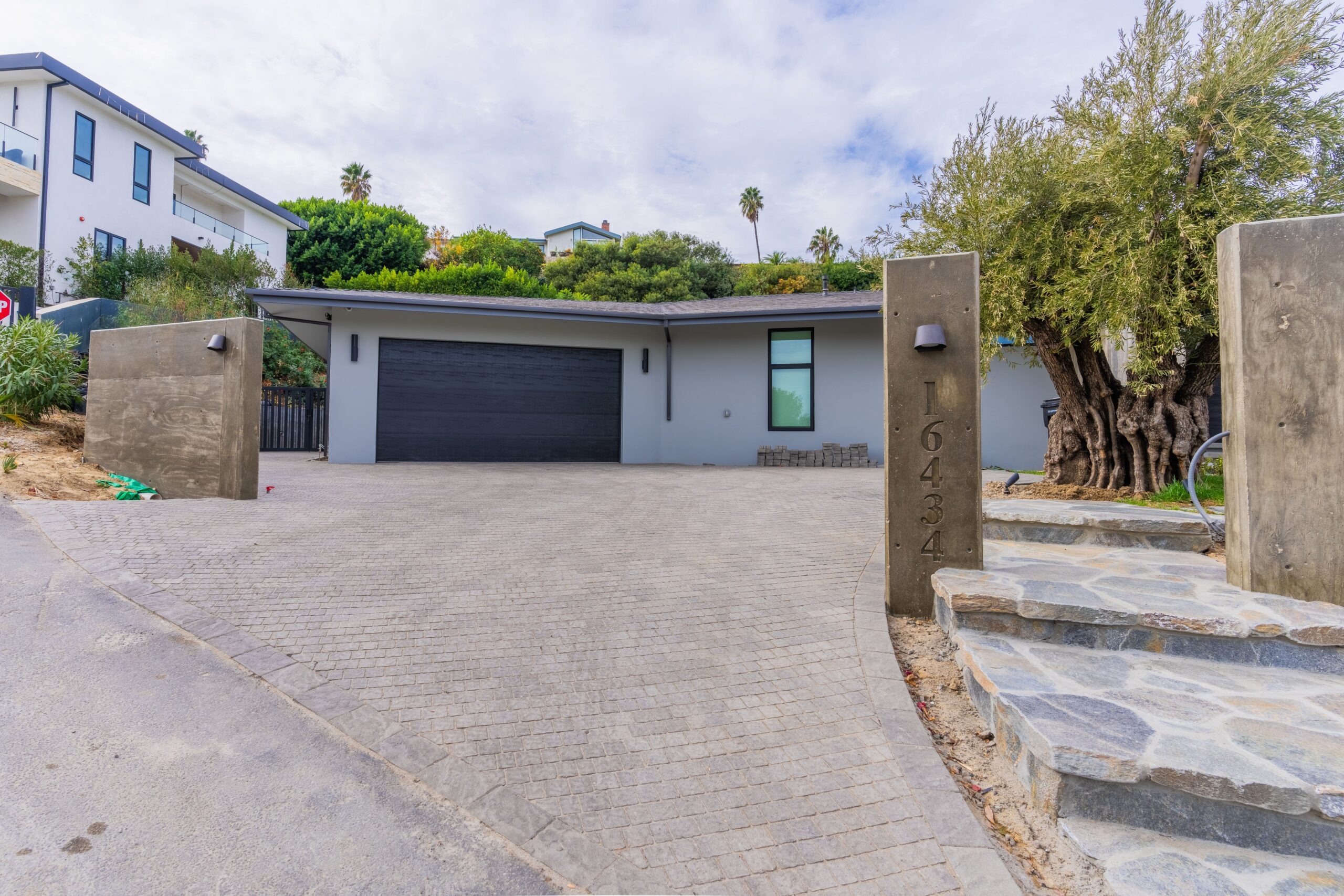
The strongest option. Poured walls are a single monolithic structure with integrated rebar. Essential for tall walls, heavy loads (like pools above), and challenging soil conditions.
- Cost: $60-120/sq ft of wall face (installed, 2026)
- Best for: Walls over 6 feet, supporting structures above, hillside lots
- Engineering: Always required—structural engineer designs the rebar schedule
- Finish options: Board-form texture, smooth, stucco, veneer
- Lifespan: 75+ years
3. Natural Stone (Stacked or Mortared)
Beautiful but limited in structural capacity. Natural stone walls work well for decorative walls and low retaining applications. I use them extensively for walls under 3 feet where aesthetics matter more than heavy structural performance.
- Cost: $55-100/sq ft of wall face (installed, 2026)
- Best for: Decorative walls, garden terracing, walls under 3 feet
- Engineering: Required for structural applications
- Popular stones: Flagstone, fieldstone, limestone, veneer over CMU
- Lifespan: 30-50+ years depending on mortar and drainage
4. Segmental Retaining Wall (SRW) Blocks
Interlocking manufactured blocks—think Allan Block, Versa-Lok, or Belgard. They're gravity walls that use their own weight and setback angle for stability. No mortar required.
- Cost: $35-65/sq ft of wall face (installed, 2026)
- Best for: Landscaping terraces, walls under 4 feet, DIY-friendly
- Engineering: Required for walls over 4 feet or surcharge loads
- Look: Manufactured—consistent but less natural than stone
- Lifespan: 30-50 years
5. Gabion Walls
Wire baskets filled with rock. Industrial aesthetic that's become trendy in modern LA landscapes. They're actually excellent retaining walls because they're flexible and permeable.
- Cost: $40-70/sq ft of wall face (installed, 2026)
- Best for: Modern aesthetics, erosion control, permeable drainage
- Engineering: Required for structural applications
- Look: Industrial-modern, raw, transparent
- Lifespan: 25-40 years (wire basket eventually corrodes)
The #1 Failure Point: Drainage
I cannot stress this enough: most retaining wall failures in LA are drainage failures. Water builds up behind the wall, hydrostatic pressure increases, and the wall either cracks, bows, or collapses. Every retaining wall we build includes:
- 4-inch perforated drain pipe at the base (French drain)
- 12+ inches of gravel backfill behind the wall
- Filter fabric to prevent soil migration into the gravel
- Weep holes every 6-8 feet for pressure relief
- Proper grading to direct surface water away
💡 Pro Tip
If a contractor quotes a retaining wall without mentioning drainage, walk away. That wall will fail.
Our hillside needed a 6-foot retaining wall to create the pool terrace. Elan's team used poured concrete with a stone veneer finish. Three rainy seasons later, not a single crack. — James & Linda P., Studio City
Frequently Asked Questions
Do I need a permit for a retaining wall in LA?
In most LA jurisdictions, walls over 3 feet (measured from bottom of footing to top of wall) require a permit and engineering. Always check with your local building department.
How much does a hillside retaining wall cost in LA?
Heavily dependent on height, material, and soil conditions. Budget $150-500 per linear foot for walls 4-8 feet tall. Add 20-40% for hillside access challenges.
Can I build a retaining wall next to my pool?
Yes, but it requires careful engineering. The wall must handle hydrostatic pressure from pool water in addition to soil loads. We coordinate with structural engineers on every pool-adjacent wall.