Walkways: The Overlooked Design Element
Walkways are the connective tissue of your outdoor space. They guide movement, create flow, and define how people experience your property. Yet most homeowners treat them as an afterthought — a narrow concrete strip from point A to point B.
After designing hundreds of walkway systems across LA, I can tell you: a well-designed walkway elevates the entire property.
Walkway Styles
Stepping Stones in Landscape
Individual stone or paver steps set in turf, gravel, or ground cover. This casual style works for garden paths and side yards. Cost: $8-20/linear ft.
Full-Coverage Paver Walks
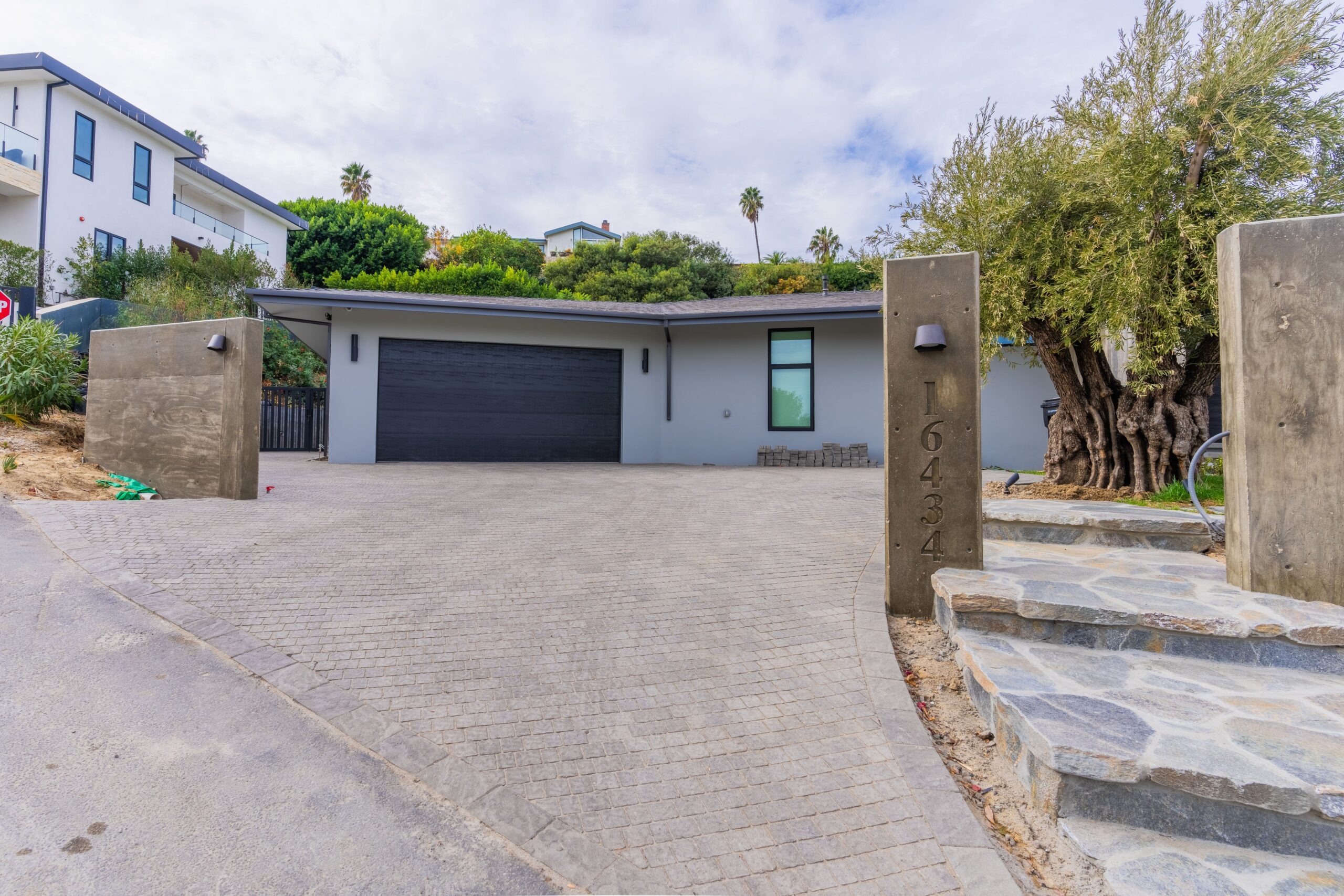
Solid paver surface with defined edges. Best for primary walkways and high-traffic areas. Creates a formal, polished look. Cost: $25-50/linear ft for 3-4 foot width.
Floating Slab Walks
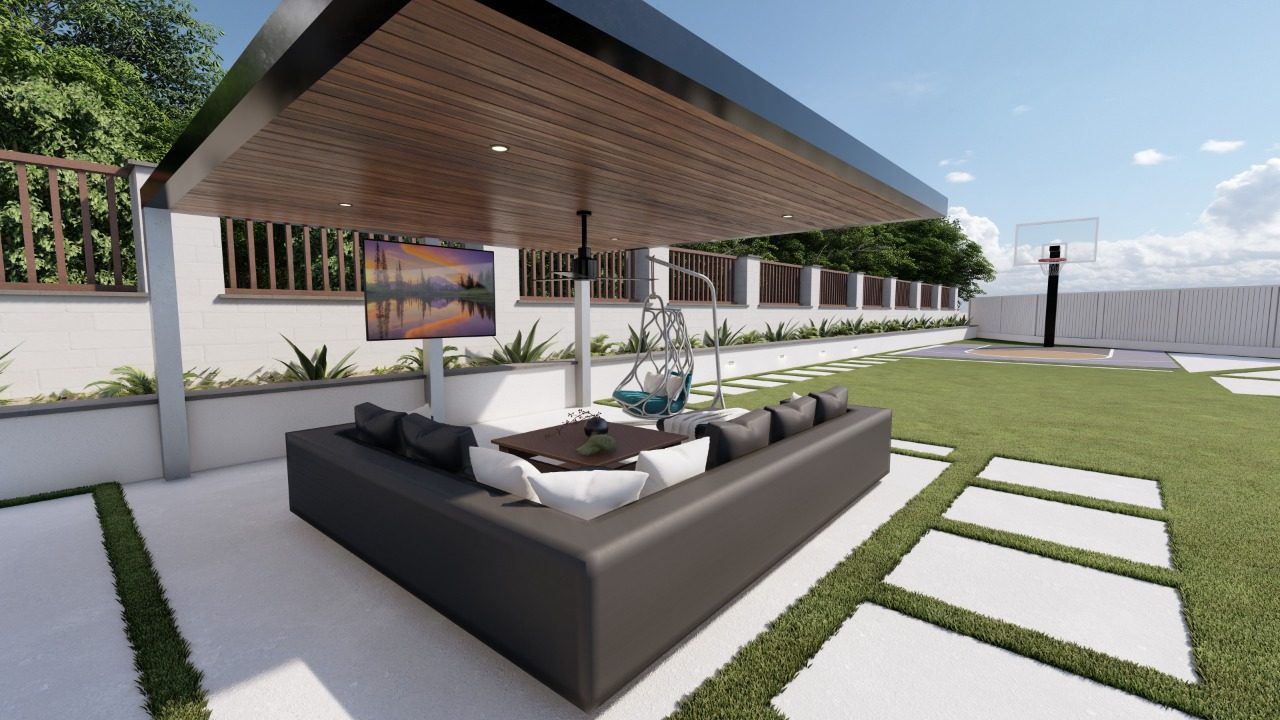
Large concrete or stone slabs set with gaps filled by gravel or ground cover. Modern, dramatic, and popular in contemporary homes. Cost: $30-60/linear ft.
Mixed-Material Paths
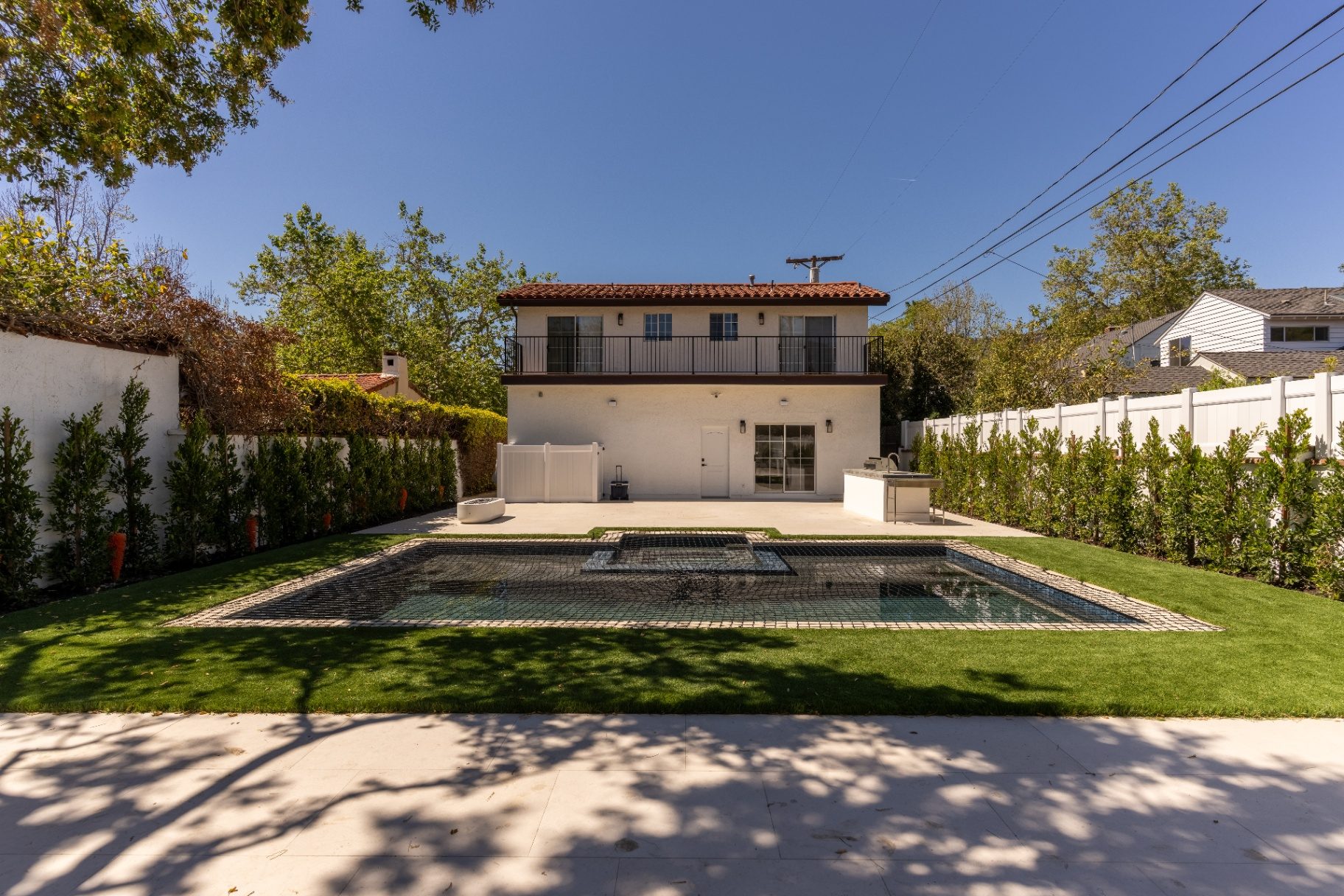
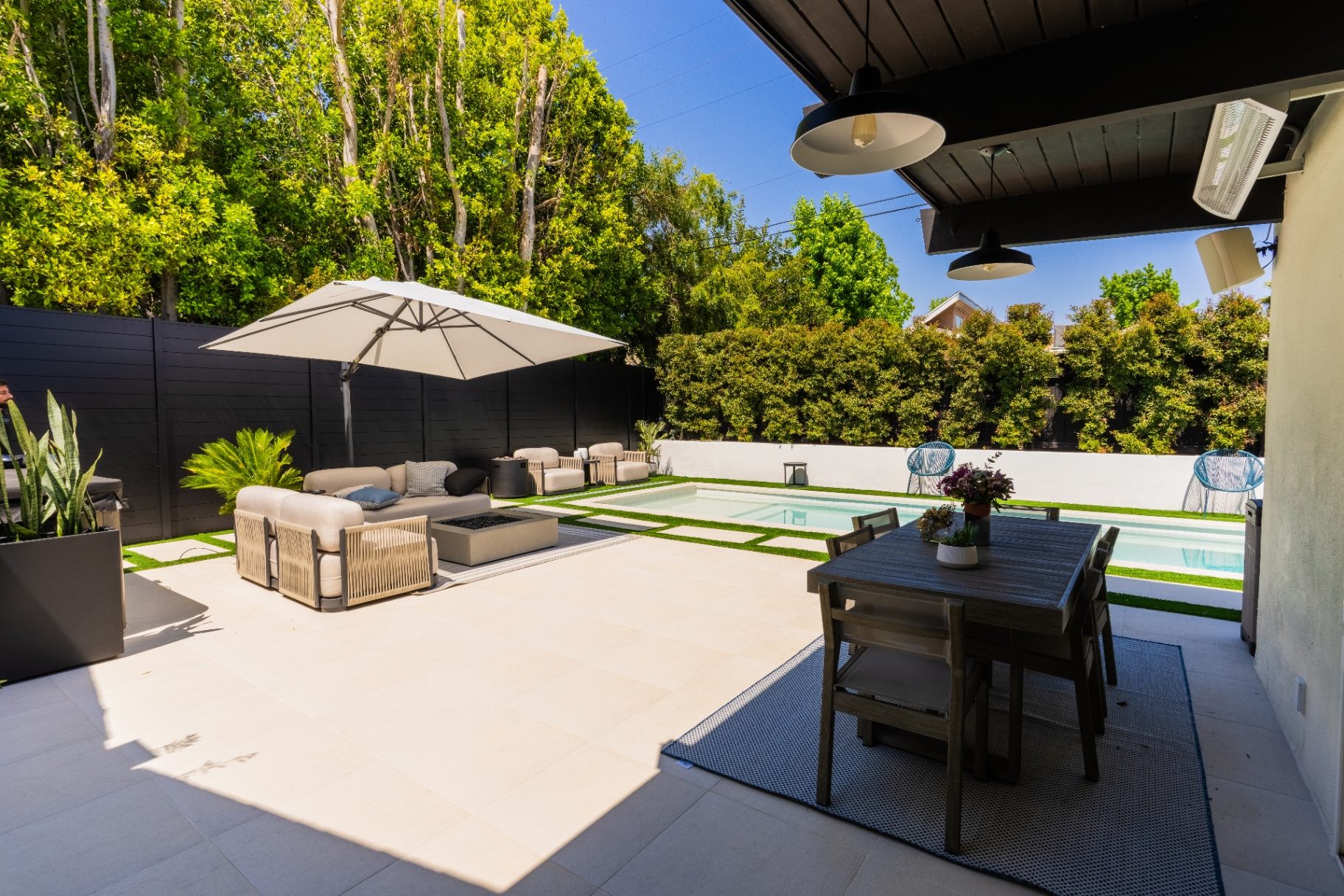
Combining pavers with decomposed granite, artificial turf strips, or pebble borders. Creates visual interest and defines the path within the landscape. Cost: $20-40/linear ft.
Design Principles for Great Walkways
- Width matters: Primary walkways should be 4-6 feet wide. Secondary paths can be 2-3 feet. Never go under 2 feet.
- Curves create interest: Gentle curves make short walks feel like journeys and reveal views progressively.
- Lighting is essential: Path lights every 6-8 feet provide safety and ambiance. Budget $100-200 per fixture.
- Edges define quality: Clean borders — stone, metal, or landscape — separate professional from DIY.
- Destination thinking: Every walkway should lead somewhere meaningful — a seating area, a view, a garden feature.
Walkway Materials for LA
- Porcelain pavers: Modern, cool underfoot, stain-resistant
- Flagstone: Natural, organic feel, each piece unique
- Concrete pavers: Versatile, durable, wide range of styles
- Decomposed granite: Budget-friendly, natural look, ADA-compliant when compacted
- River rock borders: Decorative, aids drainage, low maintenance
Common Walkway Mistakes
- Too narrow: 2-foot walkways feel claustrophobic and force single-file walking
- No lighting: Beautiful by day, dangerous by night
- Poor drainage: Water pooling on walkways creates slip hazards and damage
- Disconnected design: Walkway materials should relate to patio and driveway materials
- Ignoring the side yard: Side-yard walkways are functional opportunities, not waste space
💡 Pro Tip
For hillside properties, integrate steps and walkways together. Well-designed step sequences with landscape lighting become architectural features, not just circulation paths.
The walkway from our driveway through the side yard to the backyard used to be ugly concrete. Now it's a lit stone path through a mini garden. It changed how the whole property feels. — Nicole W., Pasadena
Frequently Asked Questions
How wide should an outdoor walkway be?
Primary walkways should be 4-6 feet wide for comfortable two-person walking. Secondary garden paths can be 2-3 feet. Never go under 2 feet.
What's the best material for outdoor walkways in LA?
Porcelain pavers for modern homes, flagstone for natural aesthetics, and concrete pavers for versatility. All perform well in Southern California's climate.
How much do outdoor walkways cost?
Walkways in LA cost $8-60/linear ft depending on material and width. A 30-foot entry walkway in pavers typically runs $750-1,800.