The Biggest Hardscape Mistake: Designing in Isolation
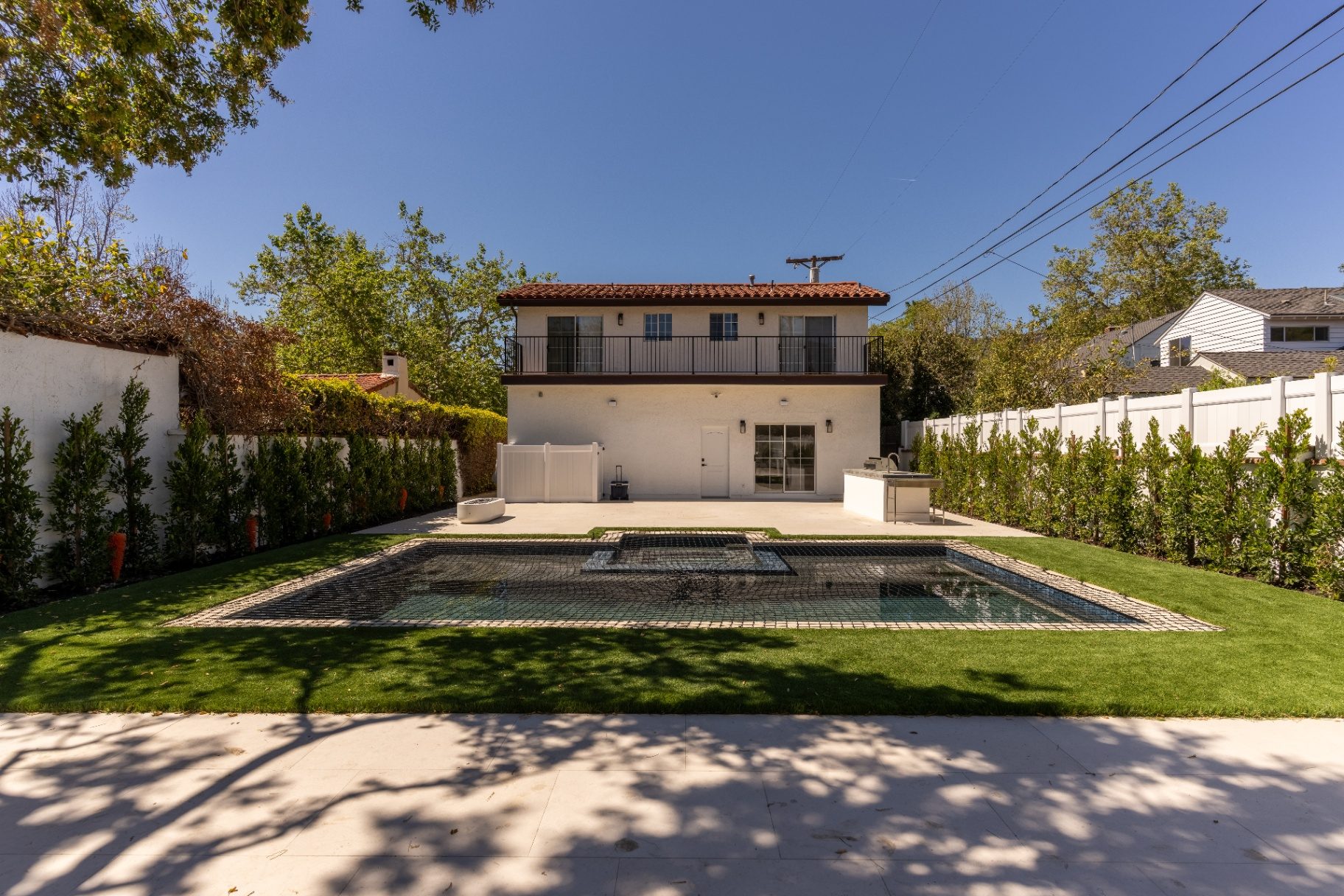
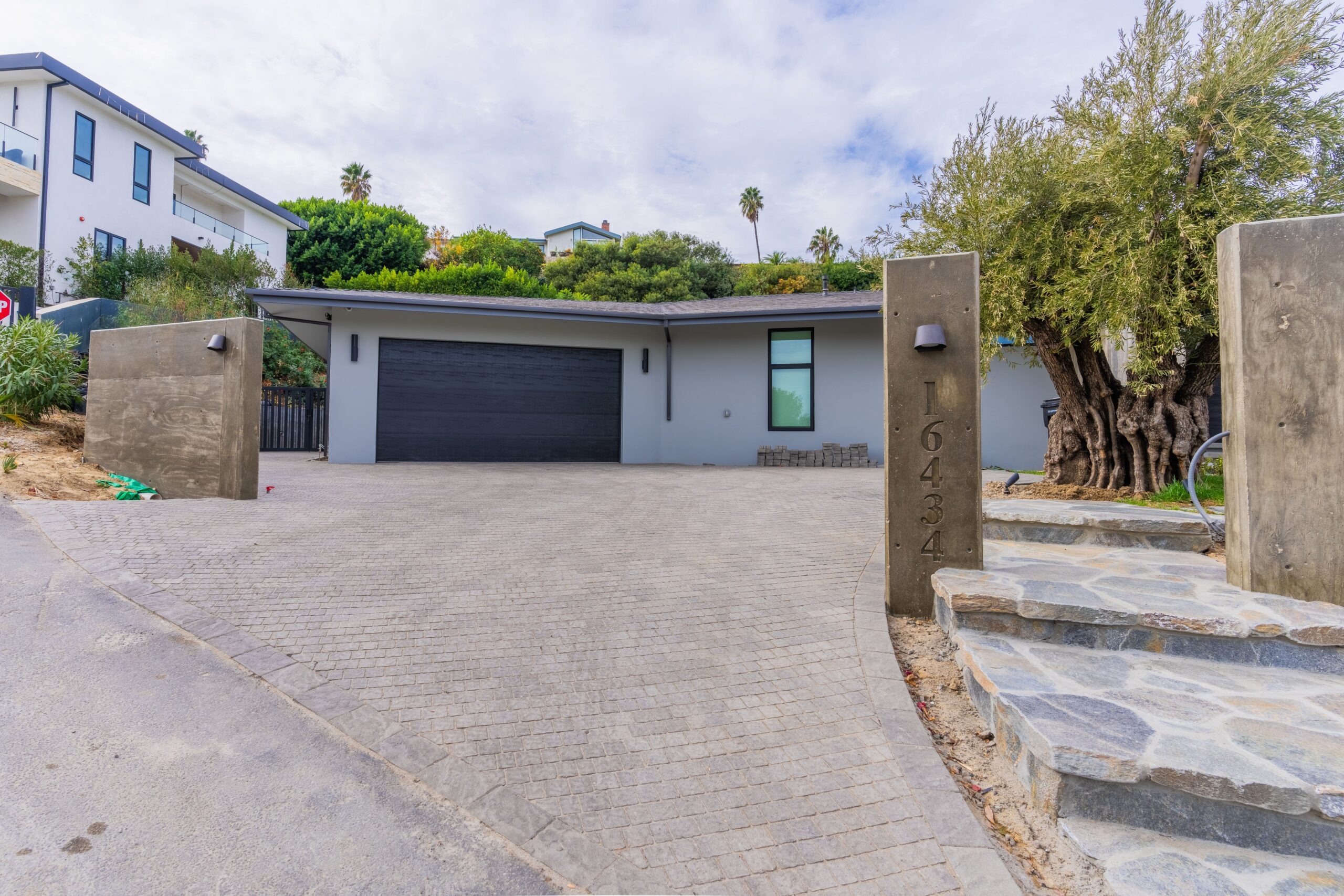
Here's what I see constantly: a homeowner remodels their driveway with one contractor, their backyard patio with another, and their pool deck with a third. Each area looks fine individually, but the property feels disconnected—like three different houses merged together.
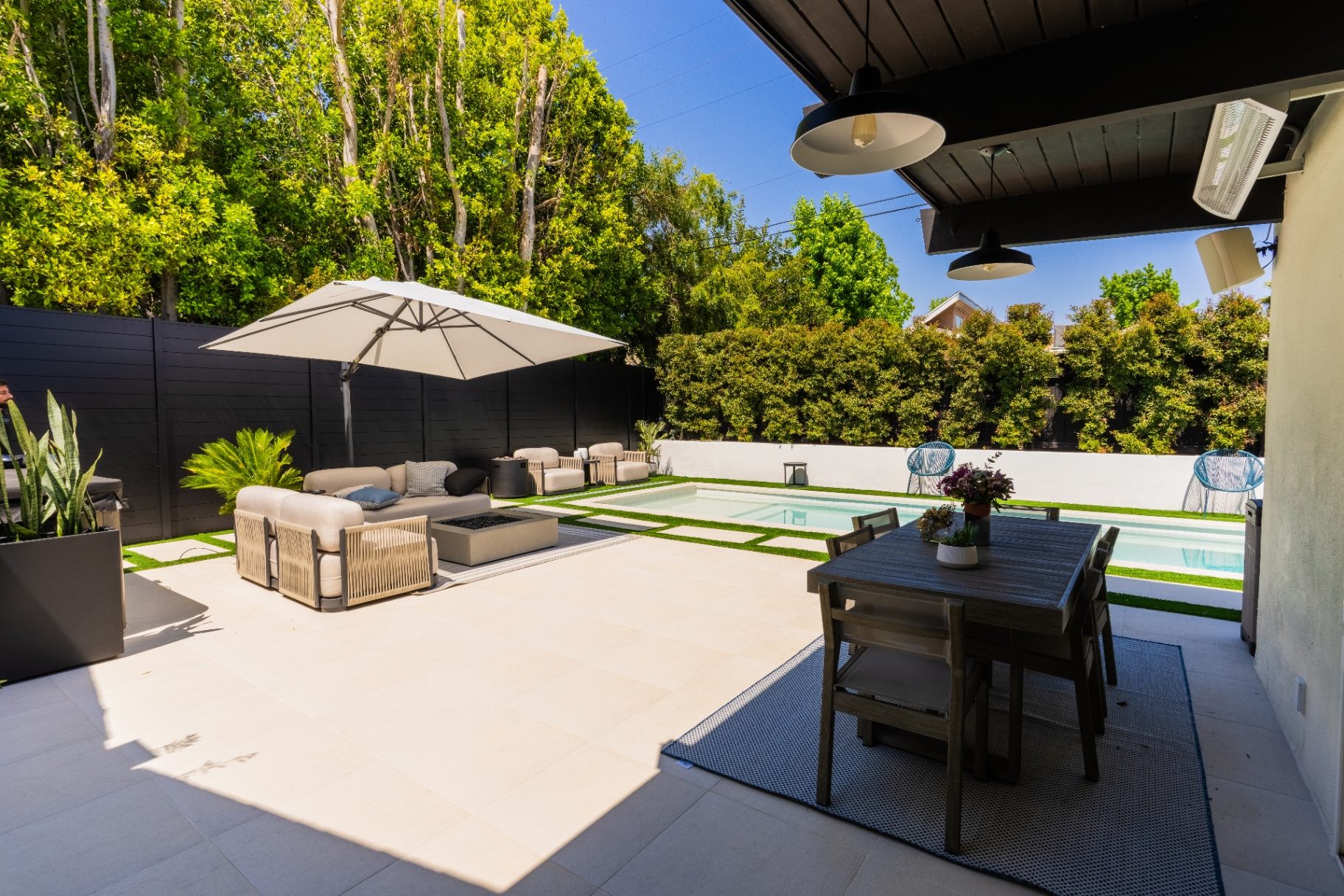
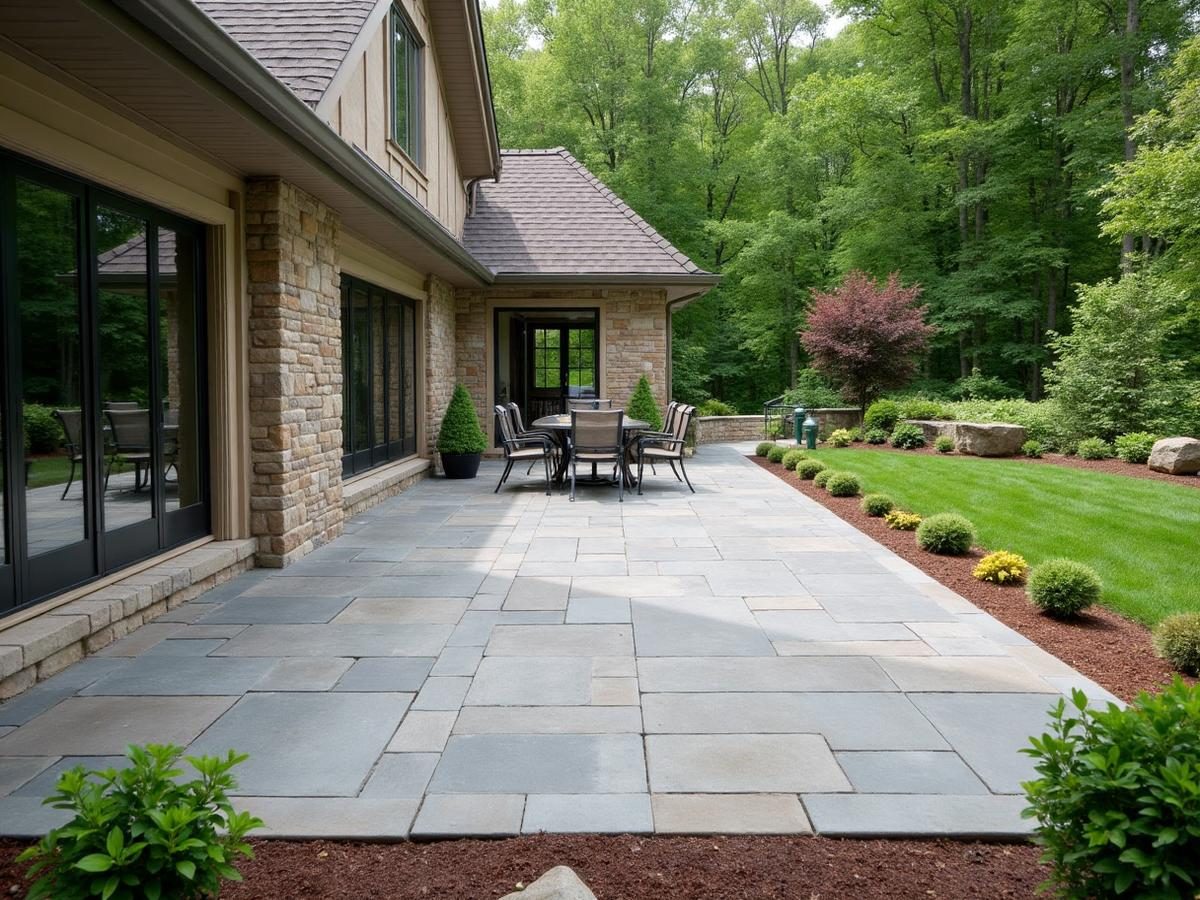
Great hardscape design treats your entire property as one cohesive canvas. The materials, colors, patterns, and transitions should flow naturally from the moment you pull into the driveway to the moment you sit down by the pool.
The Three Design Strategies
1. Same Material Throughout (Monolithic)
Use the exact same paver from driveway through walkway to backyard patio. This creates the strongest visual continuity and makes smaller properties feel larger. It's the approach I recommend for lots under 7,000 sq ft.
- Pros: Maximum visual flow, bulk material pricing, simplest design
- Cons: Can feel monotonous on larger properties, limited design interest
- Best paver choices: Large-format porcelain (24x24), travertine (French pattern)
2. Same Family, Different Formats (Graduated)
Use the same color family but change the paver size or pattern as you move through zones. For example: large-format pavers on the driveway, medium format on walkways, and a French pattern in the backyard. Same stone, different layouts.
- Pros: Creates subtle zone definition while maintaining flow
- Cons: Requires careful planning at transitions
- Best for: Medium to large properties, multiple outdoor zones
3. Complementary Materials (Zoned)
Different materials for different zones, connected by color palette and design language. For example: porcelain pavers on the driveway, travertine around the pool, and decorative concrete for the outdoor kitchen. United by a warm gray/cream color scheme.
- Pros: Each zone gets the optimal material for its function
- Cons: Requires the most design skill to execute well
- Best for: Large properties, varied functional areas, luxury projects
Transition Details That Make or Break It
The transitions between zones are where most projects fail. Here's what I insist on:
- Metal edge restraints hidden at grade level (not visible)
- Consistent joint width across all zones (typically 3/8 inch)
- Threshold strips at material changes (stone, metal, or contrasting paver band)
- Matching grout/polymeric sand color throughout
- Drainage integration at transition points (low points naturally collect water)
Real Project Example: Encino Full-Property Hardscape
One of my favorite recent projects: a 3,200 sq ft full-property hardscape in Encino. We used:
- Driveway (600 sq ft): 24x24 porcelain pavers in 'Ivory' — handles vehicle traffic, oil-resistant
- Front walkway (120 sq ft): Same porcelain, herringbone pattern — signals the transition from functional to decorative
- Side yard (200 sq ft): Same porcelain, running bond — narrow space, clean lines
- Back patio (800 sq ft): Travertine French pattern in 'Walnut' — warm, organic feel for lounging
- Pool deck (1,200 sq ft): Same travertine, running bond — cool underfoot, consistent with patio
- Outdoor kitchen pad (280 sq ft): Porcelain in matching 'Walnut' tone — stain-resistant for cooking area
Total project: $112,000. Two materials, one color palette, six distinct zones that flow seamlessly. The homeowner's exact words: 'It feels like a resort.'
💡 Pro Tip
Plan your entire property hardscape before starting any single zone. Even if you're phasing the project over 2-3 years, having the master plan ensures everything connects when it's finished.
We originally just wanted a new driveway. Elan showed us how connecting it to the backyard would transform the whole property. He was right. — The Nakamura Family, Encino
Frequently Asked Questions
Can I phase my hardscape project over multiple years?
Absolutely. We design a master plan and execute in phases. The key is choosing materials that will be available in 2-3 years—we avoid trendy or limited-run products for phased projects.
How do you handle the transition between driveway and sidewalk?
We work with city requirements for the public sidewalk transition. Typically, a saw-cut expansion joint separates private hardscape from public concrete, and we match the grade precisely.
Does full-property hardscape increase home value?
Significantly. Cohesive hardscape from curb to backyard can add 10-15% to perceived home value. It's one of the first things real estate agents photograph.