Understanding Infinity and Zero-Edge Pools
The 'disappearing edge' look is one of the most dramatic features you can add to a pool. But the terms get confusing—infinity edge, vanishing edge, zero edge, negative edge—what do they all mean, and what do they cost?
Terminology Clarified
These terms are often used interchangeably, but there are subtle differences:
Infinity/Vanishing Edge
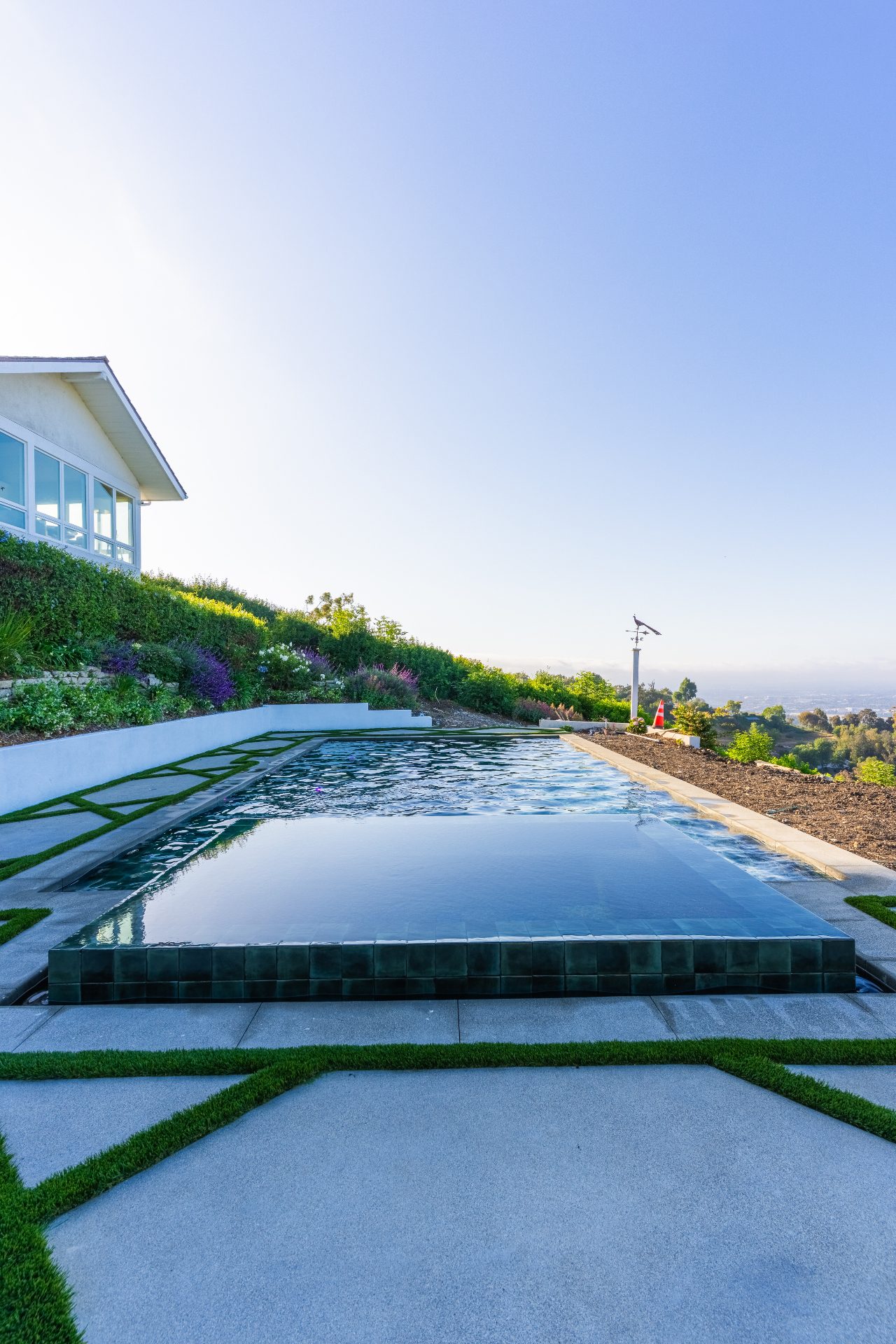
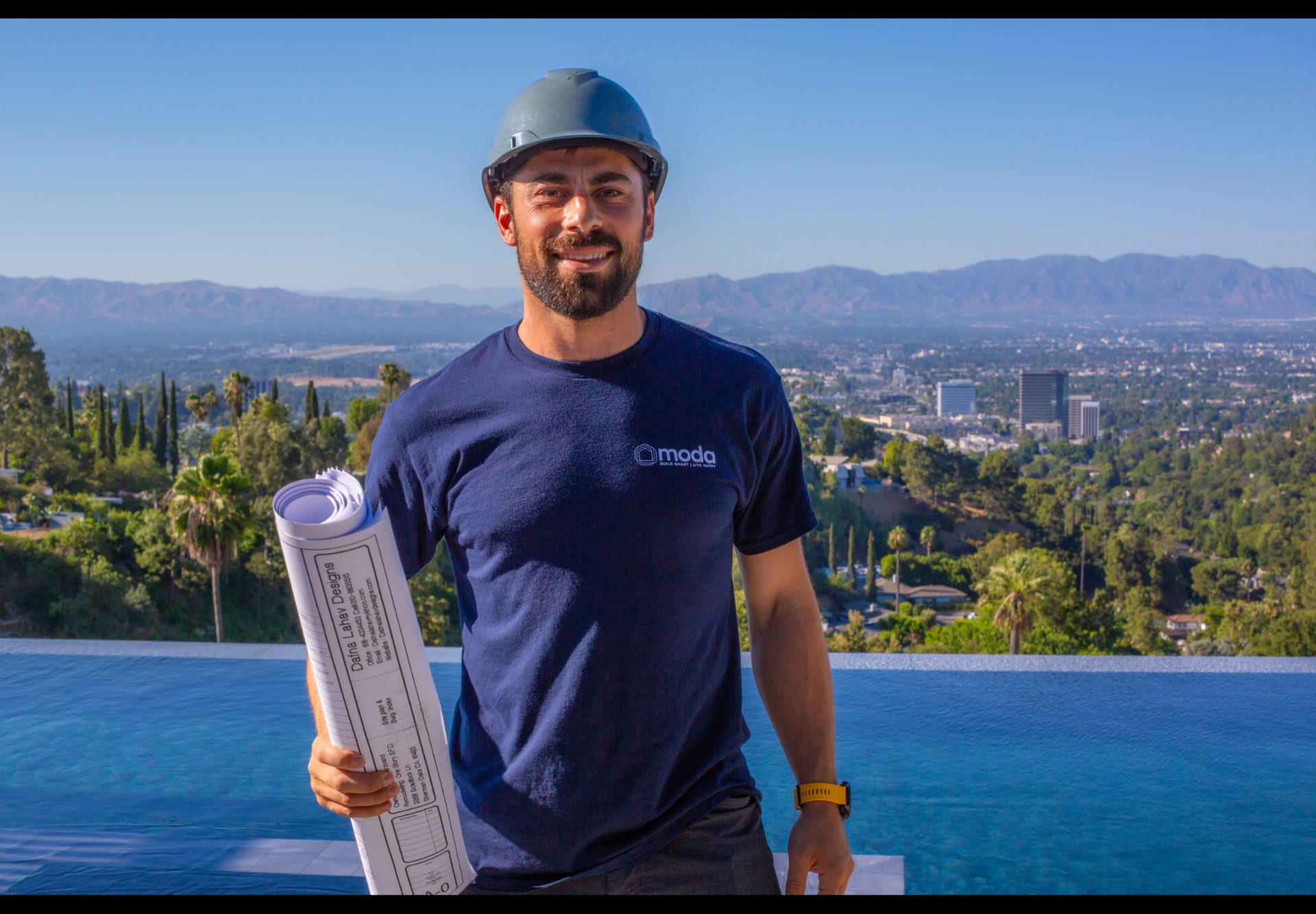
Water flows over one or more edges into a catch basin below, then recirculates. The effect makes the water appear to extend to the horizon—especially effective on hillside properties with views.
Zero Edge/Knife Edge
A variation where water flows over all four edges into a perimeter trough. Creates a mirror-like effect where the water surface is level with the surrounding deck. More architectural, less about views.
Negative Edge
Another term for infinity edge—the edge that water flows over. The 'negative' refers to water disappearing over the edge.
Cost Premium
Infinity edges add significant cost:
- Single infinity edge: 20-30% premium over standard pool
- Multiple infinity edges: 30-50% premium
- Full zero-edge/knife-edge: 40-60% premium
A $100,000 standard pool becomes $120,000-$160,000 with infinity features. The engineering, catch basin, additional equipment, and precision construction all add cost.
Engineering Requirements
What makes infinity pools more complex:
- Catch basin construction (essentially a second smaller pool)
- Larger pump and plumbing (more water movement)
- Surge tank for water level consistency
- Precise leveling (any unevenness is visible)
- Structural engineering for edge conditions
💡 Pro Tip
Infinity edges are most effective when there's a view beyond the edge. Without a view, the effect is less dramatic—consider whether the premium is worth it.
Maintenance Considerations
Infinity pools require more attention:
- More water loss through evaporation (constantly exposed surface)
- Catch basin cleaning (debris collects here)
- Auto-fill system recommended
- Pump runs longer/harder (higher energy costs)
When Infinity Pools Make Sense
- Hillside properties with views (the classic application)
- Modern architectural homes (matches the aesthetic)
- Resort-style backyards (maximum drama)
- Properties where the pool will be a focal point
When Standard Edges Are Better
- Flat lots without views (less impact)
- Budget-conscious projects (premium adds up)
- Traditional home styles (may look out of place)
- Properties with significant wind exposure (more evaporation)
The infinity edge overlooking the valley was the whole reason we bought this property. The pool delivers exactly what we envisioned. — Daniel B.
Frequently Asked Questions
How much more does an infinity pool cost?
Expect 20-40% more than a standard pool. A $100,000 pool becomes $120,000-$140,000 with a single infinity edge.
What's the difference between infinity and zero-edge pools?
Infinity edges flow water over one side (best for views). Zero-edge flows water over all sides into a perimeter trough (mirror-like effect).
Do infinity pools require more maintenance?
Yes—more water loss through evaporation, catch basin cleaning, and longer pump run times. Budget for higher operating costs.
Can any property have an infinity pool?
Technically yes, but they're most effective on hillside properties with views. Flat lots can have infinity pools but the visual impact is reduced.