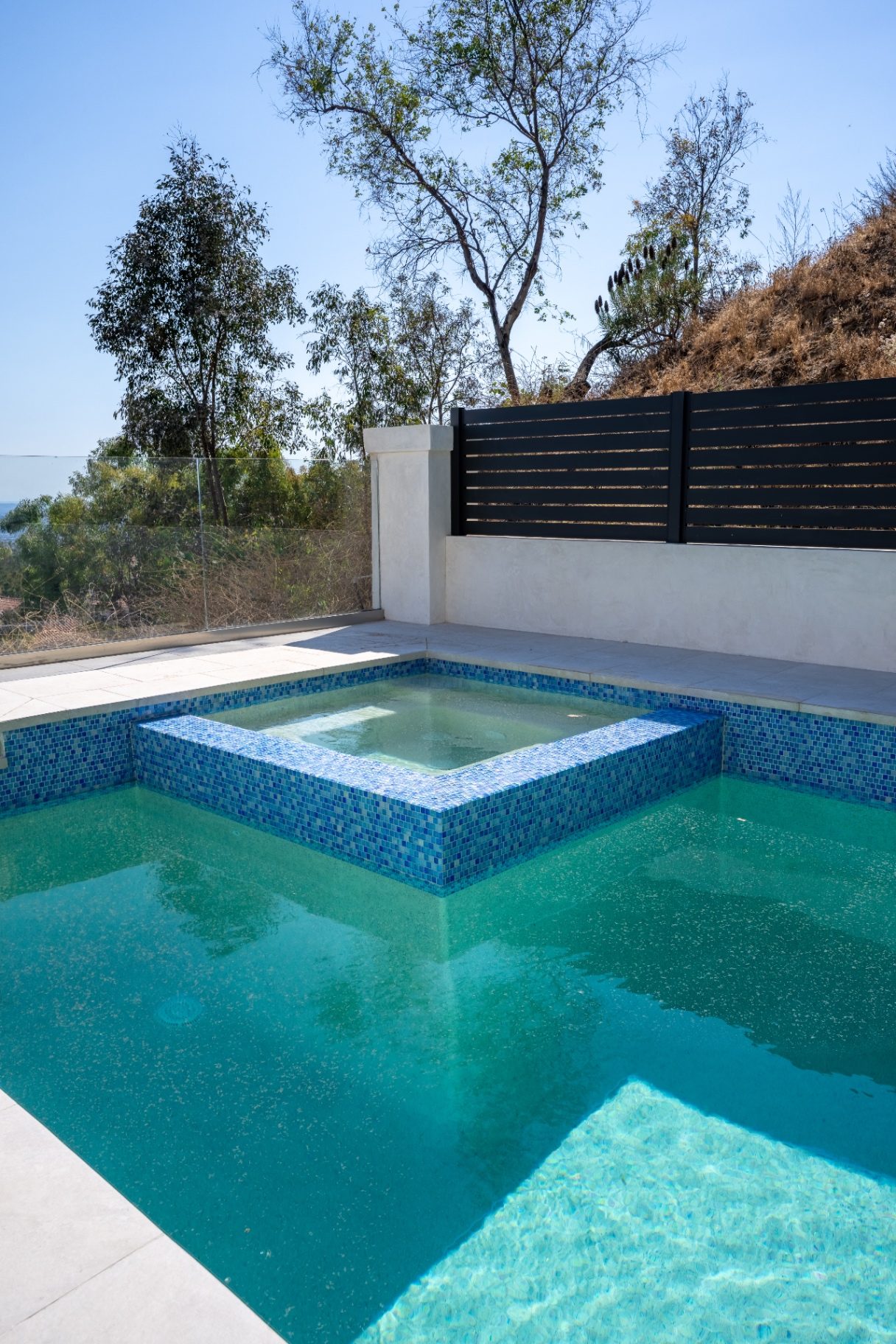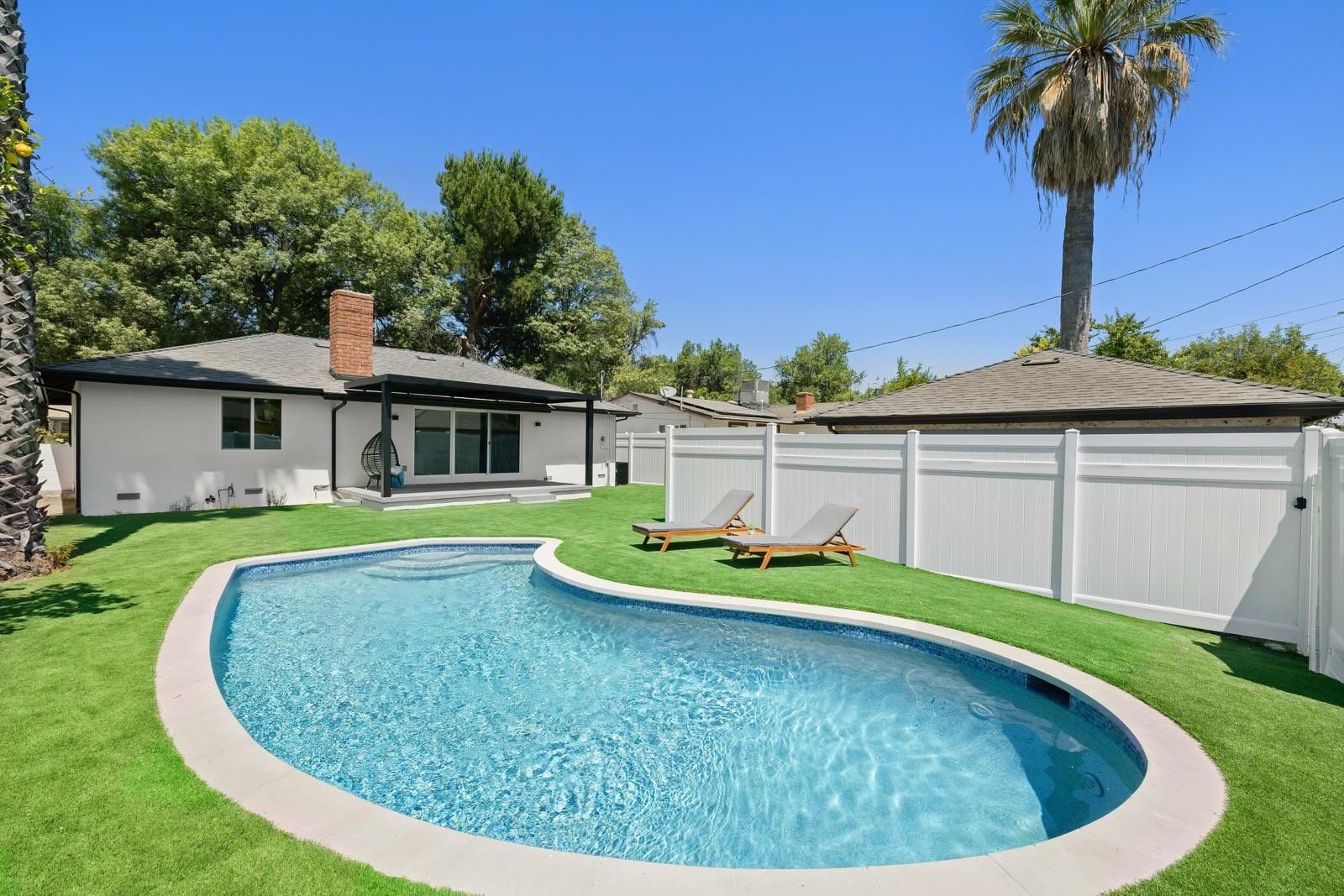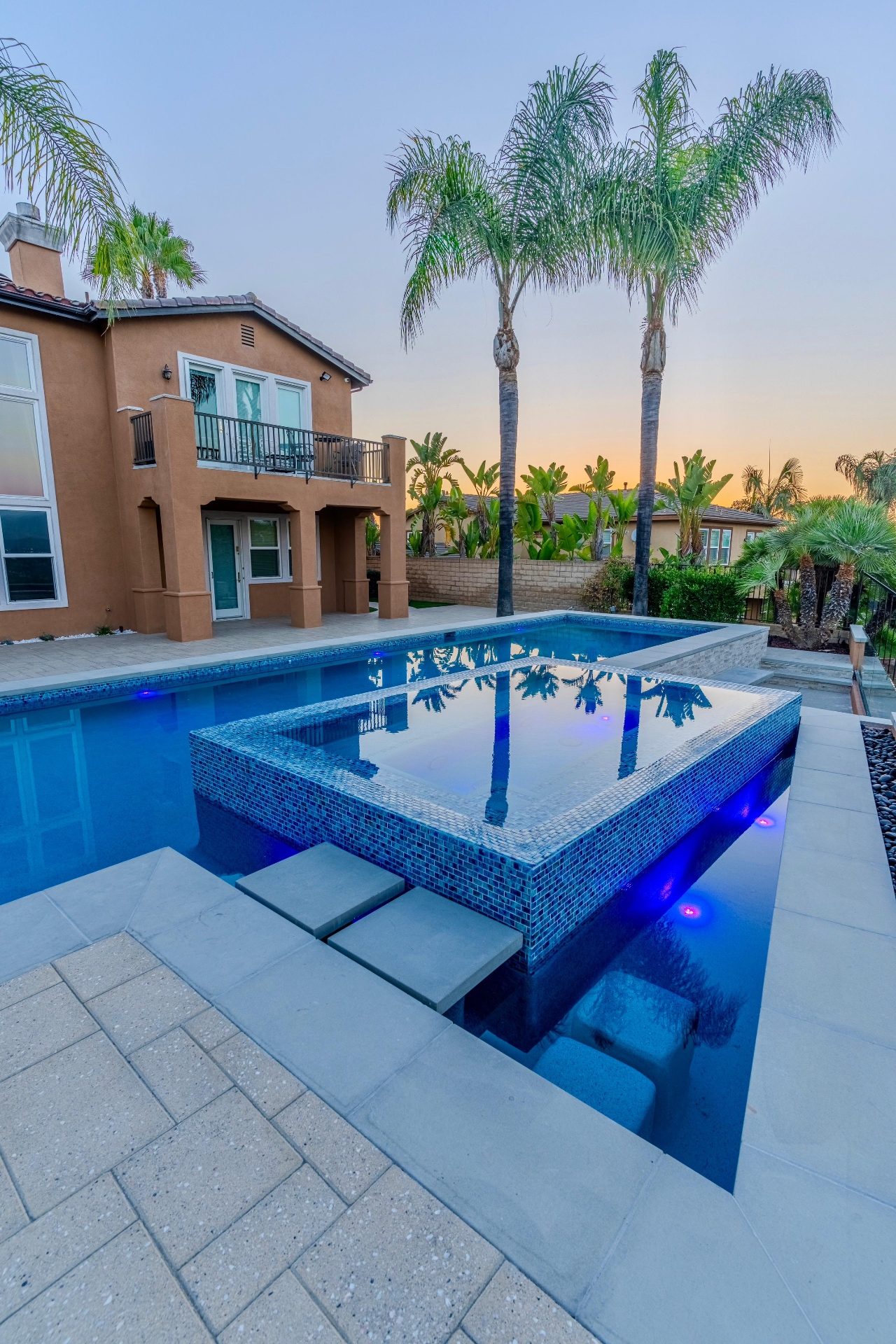
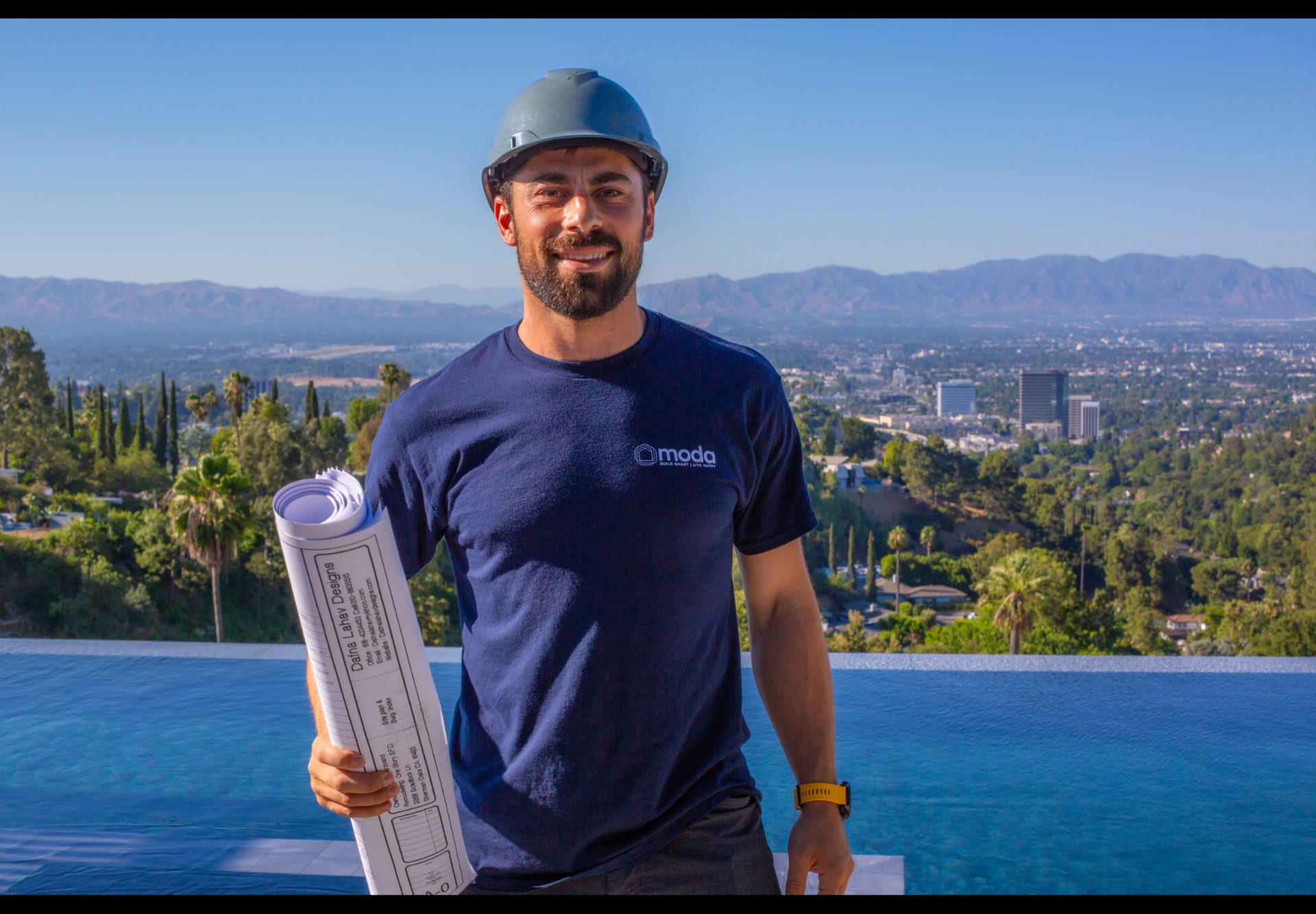
The Reality of Hillside Pool Construction
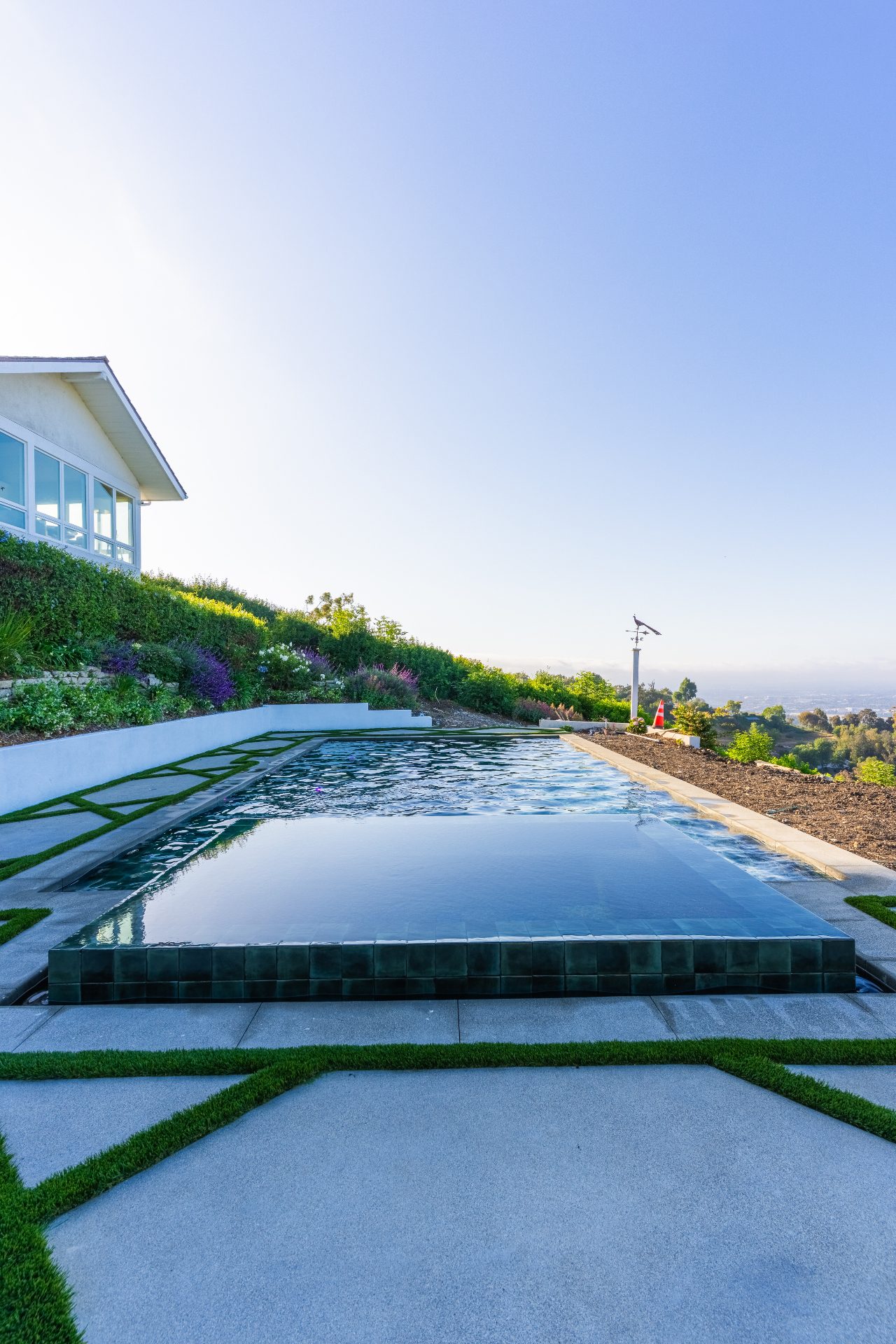
Some of the most spectacular pools in LA are on hillside properties—infinity edges overlooking the city, dramatic elevation changes, views that take your breath away. But hillside pools come with significant complexity and cost. Let me explain what's involved.
Why Hillside Pools Cost More
A hillside pool involves challenges that flat lots don't have:
- Complex engineering (soils, geology, structural)
- Caissons or deep piers for support
- Retaining walls to manage grade changes
- More difficult access for equipment
- Longer permit timelines (multiple department reviews)
- Specialized construction techniques
All of this adds cost. A pool that would cost $100,000 on a flat lot might cost $150,000-$200,000 on a hillside. The exact premium depends on your specific site.
Engineering Requirements
Soils Report ($1,500-$3,500)
Required for all hillside properties. Determines soil bearing capacity, expansion potential, and groundwater conditions. Informs structural design.
Geology Report ($2,000-$4,000)
Often required in addition to soils. Maps bedrock, identifies fault zones, evaluates landslide potential. Some hillside areas require this by code.
Structural Engineering ($3,000-$8,000)
More complex than flat lot engineering. Must design for lateral earth pressure, potential soil movement, and the forces created by grade changes.
Caissons: The Hidden Cost
Many hillside pools require caissons—deep concrete piers drilled into stable soil or bedrock. They provide the foundation that surface soils can't.
Caisson costs vary dramatically based on depth and number:
- Moderate hillside: 4-6 caissons at 15-25 feet: $15,000-$30,000
- Steep hillside: 8-12 caissons at 25-40 feet: $40,000-$80,000
- Extreme conditions: $80,000-$150,000+
Until you have engineering, you won't know exactly what's required. This is why hillside projects often need larger contingencies.
💡 Pro Tip
Get soils and geology reports early. These inform engineering requirements and give you realistic cost expectations before you're committed.
Permit Challenges
Hillside properties face longer permit timelines:
- Building & Safety review: 4-8 weeks
- Grading Division review: 4-8 weeks
- Bureau of Engineering review: 4-6 weeks
- Additional rounds of corrections: 2-4 weeks each
These often happen sequentially, not simultaneously. Total permit timeline: 6-12+ months is common for hillside pools.
Design Opportunities
The challenges come with rewards. Hillside pools allow:
- Infinity edges that disappear into views
- Dramatic elevation changes between pool and house
- Multi-level outdoor living spaces
- Views that flat lots simply can't achieve
The extra investment often creates pools that are truly spectacular—the kind of backyards that appear in magazines.
Is It Worth It?
Hillside pools make sense when:
- You bought the property for the views (maximize them)
- You're planning to stay long-term (amortize the cost)
- Your budget can absorb the premium without strain
- A standard pool wouldn't work with your grades anyway
They're harder to justify when you're stretching financially just to add a pool. The premium is significant, and unexpected costs are more common.
Yes, it cost more. But sitting in our infinity pool looking at the city lights, we'd do it again. — Daniel B.
Watch the Transformation
Frequently Asked Questions
How much more do hillside pools cost?
Expect 30-100% more than flat lot pools. A $100,000 flat lot pool might be $150,000-$200,000 on a hillside.
What are caissons and why do I need them?
Caissons are deep concrete piers drilled into stable soil. They support the pool when surface soils aren't strong enough, common on hillsides.
How long does hillside pool permitting take?
6-12+ months is common due to multiple department reviews (Building, Grading, Engineering) that often happen sequentially.
Are infinity pools possible on any hillside?
Most hillsides can support infinity pools with proper engineering. The question is cost—steeper grades and more challenging soils increase expense significantly.