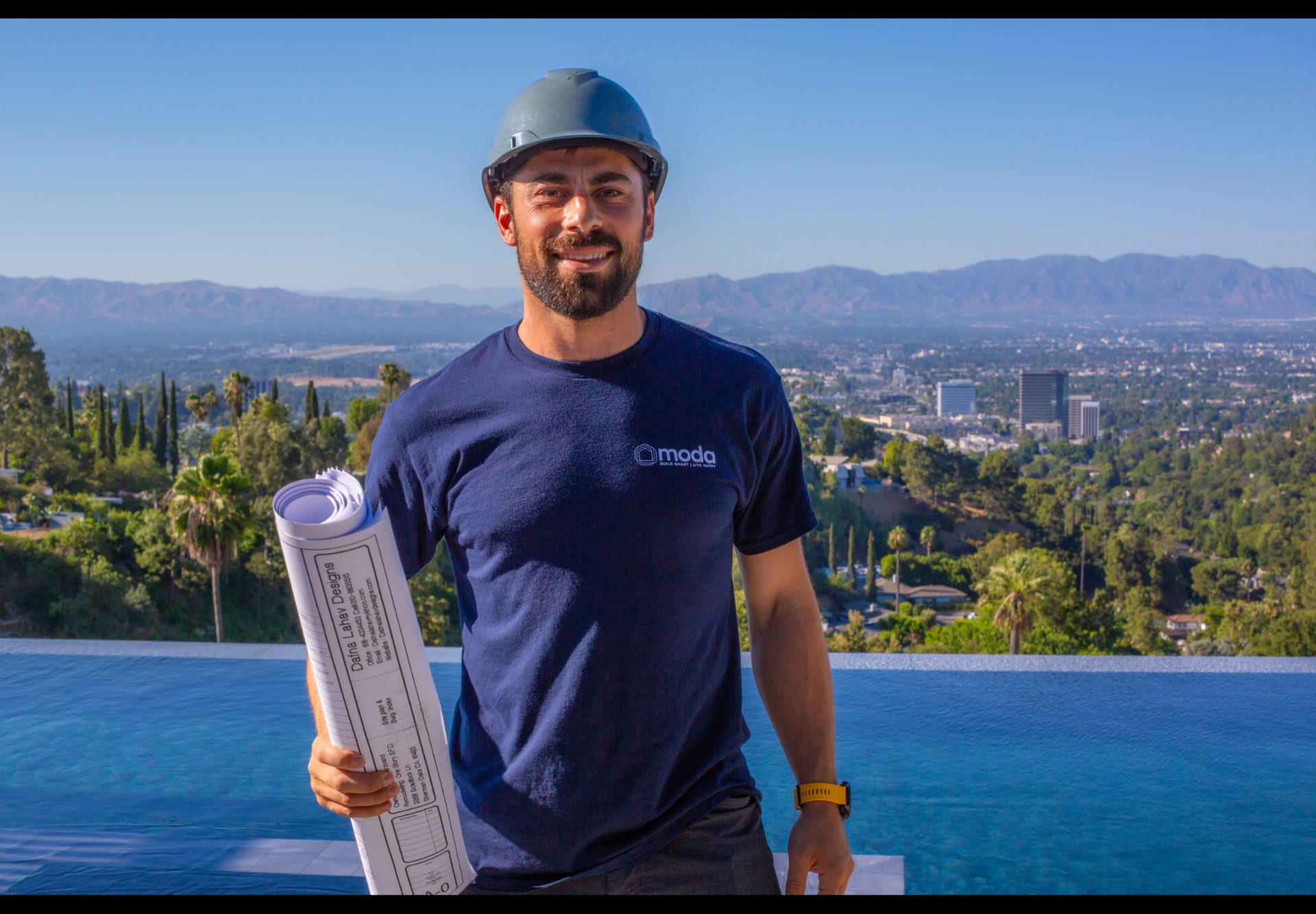
Understanding Why Bids Are So Different
You've gotten three quotes for your backyard remodel. One is $80,000. One is $120,000. One is $160,000. They all looked at the same backyard. What's going on?
This is one of the most common frustrations homeowners face. Let me pull back the curtain on what actually drives pricing—and what the differences really mean.
The Obvious Factors
You already know these affect cost:
- Size (bigger = more expensive)
- Materials (premium vs. standard)
- Features (more features = higher cost)
- Complexity (custom vs. basic)
But if all three contractors are bidding on the same features, why the massive difference? Here's what you might not be seeing.
Hidden Factor #1: Site Access
Can a bobcat get to your backyard? Or does everything need to be carried by hand?
The difference is enormous:
- Good access: Equipment moves materials quickly
- Limited access: Everything hand-carried = 2-3x labor hours
- Very limited access: May require crane work ($5,000-20,000)
One contractor might know a way to get equipment in that another doesn't. Or one might be pricing for full hand labor while another is assuming equipment access.
Hidden Factor #2: Scope Interpretation
Unless your request was extremely specific, contractors are making assumptions. Those assumptions vary:
- What type of paver base? (4" vs 6" compacted gravel)
- How many pool lights? (2 vs 4 vs 8)
- What electrical capacity? (50 amp vs 100 amp sub-panel)
- Include permits and engineering? (often excluded in low bids)
- What grade of plaster or tile? (huge variance here)
The low bid might be using minimal specifications. The high bid might be over-spec'ing. Neither is necessarily wrong—but you need to compare apples to apples.
Hidden Factor #3: Soil Conditions
Los Angeles has notoriously varied soil. In the same neighborhood, one lot might be sandy and easy to dig while the next is clay and rock.
- Easy soil: Excavation goes quickly
- Clay soil: Slower digging, more equipment wear
- Rock: May require jackhammering or blasting ($10,000-30,000+)
Contractors handle this uncertainty differently. Some include a soil allowance. Some exclude rock entirely. Some price worst-case. Ask how each bid handles unexpected conditions.
Hidden Factor #4: Engineering Requirements
Hillside properties or pools near structures often need engineering that flat-lot pools don't:
- Structural engineering: $2,000-10,000
- Soils reports: $1,500-4,000
- Caissons or piles: $15,000-50,000+
- Grading plans: $3,000-8,000
Some contractors include these costs. Others exclude them. A $100,000 bid that excludes $30,000 in engineering isn't really $100,000.
💡 Pro Tip
Always ask what's excluded. The lowest bid often has the longest exclusion list.
Hidden Factor #5: Business Overhead
Contractors have different overhead structures:
- Licensed and insured vs. operating informally
- Full-time employees vs. day labor
- Office staff and project management vs. owner-operated
- Warranty reserves vs. hoping nothing breaks
A fully legitimate operation with insurance, worker's comp, project managers, and warranty reserves costs more to run than a pickup truck operation. That cost shows up in bids.
Hidden Factor #6: Quality and Method
Two pools that look similar can be built very differently:
- Steel schedule: Minimum code vs. overbuilt
- Shotcrete thickness: 6" vs 8" vs 10"
- Plumbing: PVC vs. copper vs. flex lines
- Deck prep: Minimal base vs. engineered substrate
These choices affect longevity and aren't visible once installed. Cheaper isn't always worse, but it's worth understanding where costs differ.
How to Compare Bids Fairly
- Create a detailed scope document yourself before soliciting bids
- Ask for itemized proposals, not lump sums
- Request a list of exclusions from each contractor
- Clarify material specifications (brands, thicknesses, grades)
- Ask how change orders are handled
- Understand each contractor's approach to unexpected conditions
The Bottom Line
Price differences usually reflect real differences—in scope, assumptions, methods, or business structure. The lowest bid rarely includes everything the highest bid includes.
I'm not saying always take the highest bid. I'm saying understand what you're comparing. A $120,000 all-in bid with no exclusions may be a better deal than a $90,000 bid with $40,000 in exclusions and allowances.
The first quote was $30,000 cheaper but excluded engineering, permits, and had a rock clause that could add $20K. When we added everything up, Moda's quote was actually the best value. — Daniel M., Tarzana
Frequently Asked Questions
Why are backyard remodel bids so different?
Bids vary due to site access, scope interpretation, soil assumptions, engineering requirements, overhead structure, and quality/methods. Rarely are contractors bidding identical specifications.
Should I always take the lowest bid?
Not necessarily. Understand what each bid includes and excludes. The lowest bid often has the most exclusions or makes optimistic assumptions.
How do I compare contractor quotes fairly?
Request itemized proposals with identical specifications. Ask for exclusion lists. Clarify material grades and methods. Compare total cost including contingencies.
What exclusions should I watch for?
Common exclusions include permits, engineering, rock/soil contingencies, electrical upgrades, and specific material allowances. Always ask for a complete exclusions list.