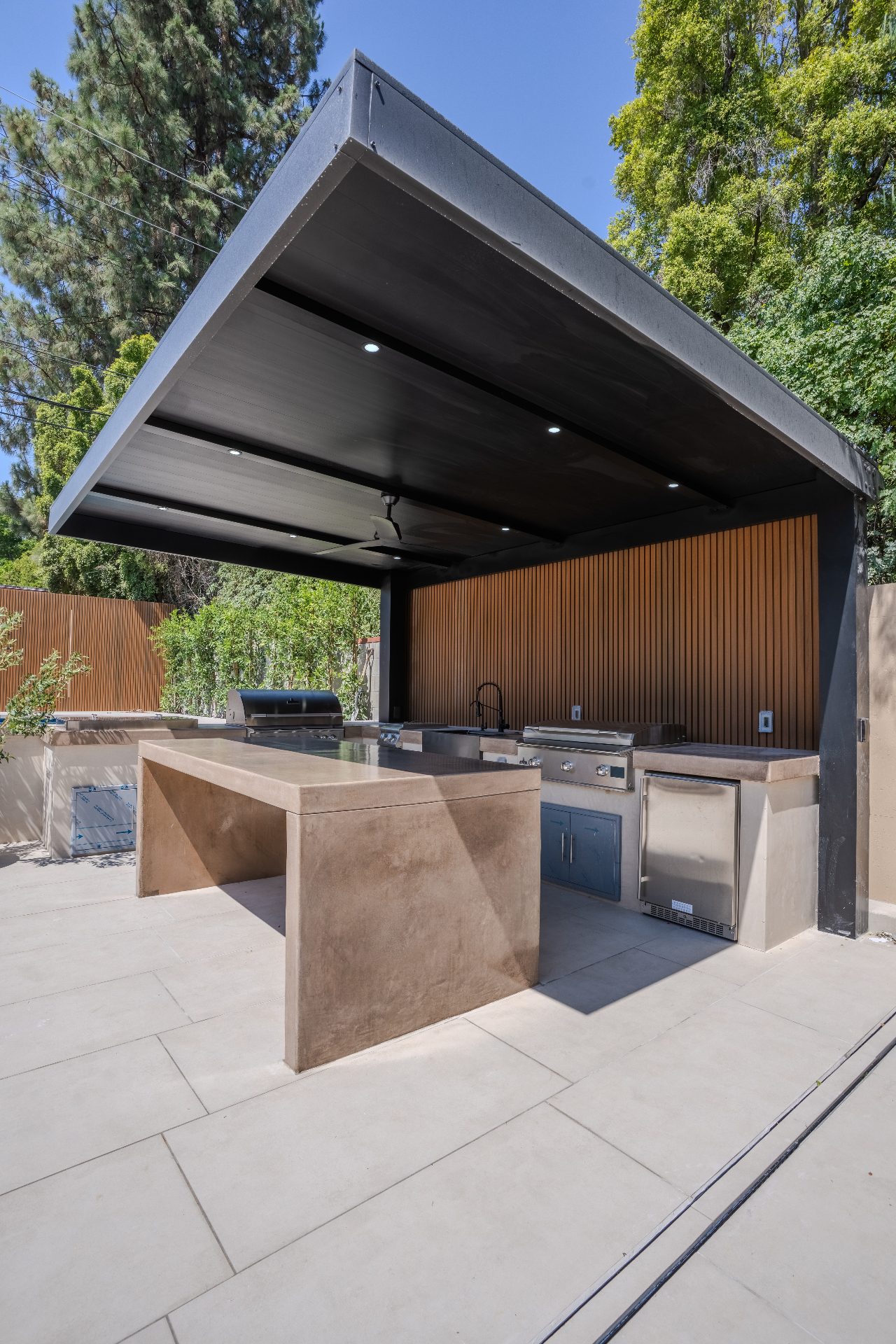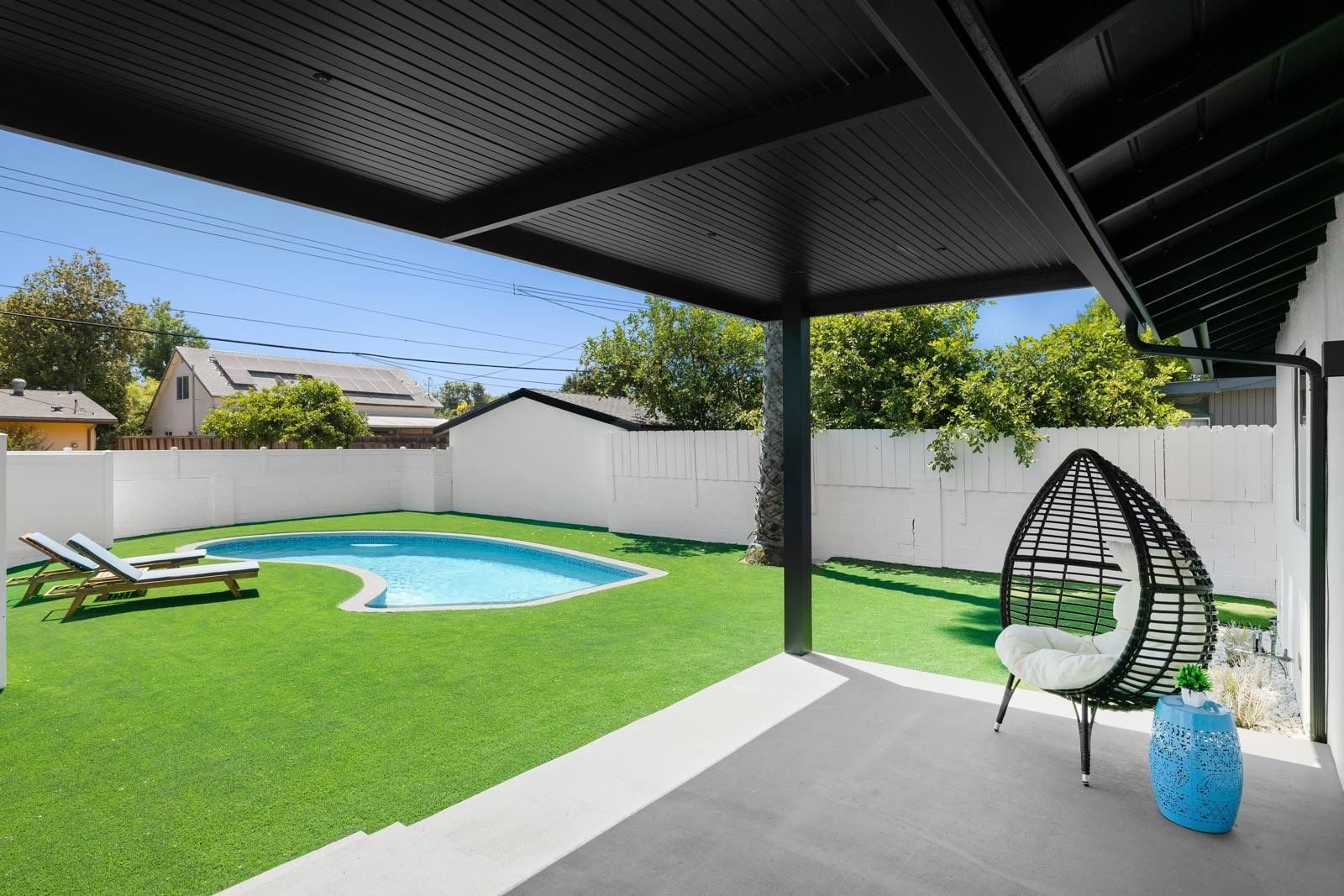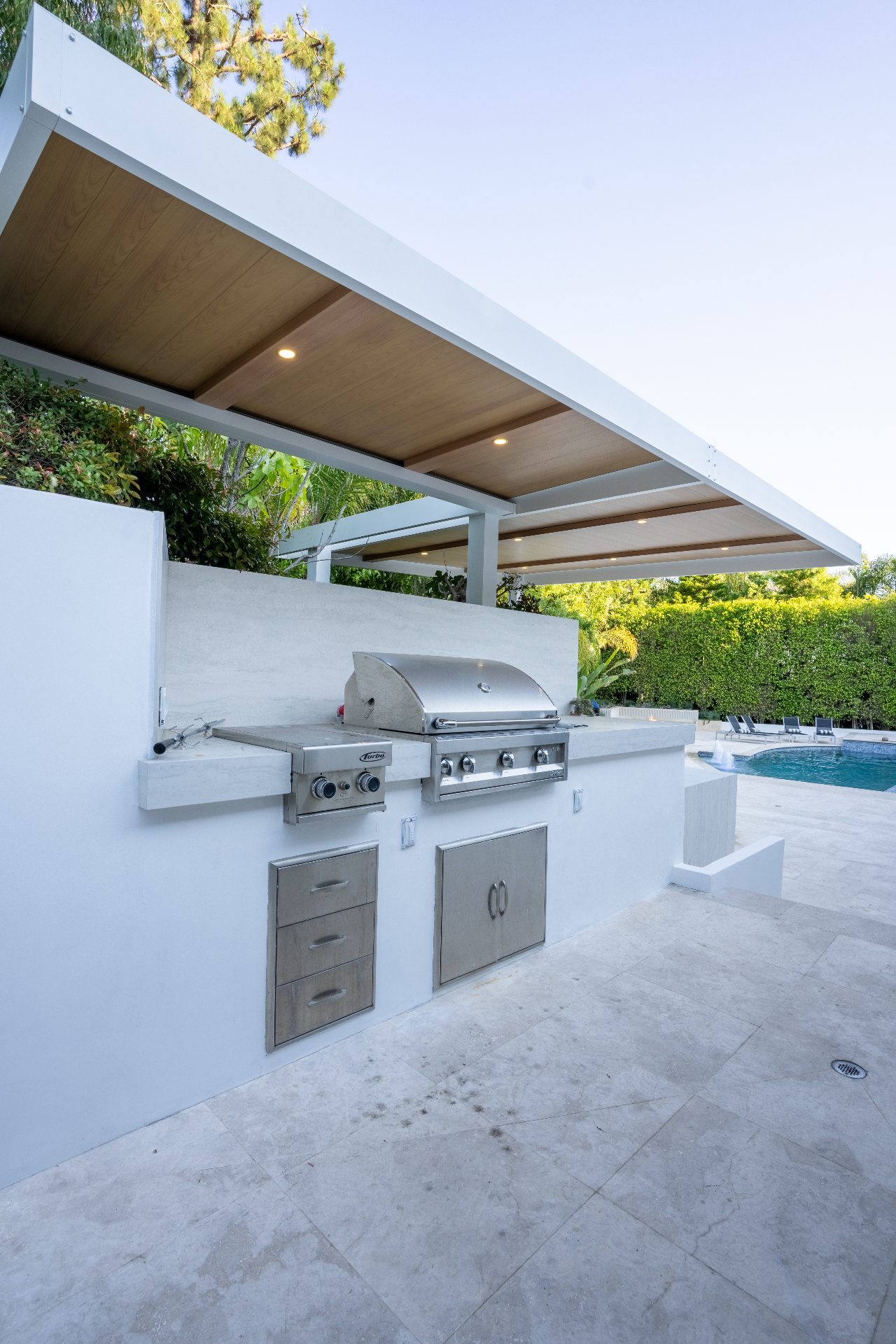
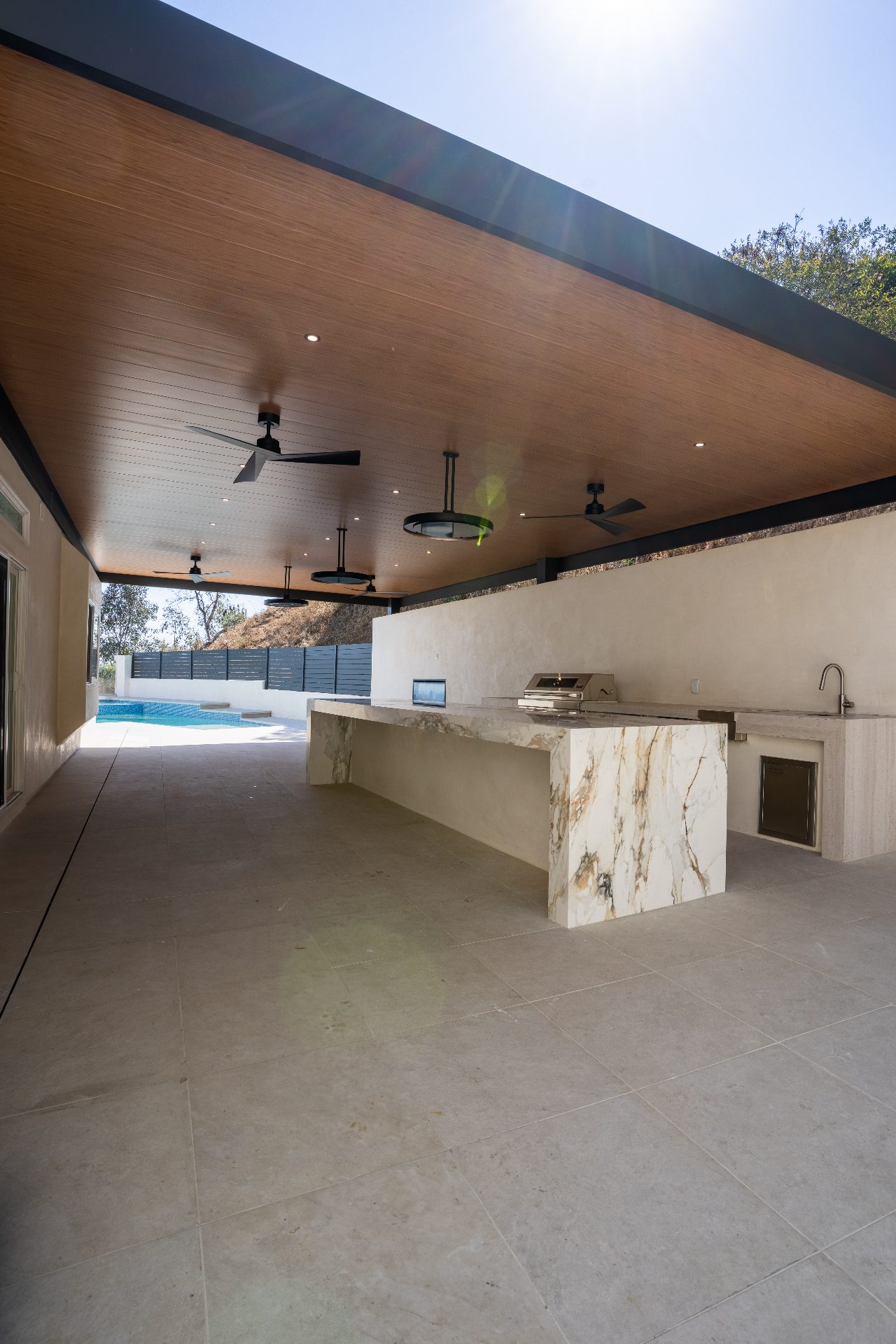
Prefab or Custom: The Outdoor Kitchen Decision
When clients ask about outdoor kitchens, one of the first questions is whether to go prefab or custom. Both have their place—but understanding the trade-offs helps you make the right choice for your situation.
Cost Comparison
Prefabricated Islands
- Entry-level prefab: $5,000-$8,000 (grill + cabinet only)
- Mid-range prefab: $8,000-$15,000 (grill + storage + side burner)
- Premium prefab: $15,000-$25,000 (complete island with refrigerator)
Custom-Built Islands
- Basic custom: $20,000-$30,000
- Mid-range custom: $30,000-$50,000
- Premium custom: $50,000-$100,000+
At first glance, prefab seems like obvious savings. But the math gets more complicated when you factor in what's actually included.
What Prefab Gets You
Advantages
- Lower upfront cost
- Faster installation (often 1-2 days)
- Known quantities—what you see is what you get
- Can be moved if you relocate
- Warranty typically covers the entire unit
Limitations
- Fixed sizes—may not fit your space optimally
- Limited finish options
- Appliance choices restricted to what fits
- No customization for unique needs
- Lower resale value than built-in
- Utilities (gas, electric) still need professional installation
What Custom Gets You
Advantages
- Exact fit for your space—no wasted areas
- Choose any appliances you want
- Match your home's architecture and style
- Add unique features (wine fridge, kegerator, smoker)
- Built-in durability—permanent construction
- Higher home value and resale appeal
Limitations
- Higher cost
- Longer timeline (weeks vs days)
- Permanent installation—can't relocate
- Requires permits and inspections
- More decisions required during design
💡 Pro Tip
Prefab islands often don't include countertops or utility connections. When you add those costs, the gap with custom shrinks significantly.
When to Choose Prefab
Prefab makes sense when:
- Budget is under $15,000 all-in
- You're renting or might move within 5 years
- The space is straightforward with standard dimensions
- You want something functional now, not later
- The outdoor kitchen is secondary to other backyard priorities
When to Choose Custom
Custom is the better choice when:
- You're investing in your forever home
- Your space has unusual dimensions or constraints
- You want specific appliances or features
- The outdoor kitchen is a major use area
- Matching your home's aesthetic matters
- Resale value is a consideration
The Hybrid Approach
Some homeowners start with a quality prefab island and plan to upgrade to custom later. This can work if:
- You choose a prefab that can be resold later
- The prefab placement doesn't block future custom installation
- You understand you're essentially paying twice
For most clients, I recommend making the custom investment upfront if you can. The total cost ends up similar, and you avoid the hassle of temporary solutions.
Quality Considerations
Not all prefab is created equal. Look for:
- Welded stainless steel frames (not aluminum)
- Quality appliances (not store brands)
- Proper venting for the grill
- Removable panels for appliance access
- Warranty that covers both structure and appliances
We started looking at prefab to save money. Once we realized we'd still need $5,000 in utility work plus countertops, the custom option made more sense. And it fits our space perfectly. — Jennifer B., Sherman Oaks
Watch the Transformation
Frequently Asked Questions
How much cheaper is prefab than custom outdoor kitchens?
Prefab islands cost $5,000-$25,000 vs $20,000-$100,000+ for custom. But prefab often excludes countertops and utilities, narrowing the gap.
Can prefab outdoor kitchens look high-end?
Premium prefab options can look impressive, but they won't match the fit and finish of true custom construction, especially in matching your home's architecture.
How long does each option take to install?
Prefab installs in 1-2 days after delivery. Custom kitchens take 2-6 weeks for construction plus 2-4 weeks for permits.
Which adds more value to a home?
Custom outdoor kitchens add more resale value because they're permanent improvements that match the home. Prefab is considered personal property.