Cantilever Pergolas: Worth the Investment?
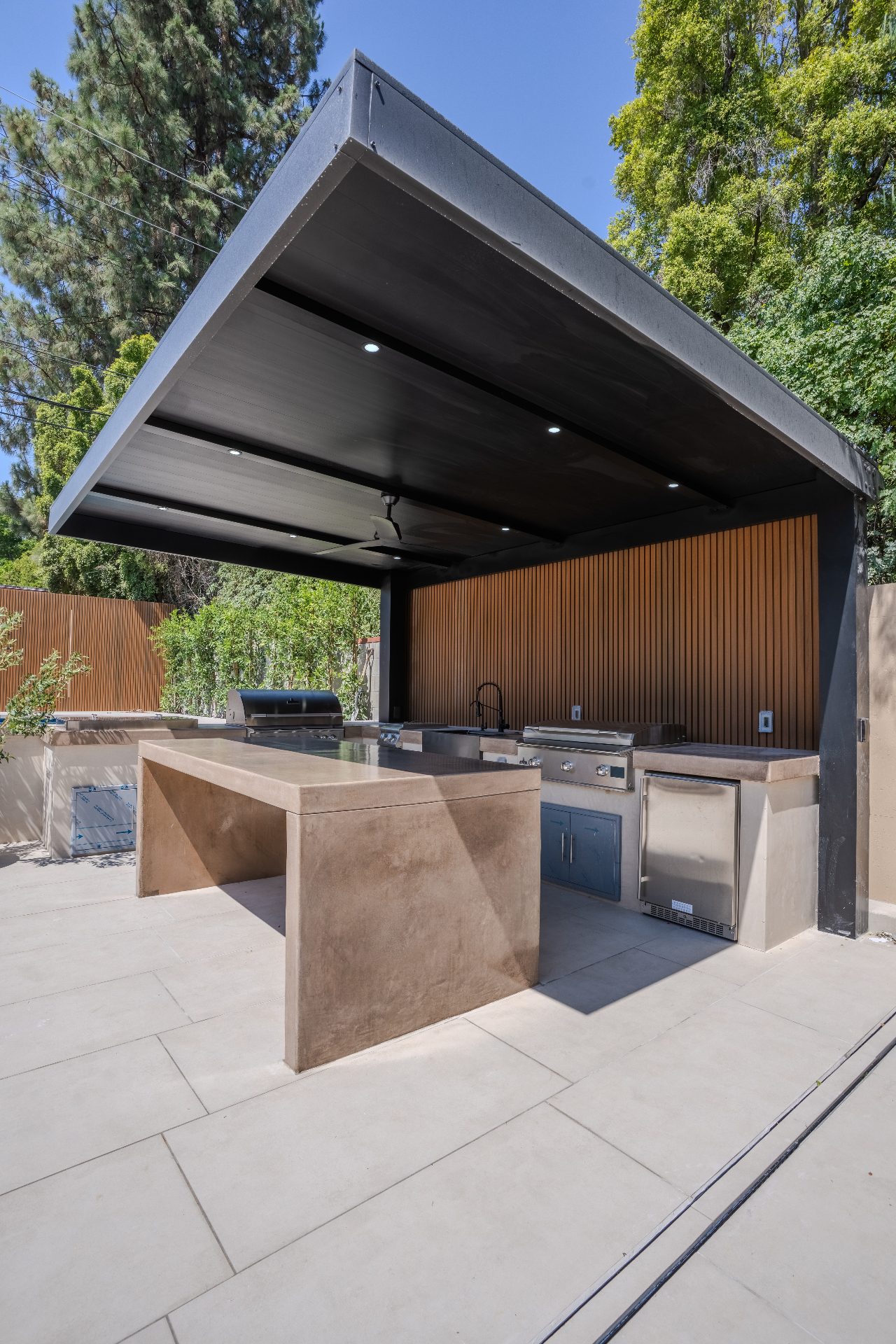
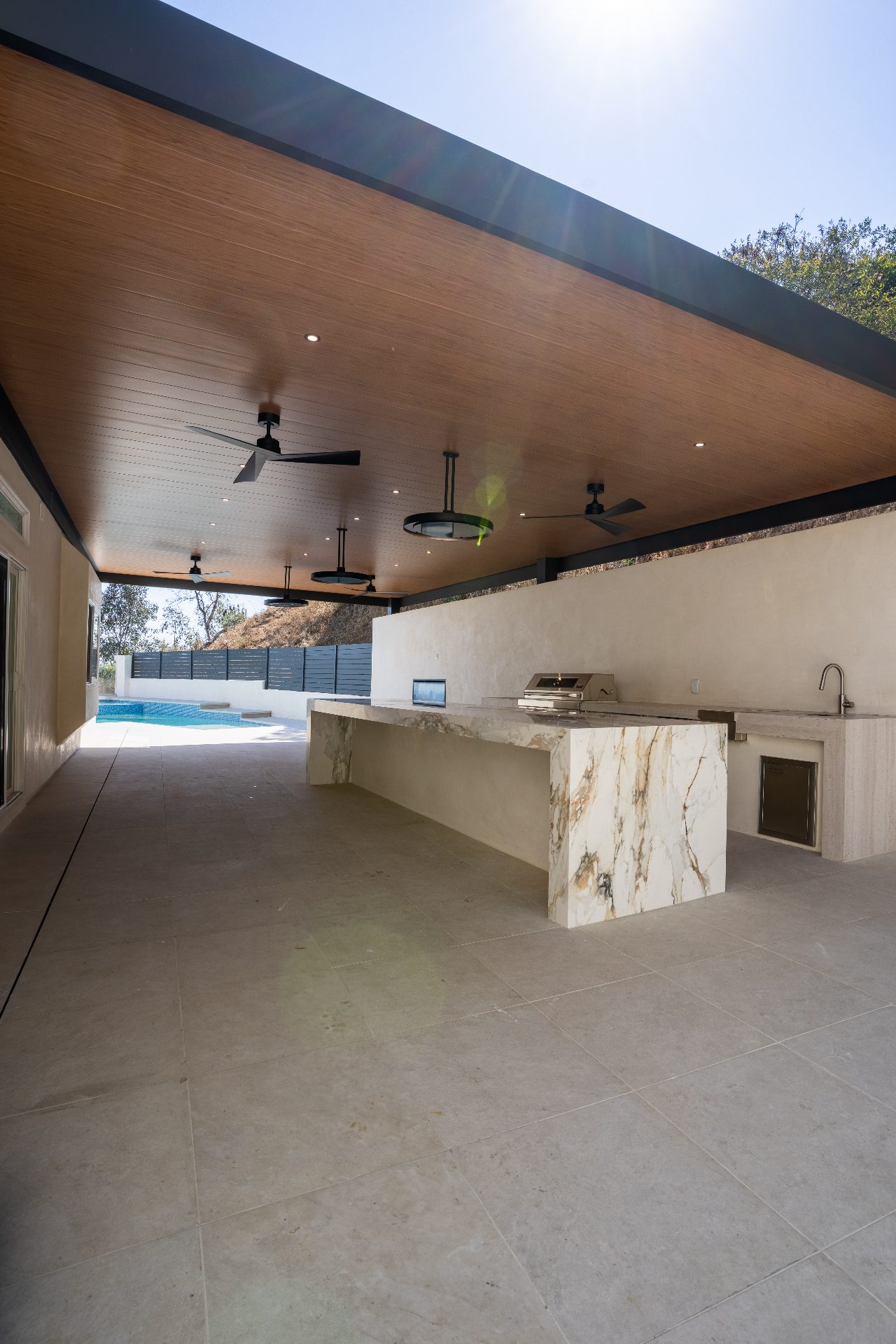
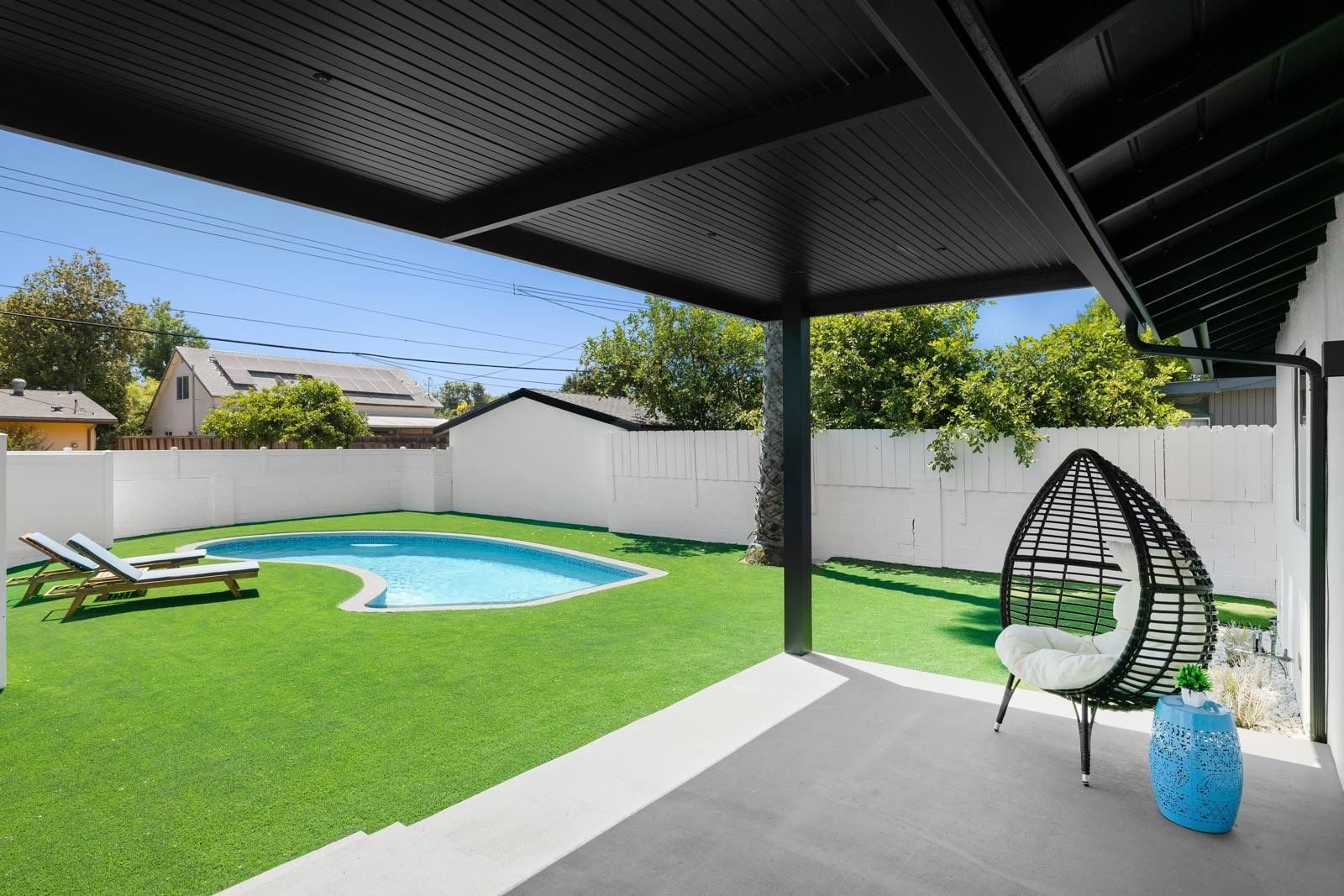
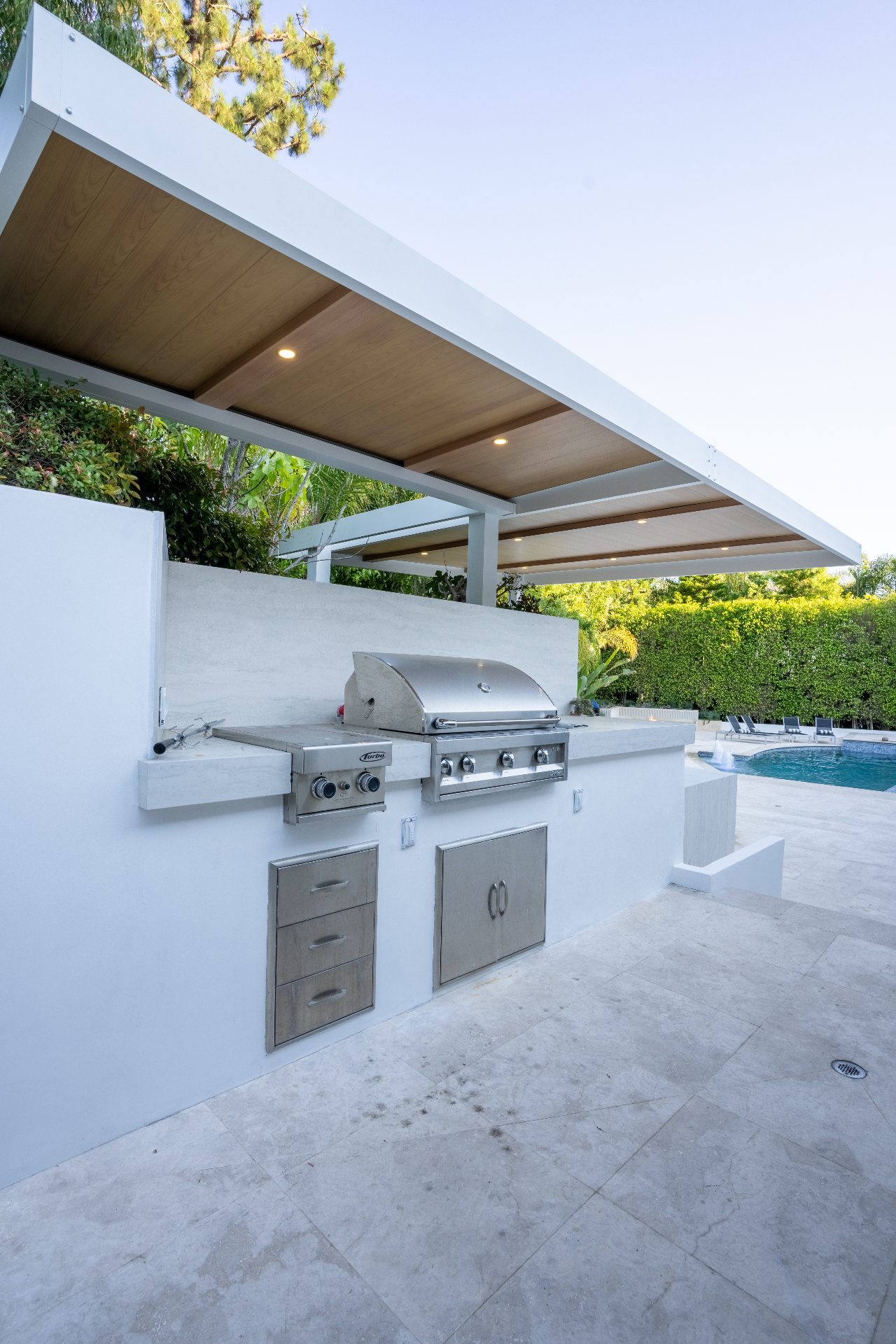
Cantilever pergolas are the statement pieces of outdoor architecture. Without visible support posts, they appear to float—creating dramatic, unobstructed outdoor rooms. But they come with significant cost and complexity.
Why Choose Cantilever
- Unobstructed views—no posts blocking sightlines
- Architectural statement—instantly elevates design
- Maximum usable space under cover
- Modern aesthetic that complements contemporary homes
- Creates illusion of indoor-outdoor seamlessness
Engineering Requirements
Cantilevers work by transferring all loads to a hidden anchor point. This requires:
- Structural engineering: $3,000-$8,000
- Substantial footings or wall anchors
- Premium materials to minimize weight while maintaining rigidity
- Often steel or aluminum (wood rarely works)
Cost Breakdown
- Small cantilever (8-10 ft extension): $35,000-$50,000
- Medium cantilever (10-14 ft): $50,000-$75,000
- Large cantilever (14+ ft): $75,000-$100,000+
- Add 20-30% for electrical, fans, and finishing
Limitations
- Maximum extension limited by physics (typically 14-18 ft)
- Requires solid anchor point (wall or foundation)
- More expensive than traditional pergolas
- Fewer contractor options—specialized work
💡 Pro Tip
If your primary goal is shade and the view isn't the main consideration, a traditional pergola delivers similar function at 40-60% of the cost.
Frequently Asked Questions
How far can a cantilever pergola extend?
Typically 10-16 feet without intermediate support. Longer extensions require hybrid designs or additional engineering.
Are cantilever pergolas safe?
When properly engineered and built, yes. The key is adequate anchoring—never undersize the foundation or wall connection.
Can any contractor build a cantilever pergola?
No. Cantilevers require specialized engineering and construction experience. Verify your contractor has completed similar projects.