The Porcelain vs Concrete Paver Decision
Five years ago, this wasn't even a conversation. Concrete pavers were the default and porcelain was exotic. In 2026, porcelain pavers have gone mainstream — and for good reason. But they're not always the right choice.
Here's my honest comparison after installing thousands of square feet of both materials across Los Angeles.
The Cost Reality
- Concrete pavers: $18-32/sq ft installed
- Porcelain pavers: $32-50/sq ft installed
- Premium difference: 40-60% more for porcelain
For a 600 sq ft pool deck: $10,800-19,200 (concrete) vs $19,200-30,000 (porcelain). That's a significant gap — but the performance gap matters too.
Heat Performance
This is porcelain's killer advantage in LA. On a 95°F day:
- Dark concrete pavers: 145-155°F surface temperature
- Light concrete pavers: 125-140°F
- Porcelain pavers: 105-120°F
- Difference: 25-35°F cooler for porcelain
Around pools, this isn't a luxury — it's a comfort necessity. If kids are running around barefoot, porcelain is dramatically more comfortable.
Stain Resistance
Porcelain is fired at 2,200°F, creating a non-porous surface that resists stains almost completely. Concrete pavers are porous and absorb oils, rust, and food stains unless sealed regularly.
- Porcelain: Near-zero absorption rate (<0.5%), stains wipe off
- Concrete: 5-8% absorption rate, requires sealing every 2-3 years
- Real-world impact: Outdoor kitchen areas and pool decks stay cleaner with porcelain
Durability and Longevity
- Porcelain: Scratch-resistant, fade-resistant, 50+ year lifespan
- Concrete: Can chip or crack, fades over time, 30-50 year lifespan with maintenance
- Both handle freeze-thaw (less relevant in LA but matters in mountain areas)
When to Choose Concrete Pavers
- Budget is the primary driver
- Traditional or rustic aesthetic is desired
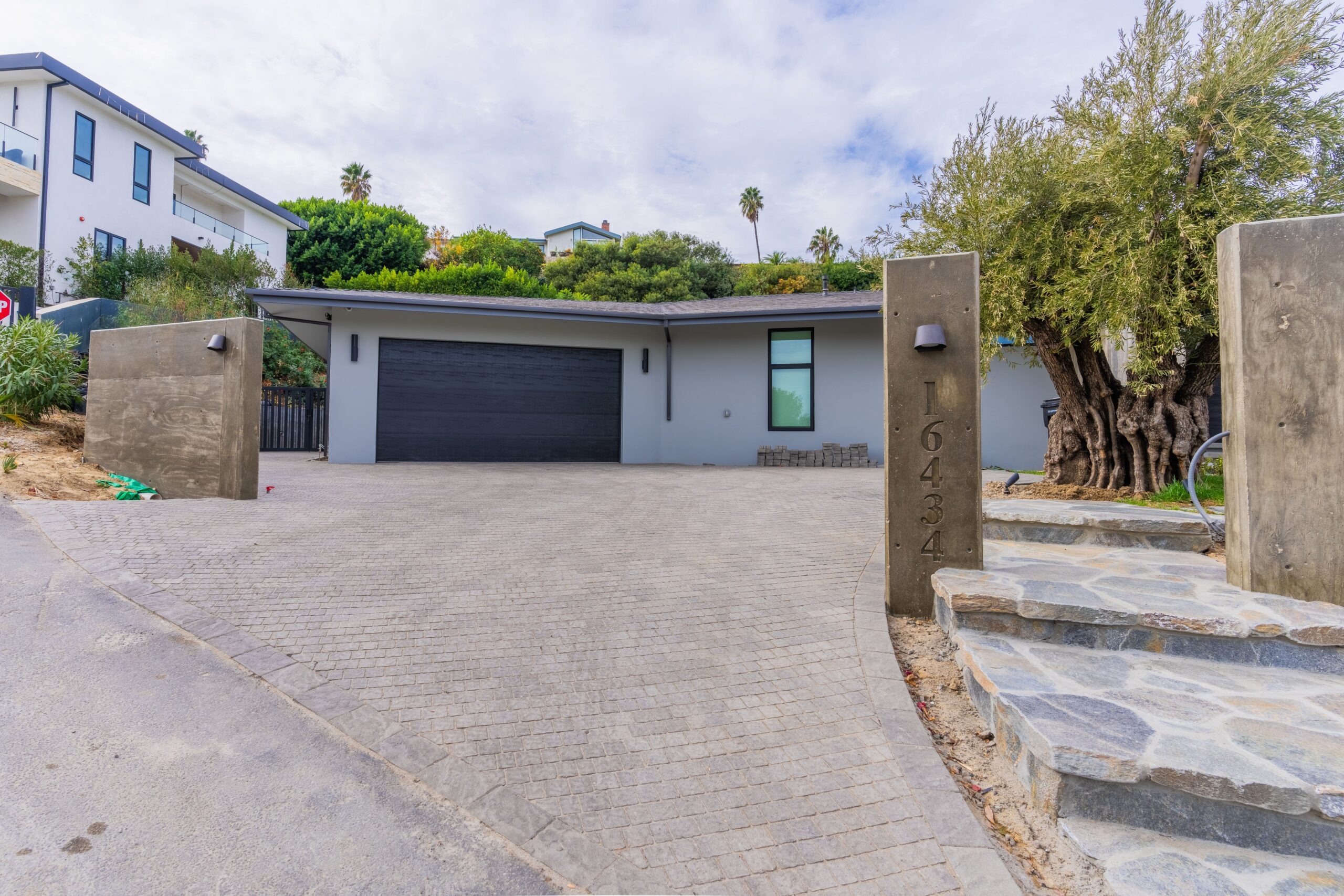
- Driveways: Concrete pavers handle vehicle weight better at standard thicknesses
- Large areas where cost difference becomes significant
- Matching existing hardscape
When to Choose Porcelain
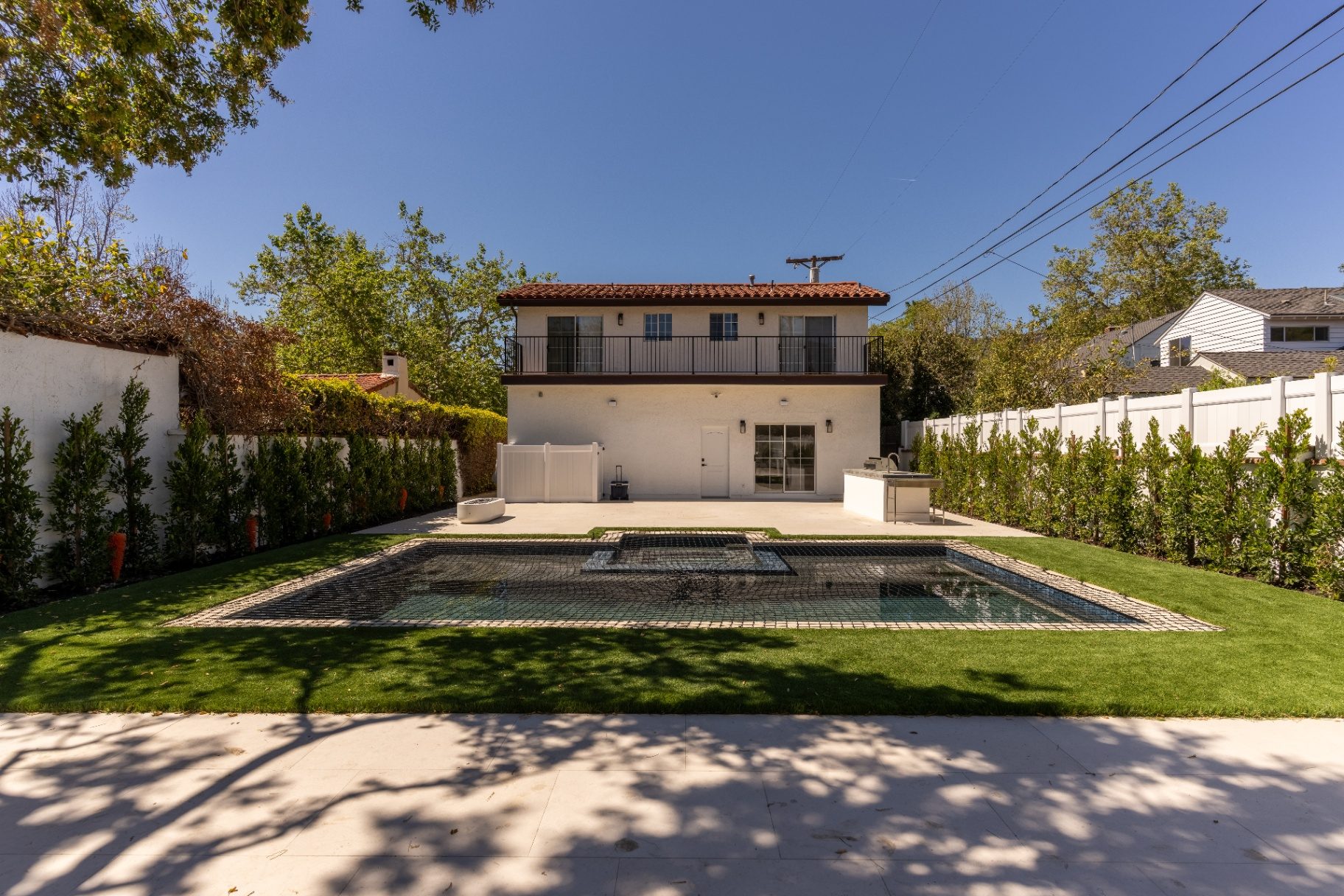
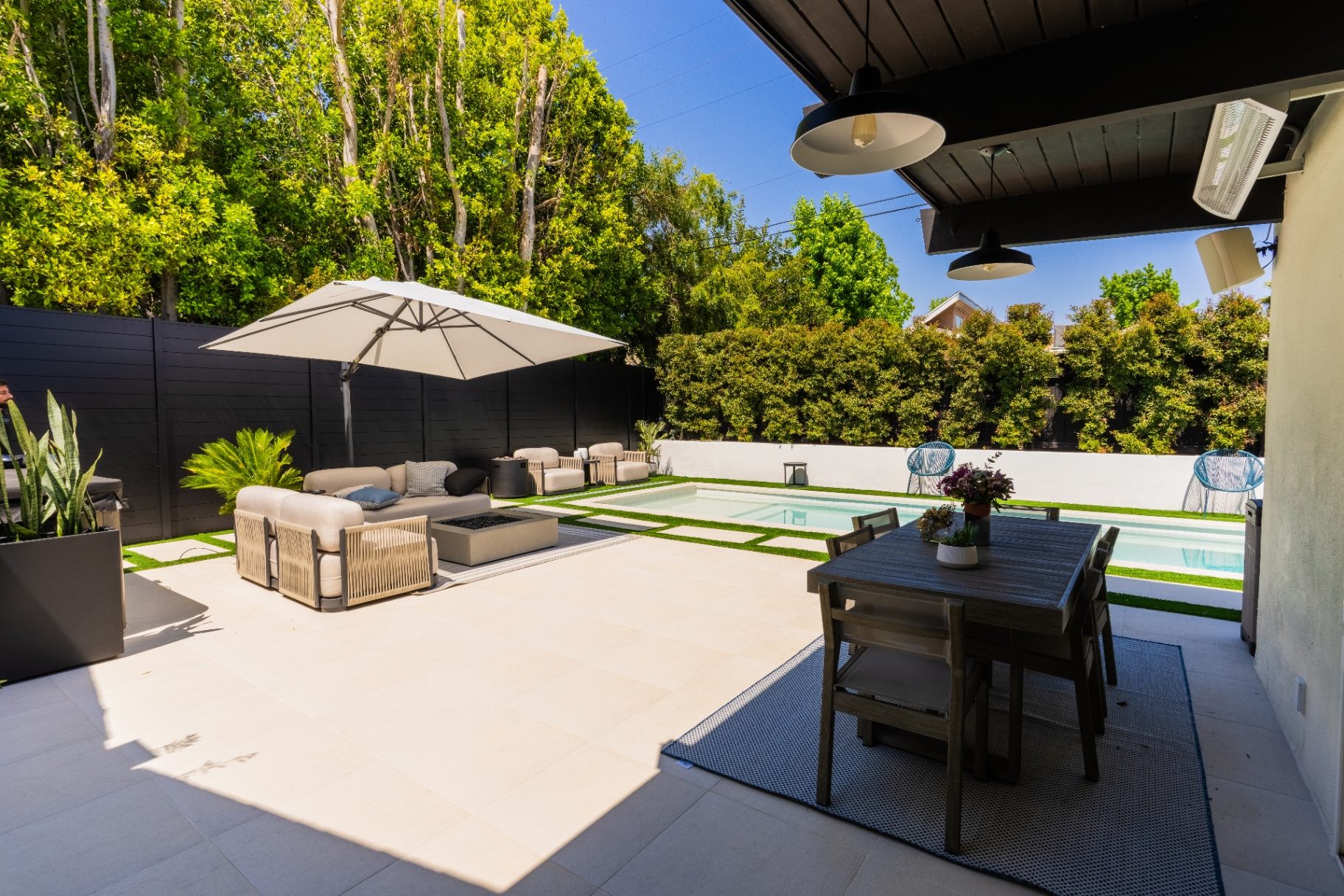
- Pool decks: Cooler surface is a must-have in LA
- Outdoor kitchen areas: Stain resistance saves maintenance headaches
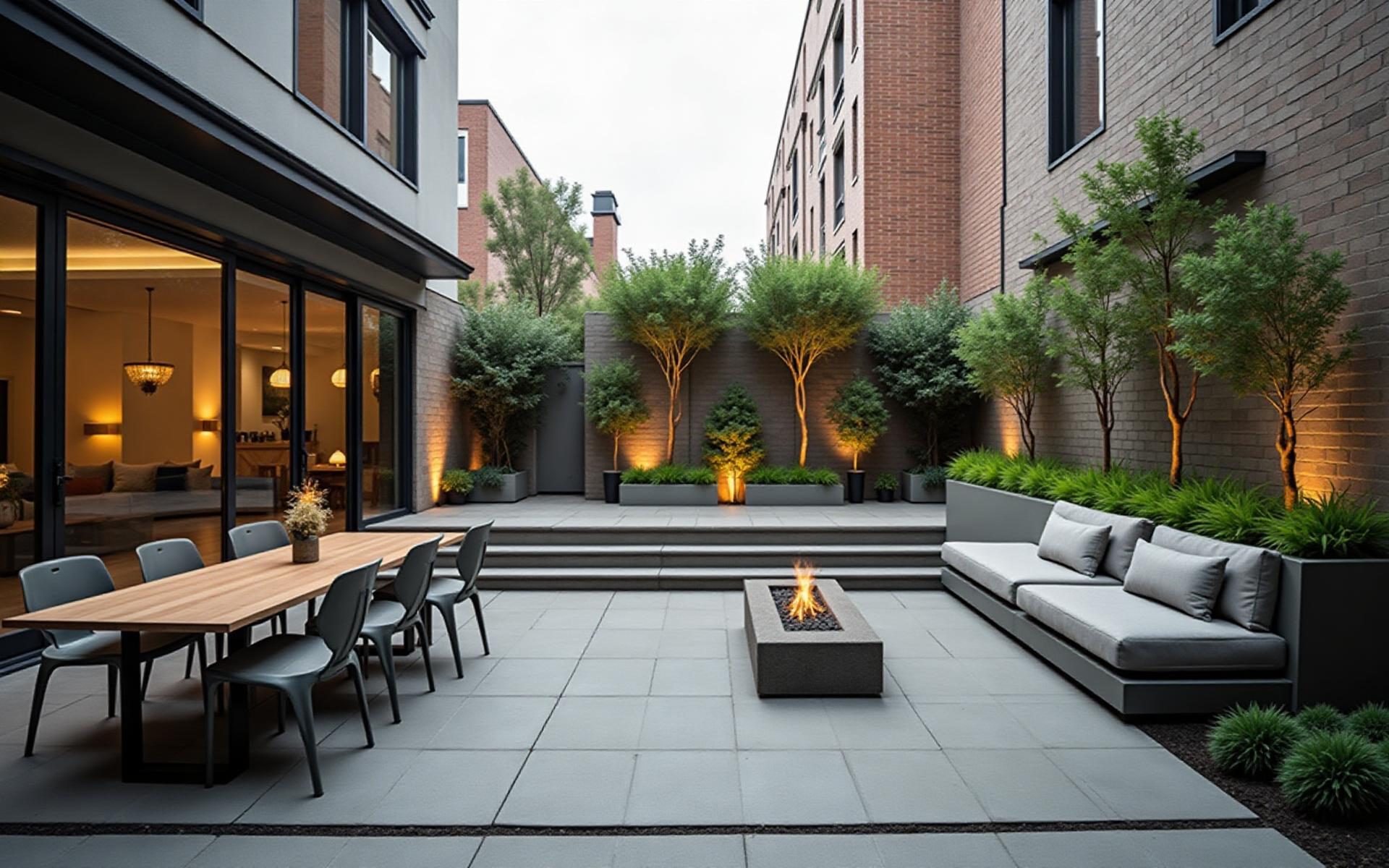
- Modern design aesthetic: Cleaner look with thinner profiles
- Low-maintenance priority: No sealing required, ever
- High-end projects where premium finishes are expected
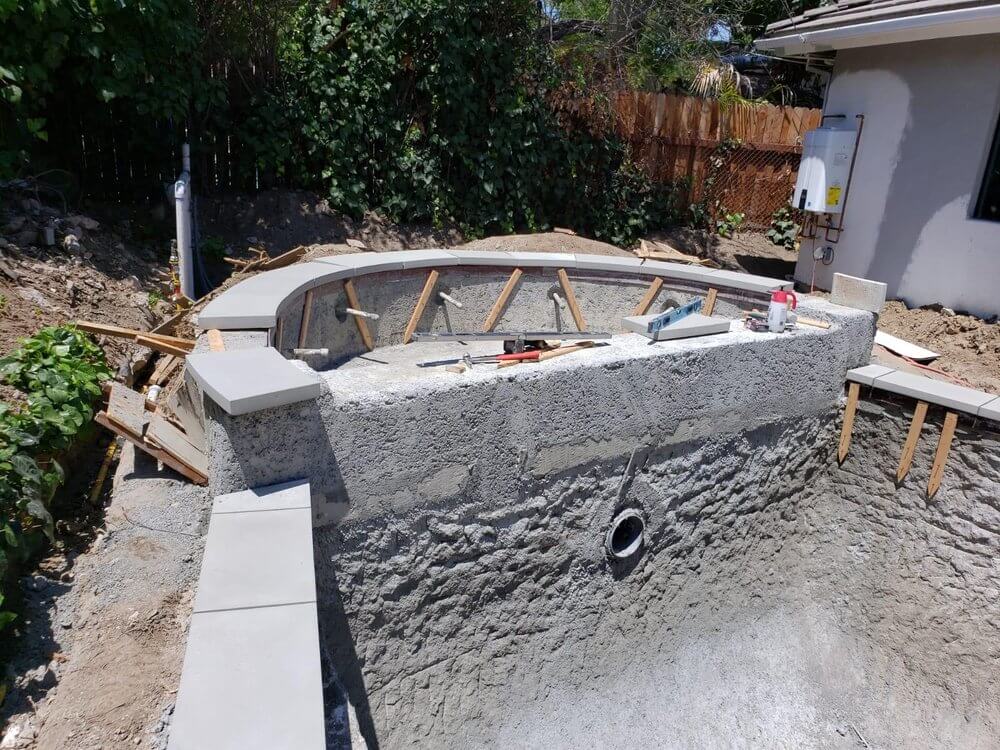
We did porcelain around the pool and concrete pavers for the walkways. Best of both worlds — comfort where we need it, value where we can. — Michelle T., Encino
💡 Pro Tip
A smart hybrid approach: Use porcelain for pool decks and outdoor kitchen areas (where heat and stains matter most) and concrete pavers for walkways, driveways, and secondary areas. You get premium performance where it counts and save budget elsewhere.
Frequently Asked Questions
Are porcelain pavers worth the extra cost?
For pool decks and outdoor kitchens, absolutely — the heat reduction and stain resistance justify the premium. For driveways and walkways, concrete pavers offer better value.
How much cooler are porcelain pavers?
Porcelain pavers stay 25-35°F cooler than concrete pavers in direct LA sun. On a 95°F day, that means ~115°F vs ~145°F surface temperature.
Do porcelain pavers need sealing?
No. Porcelain's near-zero porosity means it never needs sealing. This saves $500-1,500 every 2-3 years compared to concrete pavers.