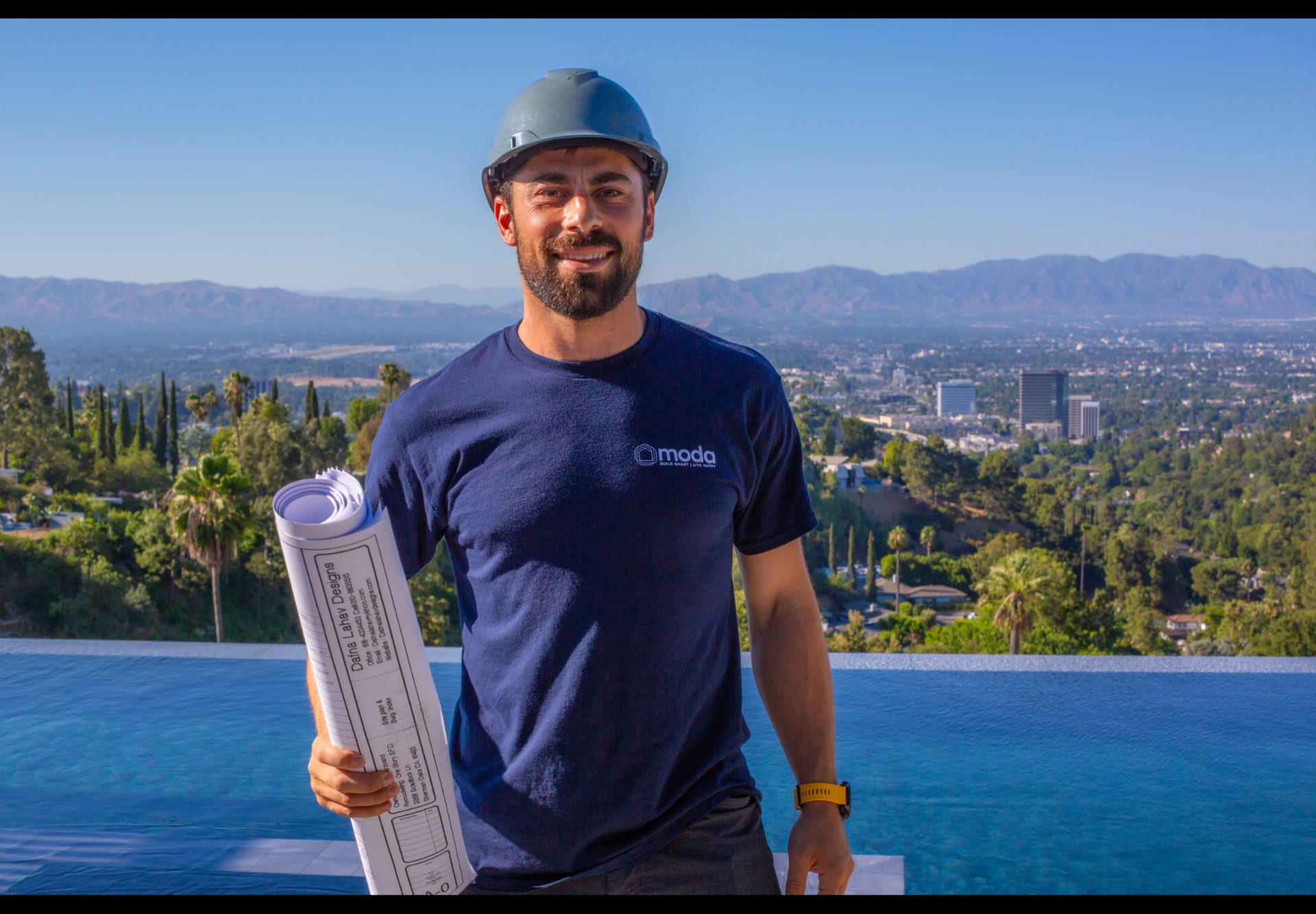
The Pool + Spa Combination: LA's Most Popular Backyard Feature
If I had to name the single most requested feature across all our projects, it's the raised spa with spillover into the pool. Not the biggest ticket item, not the most complex—but the one that clients tell us they use every single day. Winter evenings, post-workout recovery, morning meditation—the spa gets daily use while the pool might be seasonal.
But there are many ways to configure a pool and spa together, and the design choice affects aesthetics, cost, and functionality. Let me walk through the options.
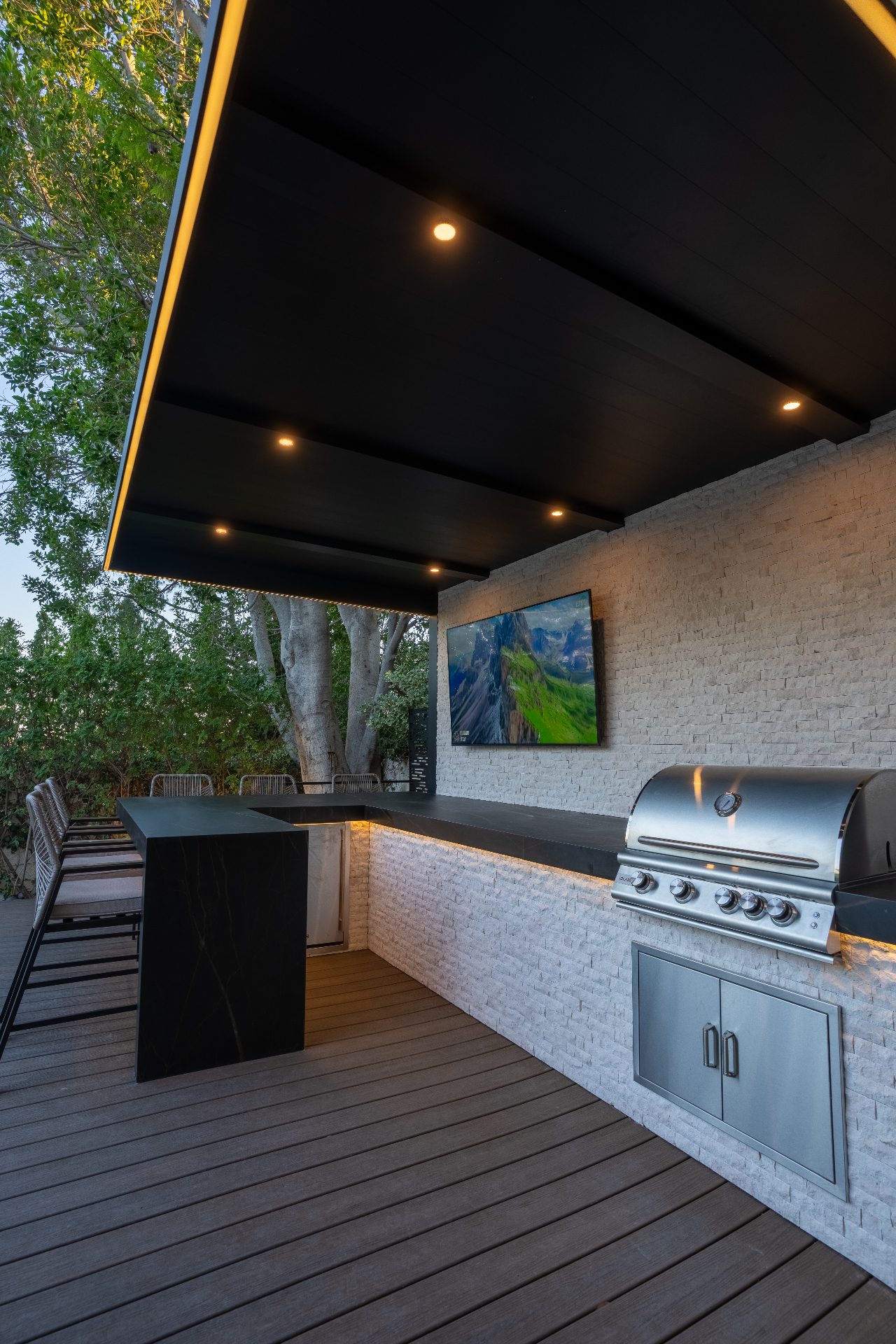
Spa Configuration Options
Raised Spa with Spillover
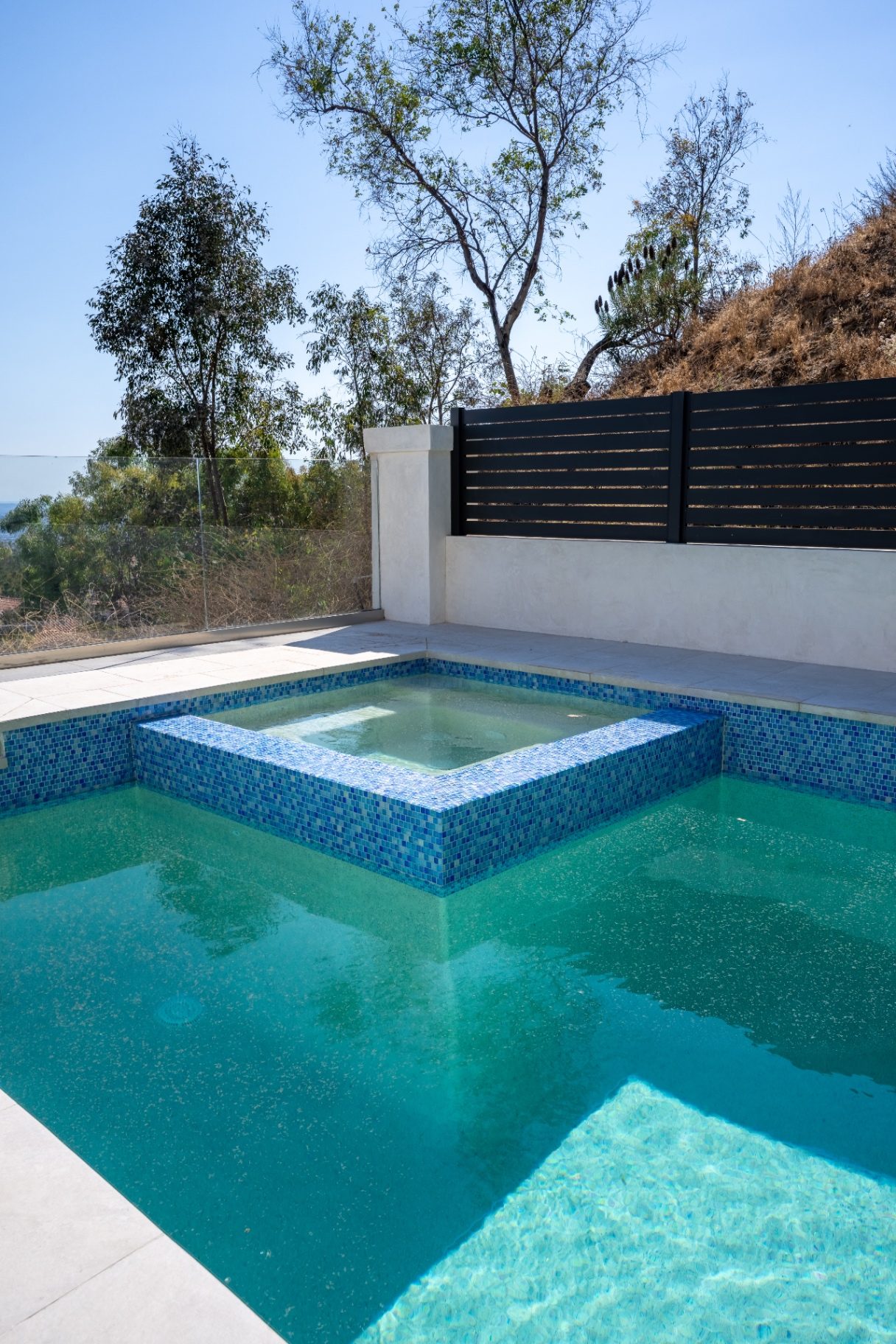
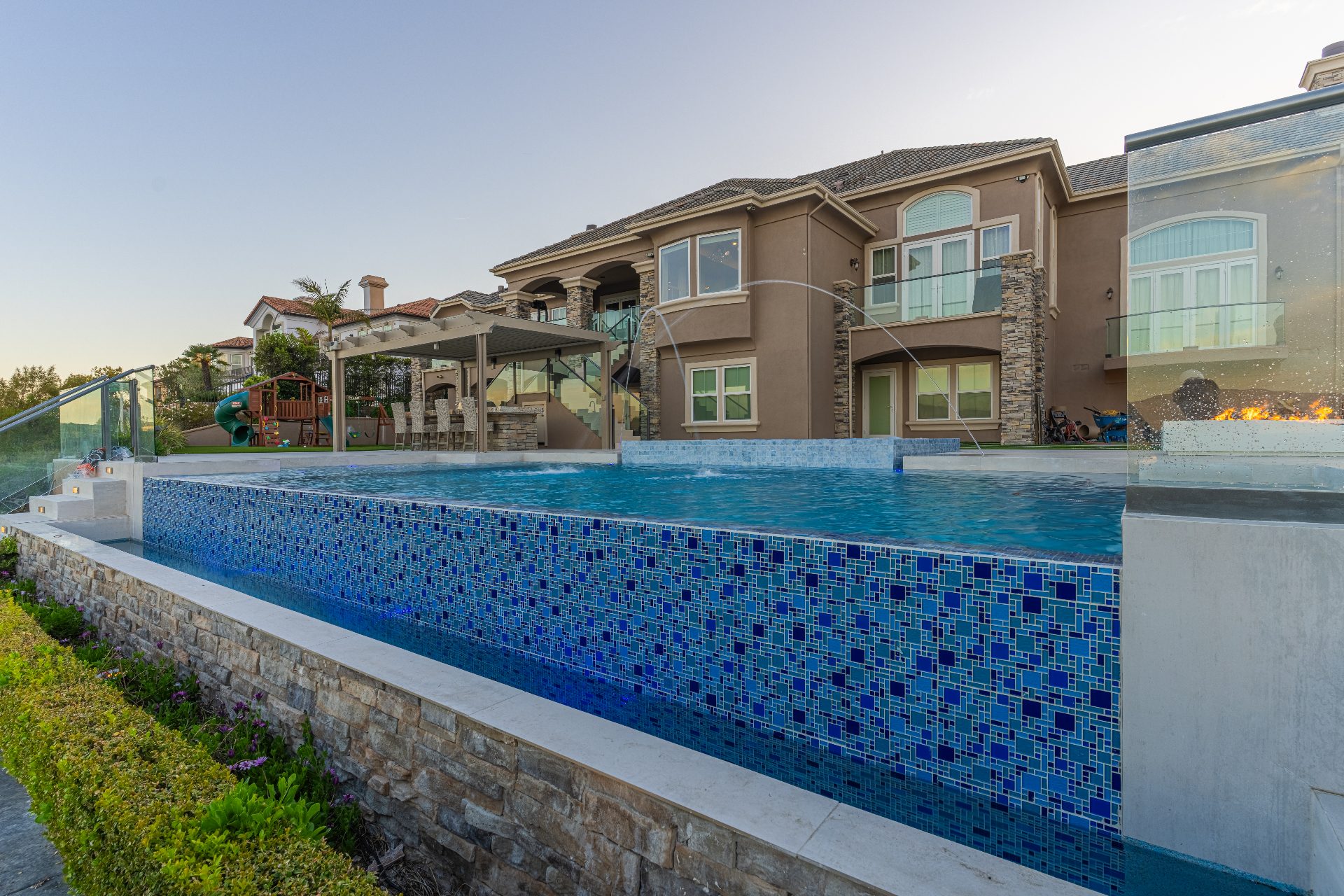
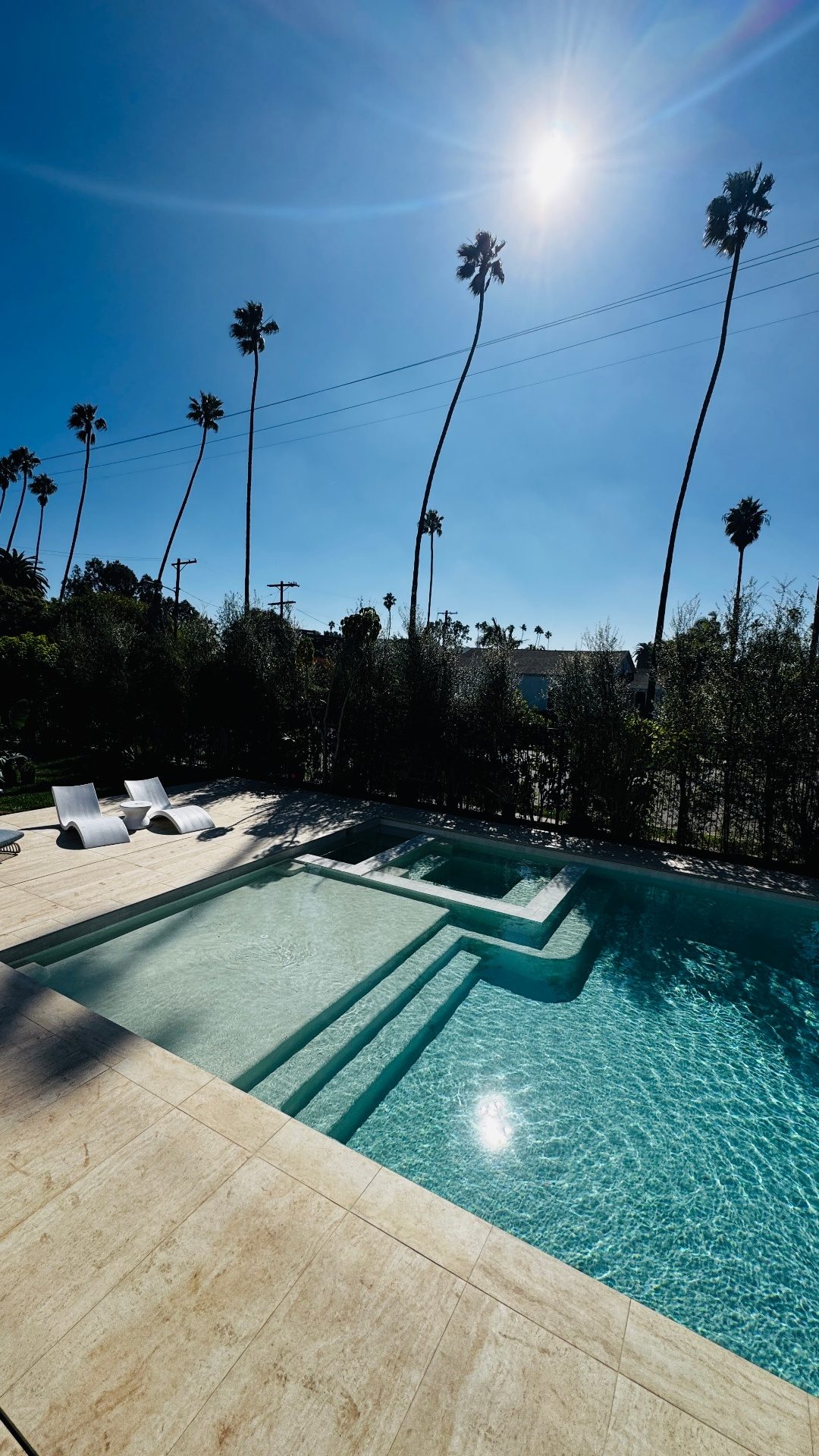
The gold standard. The spa sits 12-18 inches above the pool, with water cascading over one edge into the pool below. Benefits: dramatic visual focal point, soothing water sound, clear separation between hot and cool water, easier entry (you step down into the spa from the deck).
Cost: $15,000-$25,000 for the spa addition to a pool project.
Flush Spa (Pool-Level)
The spa sits at the same level as the pool, connected by a channel or opening. Pros: cleaner lines for modern designs, lower cost. Cons: less visual impact, harder to maintain separate temperatures.
Cost: $12,000-$18,000 for the spa addition.
Standalone Spa
Completely separate from the pool with its own plumbing and equipment. Best when the spa serves as a distinct feature—maybe on a different level of the yard or closer to the house.
Cost: $18,000-$30,000 (separate equipment adds cost).
360-Degree Spillover
Water cascades over all edges of a raised spa—the most dramatic option. Requires more complex engineering and a larger catch system but creates an incredible visual.
Cost: $25,000-$40,000.
Sizing Your Spa
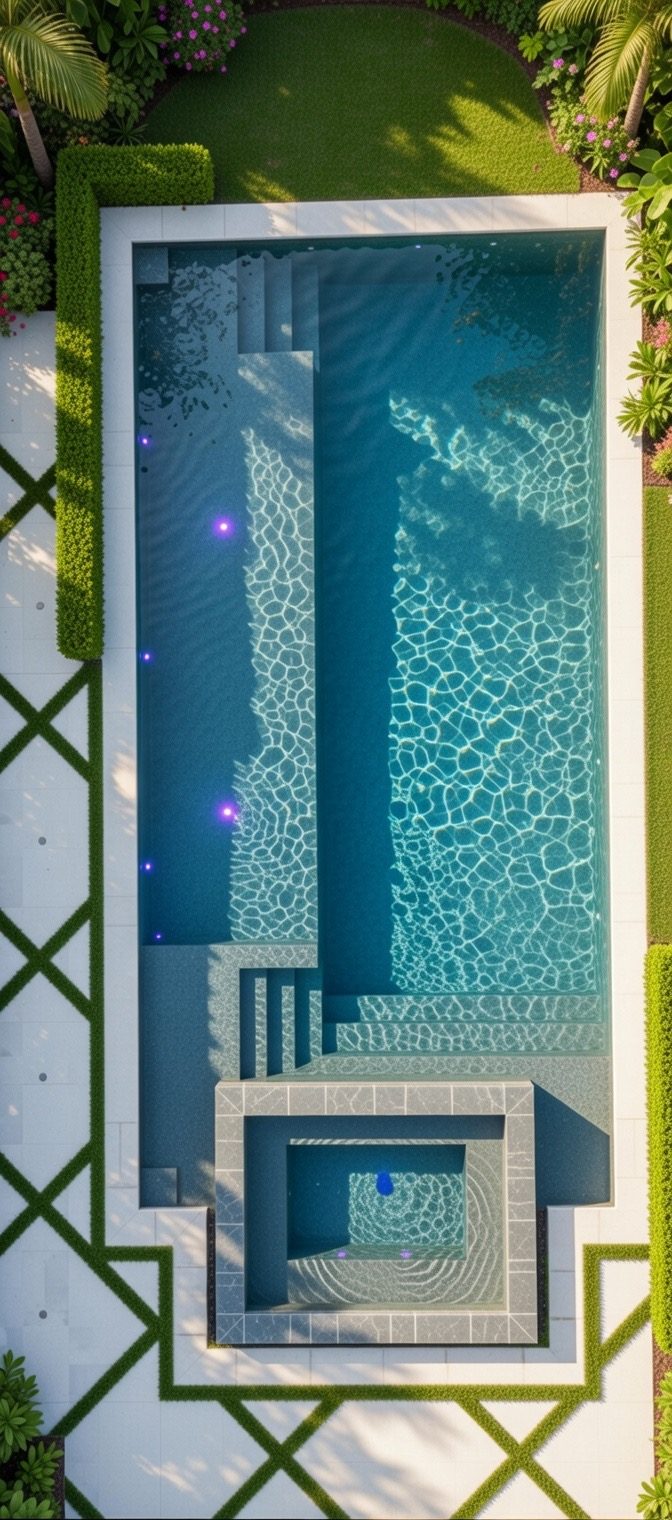
Spa sizing isn't about how many people CAN fit—it's about how many people COMFORTABLY fit. Here's my guide:
- 6-foot diameter: 2-3 people comfortably (couples spa)
- 7-foot diameter: 3-4 people comfortably (small family)
- 8-foot diameter: 4-6 people comfortably (entertaining)
- Custom/elongated: 6-8+ people (large families, frequent hosts)
Most of our LA clients build 7-8 foot spas. Going too small is a common regret—you can always be in a bigger spa, but a cramped spa gets avoided.
Spa Features Worth Adding
- Jets: Standard in all spas. Adjustable jets let users control pressure ($500-$1,500 for premium jets)
- LED lighting: Color-changing spa lights create ambiance ($500-$1,000)
- Spillover: If raised, the spillover into the pool is a must ($2,000-$4,000)
- Mosaic tile interior: Custom tile in the spa adds luxury ($3,000-$8,000)
- Built-in seating at multiple levels: Accommodates different heights ($500-$1,000)
- Grab bars: Code-required and safety-smart ($200-$500)
Heating and Plumbing Considerations
The big question: shared or separate heating?
Shared heating means one heater heats both pool and spa. It's less expensive but slower—heating a spa from pool temperature takes 30-60 minutes. Separate spa heating means a dedicated heater that brings the spa to temperature in 15-20 minutes.
My recommendation: Shared heating with a gas booster. Your heat pump maintains the pool, and a small gas heater rapidly heats the spa on demand. Best of both worlds: $3,000-$5,000 for the dual system.
💡 Pro Tip
Build your spa with a separate temperature control valve, even with shared heating. This lets you maintain the spa at 102-104°F while keeping the pool at 80-82°F. Without it, you're always heating the entire system.
Design Trends for 2026
What we're seeing in current projects:
- Raised spas with linear fire features flanking both sides
- Glass mosaic tile in the spa with a complementary pebble finish in the pool
- Spillover width matching the full spa diameter for maximum visual impact
- Integrated bench seating at deck level around the raised spa
- Smart controls: Heat the spa from your phone 30 minutes before you want to use it
The Bottom Line
A pool without a spa is fine. A pool with a well-designed spa becomes a daily ritual. The $15,000-$30,000 investment pays for itself in use frequency alone. I've never had a client tell me they regret adding the spa. I've had many tell me they wish they'd made it bigger.
The raised spa was Elan's suggestion. We use it ten times more than the pool. Best money we spent on the entire project. — Vanessa & Derek T.
Watch the Transformation
Frequently Asked Questions
How much does a pool and spa combo cost in Los Angeles?
Adding a spa to a pool project costs $12,000-$40,000 depending on configuration. Total pool+spa projects typically run $100,000-$180,000.
What's the best spa size for a family of four?
A 7-8 foot diameter spa comfortably seats 4-6 people. Don't go smaller than 7 feet for a family—you'll wish you'd gone bigger.
Raised spa or flush spa—which is better?
Raised spas with spillover are our most popular option. They create more visual drama, better water separation, and the spillover sound is a bonus.
How long does it take to heat a spa?
With dedicated gas heating: 15-20 minutes. With shared heat pump: 30-60 minutes. We recommend a dual system for the best of both worlds.