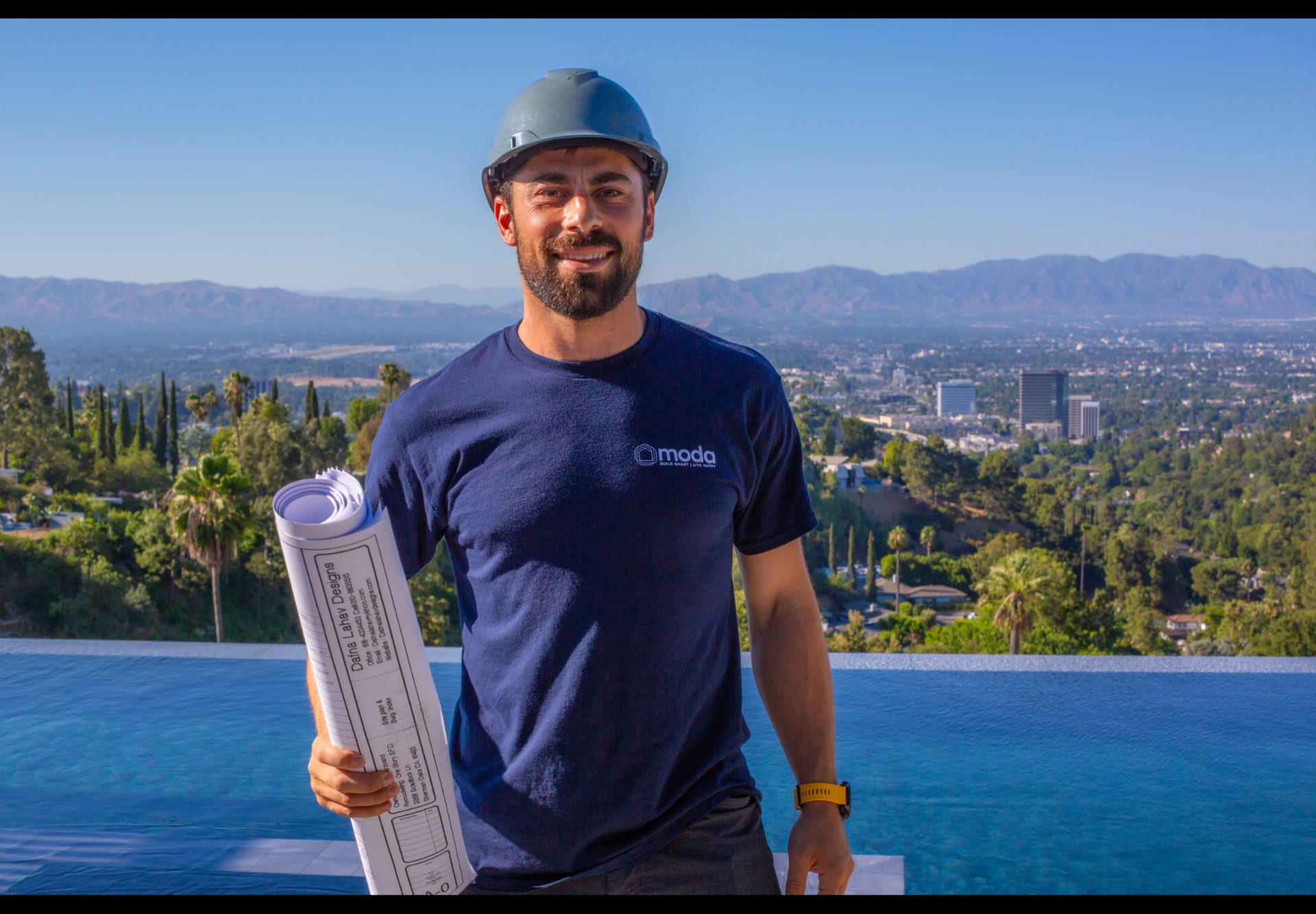
Why Permit Costs Matter More Than You Think
One of the most common surprises in outdoor construction is permit costs. Clients budget for the pool, the pavers, the pergola—then find out permits add $3,000-15,000 depending on their city.
After working across LA County for years, I've learned that permit processes vary enormously. Here's the city-by-city breakdown so you can plan accurately.
Pool Permit Costs by City (2026)
These are approximate costs for a standard residential pool permit including plan check:
- City of Los Angeles: $4,500-6,500
- Calabasas: $5,000-8,000
- Glendale: $3,500-5,000
- Pasadena: $4,000-6,000
- Beverly Hills: $6,000-10,000
- Santa Monica: $5,500-8,000
- Burbank: $3,000-4,500
- Thousand Oaks: $3,500-5,500
- Woodland Hills (LA City): $4,500-6,500
- Encino (LA City): $4,500-6,500
💡 Pro Tip
These costs include plan check fees, permit fees, and typical inspection fees. They don't include school fees, which some cities add for new construction ($1,000-3,000).
Timeline Reality: How Long Permits Take
This is where projects often stall. Even with completed plans, permit processing varies wildly:
- City of Los Angeles: 8-16 weeks (ladder permits sometimes faster)
- Calabasas: 6-12 weeks
- Glendale: 4-8 weeks
- Pasadena: 6-10 weeks
- Beverly Hills: 8-14 weeks
- Santa Monica: 8-12 weeks (coastal review adds time)
- Thousand Oaks: 4-8 weeks
- Burbank: 4-6 weeks (fastest in the region)
These are typical timelines. Complex projects, incomplete applications, or hillside properties can add weeks or months.
What's Included in Permit Fees
When you pay a pool permit, you're typically covering:
- Plan check (engineer reviews your plans for code compliance)
- Building permit (authorization to construct)
- Electrical permit (for pool equipment, lighting)
- Plumbing permit (for pool plumbing, drains)
- Safety inspections (barrier, equipment, final)
Some cities bundle these; others charge separately. Always ask for itemized fee estimates.
Other Outdoor Project Permits
Pools aren't the only thing requiring permits. Here's what else typically needs city approval:
Pergolas & Covered Patios
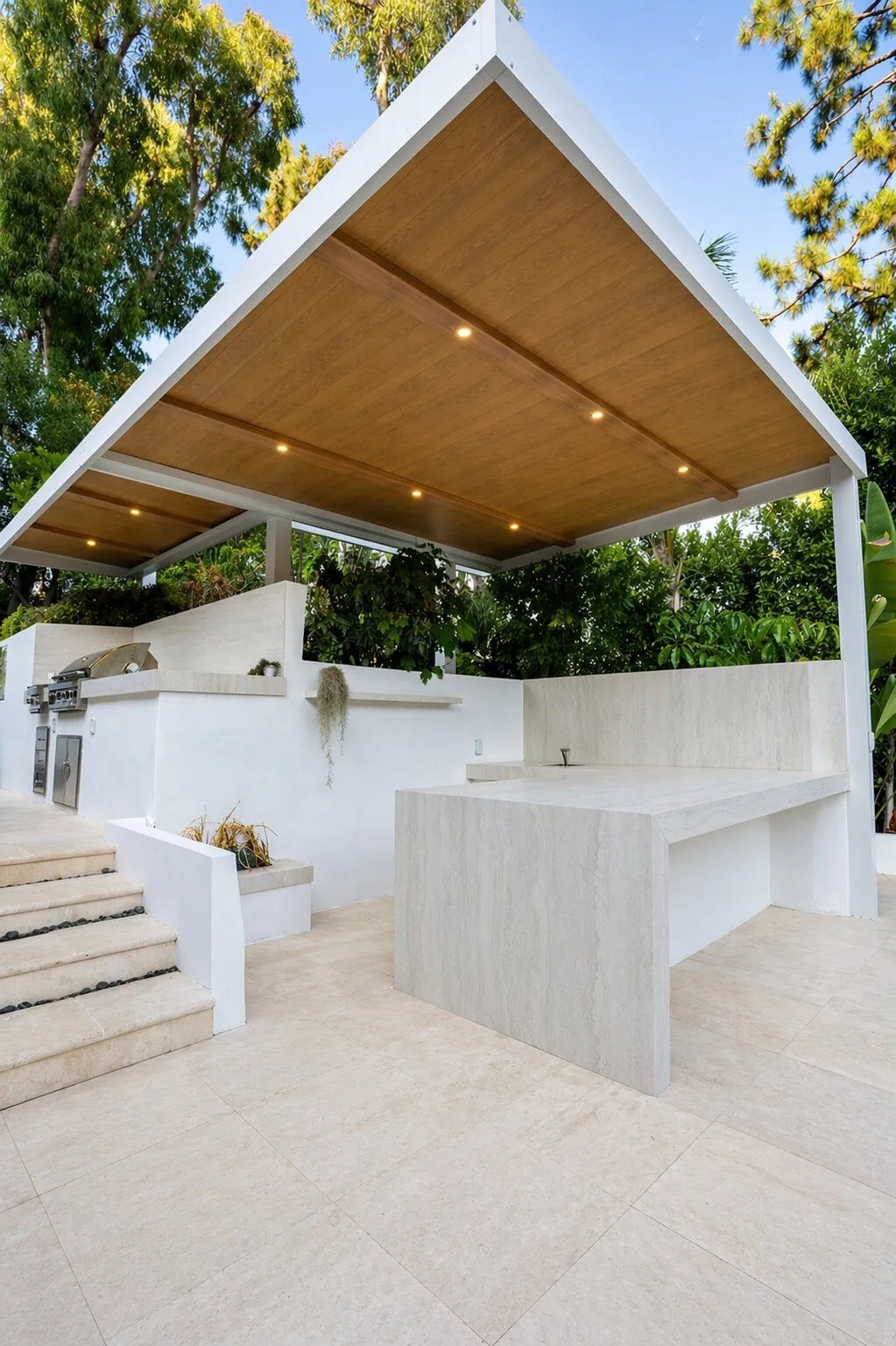
Required in most cities if over 120 sq ft or attached to house. Permit cost: $500-2,500. Timeline: 2-6 weeks.
Outdoor Kitchens
Usually required due to gas and electrical connections. Permit cost: $800-2,000. Timeline: 2-4 weeks.
Retaining Walls
Required if over 3-4 feet tall (varies by city). Permit cost: $400-1,500. Timeline: 2-4 weeks.
Paver Patios
Generally NOT required unless attached to permitted structure or over certain size. But check your city.
What Happens During Inspections
Pool construction typically has 4-6 inspections:
- Setback/layout (before excavation starts)
- Steel/rebar (before gunite, most critical)
- Plumbing pressure test
- Electrical (bonding and equipment)
- Safety barrier (fence, gates, alarms)
- Final (everything complete, water in pool)
Each inspection must pass before proceeding. Failed inspections cause delays—another reason to use experienced contractors who know what inspectors look for.
Moda handled all our permits. I didn't have to deal with the city at all. They passed every inspection first time. — Felix K., via Google
How Moda Handles Permits
Our permit process:
- We include engineering and permit costs in your quote (no surprises)
- Our team submits plans and manages city communication
- We schedule all inspections and meet inspectors on-site
- You don't have to deal with the building department at all
The permit headache is ours, not yours. That's how it should work.
Frequently Asked Questions
How much does a pool permit cost in Los Angeles?
City of LA pool permits typically run $4,500-6,500 including plan check and inspections. Other LA County cities vary from $3,000-10,000.
How long does a pool permit take in LA?
City of LA: 8-16 weeks. Other cities range from 4-14 weeks depending on backlog and project complexity.
Do I need a permit for a pergola?
Usually yes if over 120 sq ft or attached to the house. Permit costs $500-2,500 and takes 2-6 weeks.
Do paver patios require permits?
Generally no, unless attached to permitted structures or over a certain size. Check with your specific city.
What happens if I build without a permit?
You risk stop-work orders, fines, required demolition, and problems when selling. Not worth the risk.