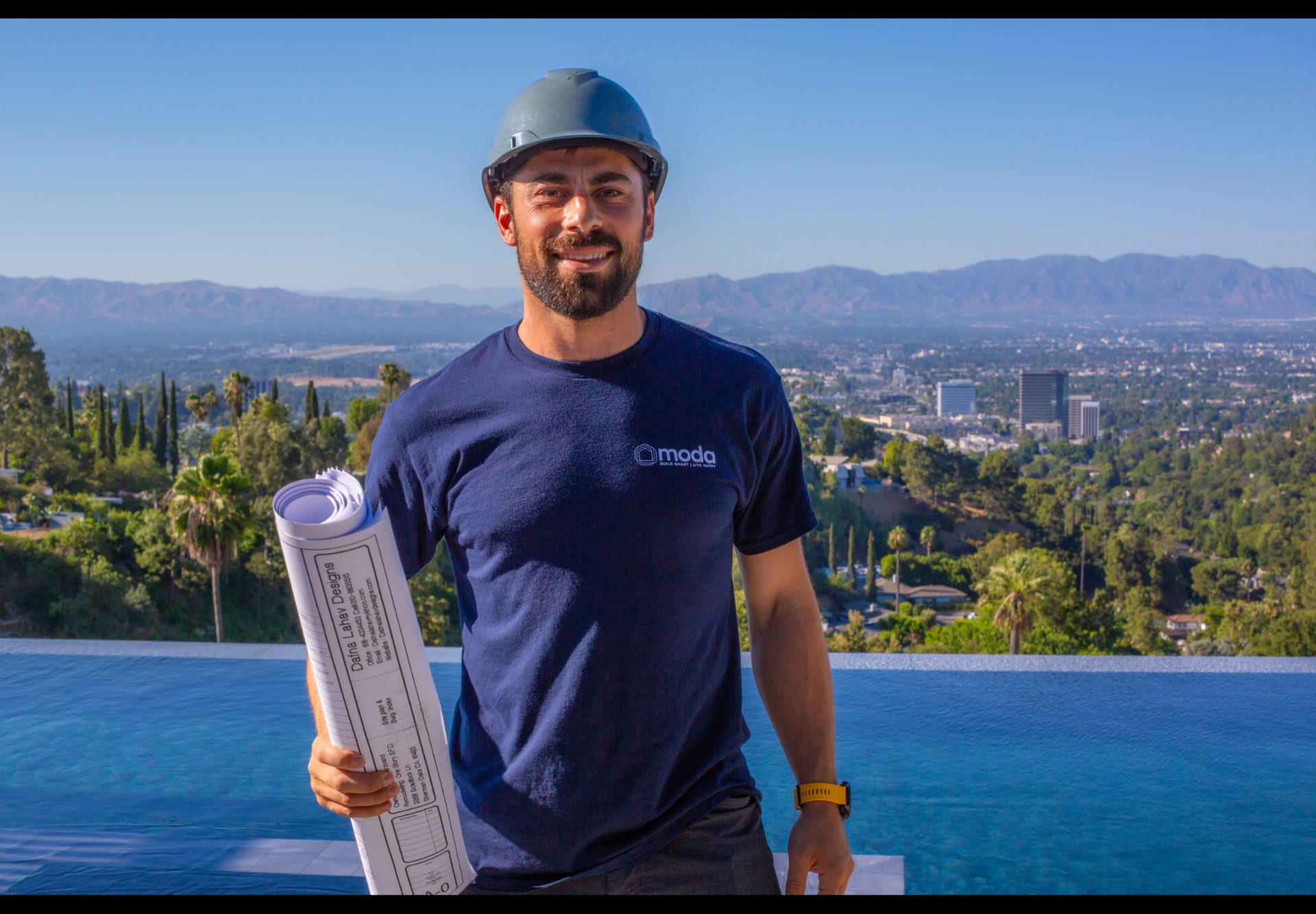
Hillside Sites Are a Different Category of Project
A hillside backyard in places like Rolling Hills, Rancho Palos Verdes, or the hills above Malibu isn't just a flat-lot project with a view — it's a structural engineering project first, and a design project second. Slope stability, drainage, and access all have to be solved before a single design decision gets made.
Why Hillside Pools Cost More
Hillside, infinity-edge, or otherwise complex sites run $180,000–$400,000+ for the pool alone, well above the $70,000–$180,000 range for a standard or premium flat-lot build. The gap comes from engineered retaining structures to support the pool shell on a slope, deeper and more extensive shotcrete work, geotechnical reports, structural engineering, and often more difficult equipment and material access.
Retaining Wall Costs
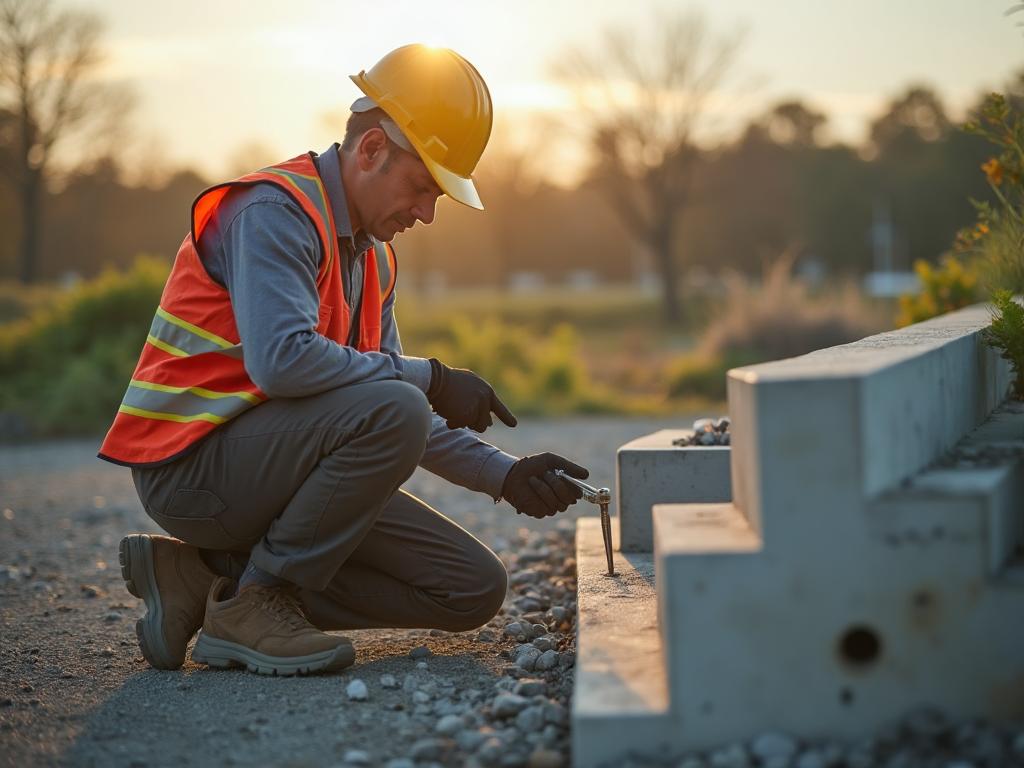
Retaining walls on a hillside project are sized by height, length, and soil conditions, and engineered walls above a certain height require structural calculations and permits from the local building department. Costs vary widely based on whether the wall is a simple gravity-block wall or a fully engineered, tie-back reinforced wall required to support a pool or usable flat pad above it — the latter is a significant structural investment, not a landscaping line item.
Grading Costs
Grading a hillside lot to create a usable, level pad often requires cut-and-fill work, compaction testing, and drainage systems to manage runoff so water doesn't undermine the slope below. Access is frequently the hidden cost driver — equipment that can't reach the site directly may require smaller machinery, hand labor, or even crane placement for materials, all of which add time and cost beyond what a flat, street-accessible lot would need.
- Geotechnical report and soils testing — required before design on most hillside lots
- Structural engineering for retaining walls and pool shell on slope
- Cut-and-fill grading with compaction testing
- Drainage and runoff management to protect the slope below
- Equipment access — may require specialized machinery or crane placement
💡 Pro Tip
Budget for the geotechnical and structural engineering phase before falling in love with a specific design — the site's soil and slope conditions determine what's actually buildable and at what added cost.
Why the Payoff Is Different Too
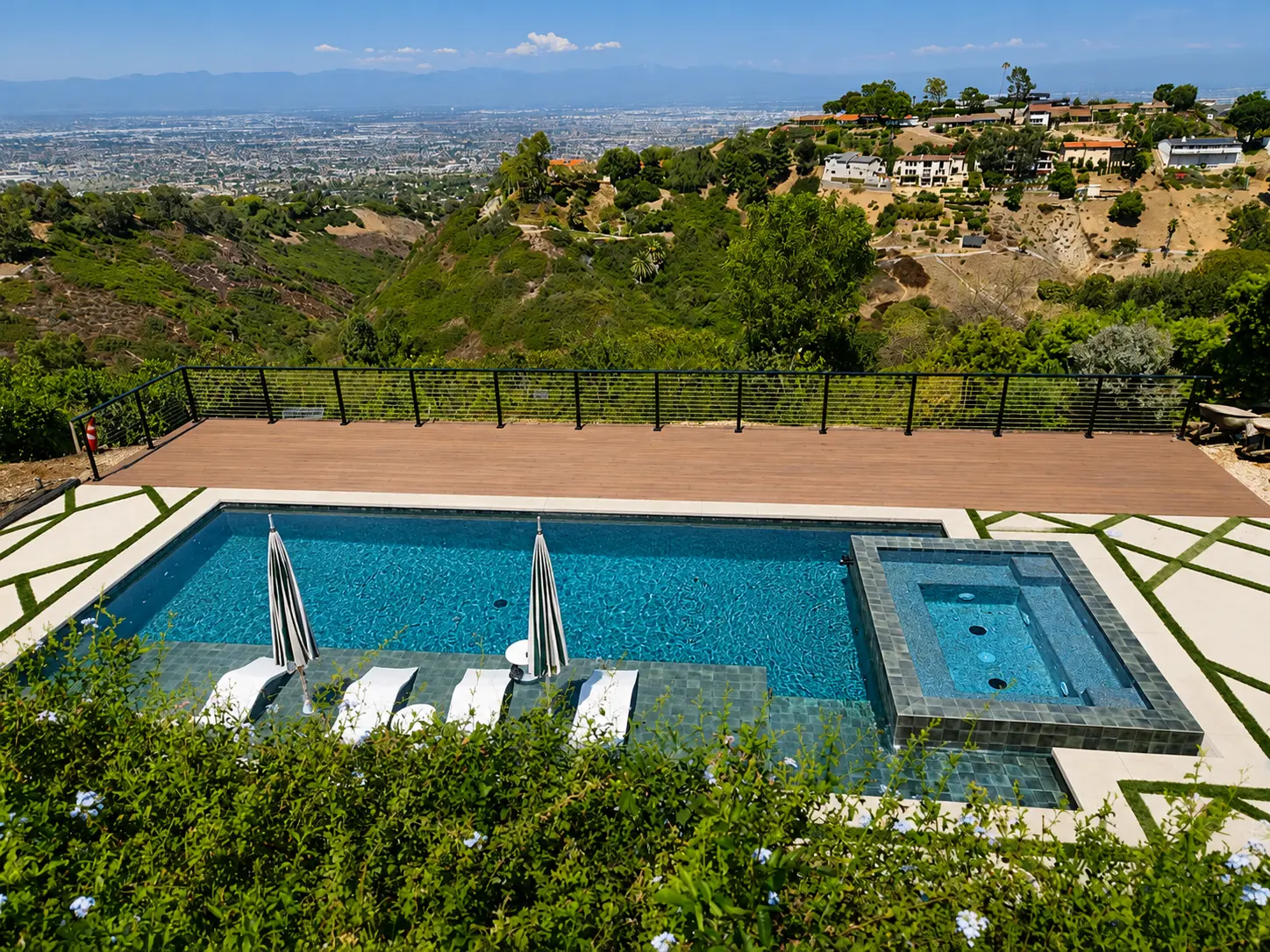
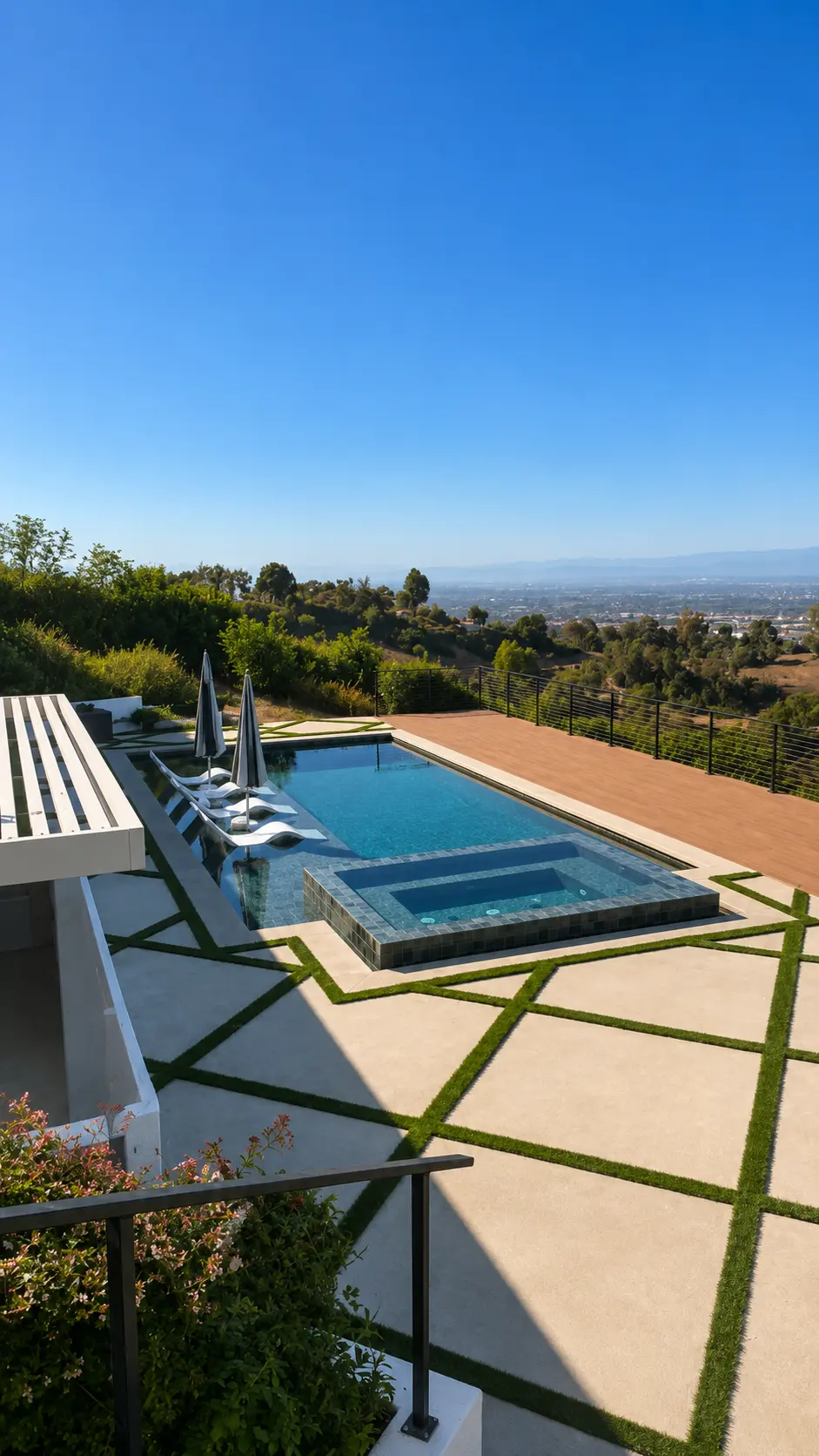
Hillside builds cost more, but they also deliver something a flat lot can't — the infinity edges, dramatic sightlines, and layered decks that define the most striking Southern California backyards. A properly engineered hillside pool with a view, like the Rolling Hills projects above, is a very different asset than a standard backyard pool, and it's priced accordingly.
Because engineering costs are so site-specific, hillside projects benefit most from an in-person site visit rather than a purely online estimate — our team can walk the slope and give you a realistic scope before design begins.
Frequently Asked Questions
How much more does a hillside pool cost than a flat-lot pool?
Hillside, infinity-edge, or otherwise complex sites run $180,000–$400,000+, compared to $70,000–$180,000 for standard to premium flat-lot pools, with the difference driven by engineering, retaining structures, and access.
Do I need a geotechnical report to build on a hillside in Southern California?
Yes, most hillside lots require a geotechnical report and soils testing before design and permitting can proceed, since local building departments need to confirm slope stability.
Are retaining walls required for hillside pools?
Often yes — engineered retaining walls are commonly needed to support a pool shell or usable pad on sloped ground, and walls above a certain height require structural engineering and permits.
What makes grading a hillside lot more expensive?
Cut-and-fill earthwork, compaction testing, drainage systems to manage runoff, and limited equipment access all add cost compared to grading a flat, street-accessible lot.
Is it worth the extra cost to build a pool on a hillside lot?
For homeowners with a view lot, the payoff is a pool design — like an infinity edge or layered deck — that isn't achievable on a flat lot, though it comes with a meaningfully higher engineering and construction cost.