Yes, I'm a Contractor Writing About Choosing Contractors
I know what you're thinking: "Of course he's going to say choose Moda." But that's not what this article is about. I'm going to give you the actual criteria you should use — the same criteria I'd use if I were hiring someone for my own home. Some of these will point you toward us. Some might point you elsewhere. That's fine.
1. Licensed, Bonded, and Insured — Verified
Don't just ask — verify. Go to the CSLB website (cslb.ca.gov) and look up their license number. Check that it's active, that the bond is current, and that there are no complaints. Any contractor who hesitates to give you their license number is a red flag.
2. Specific Experience in Your Project Type
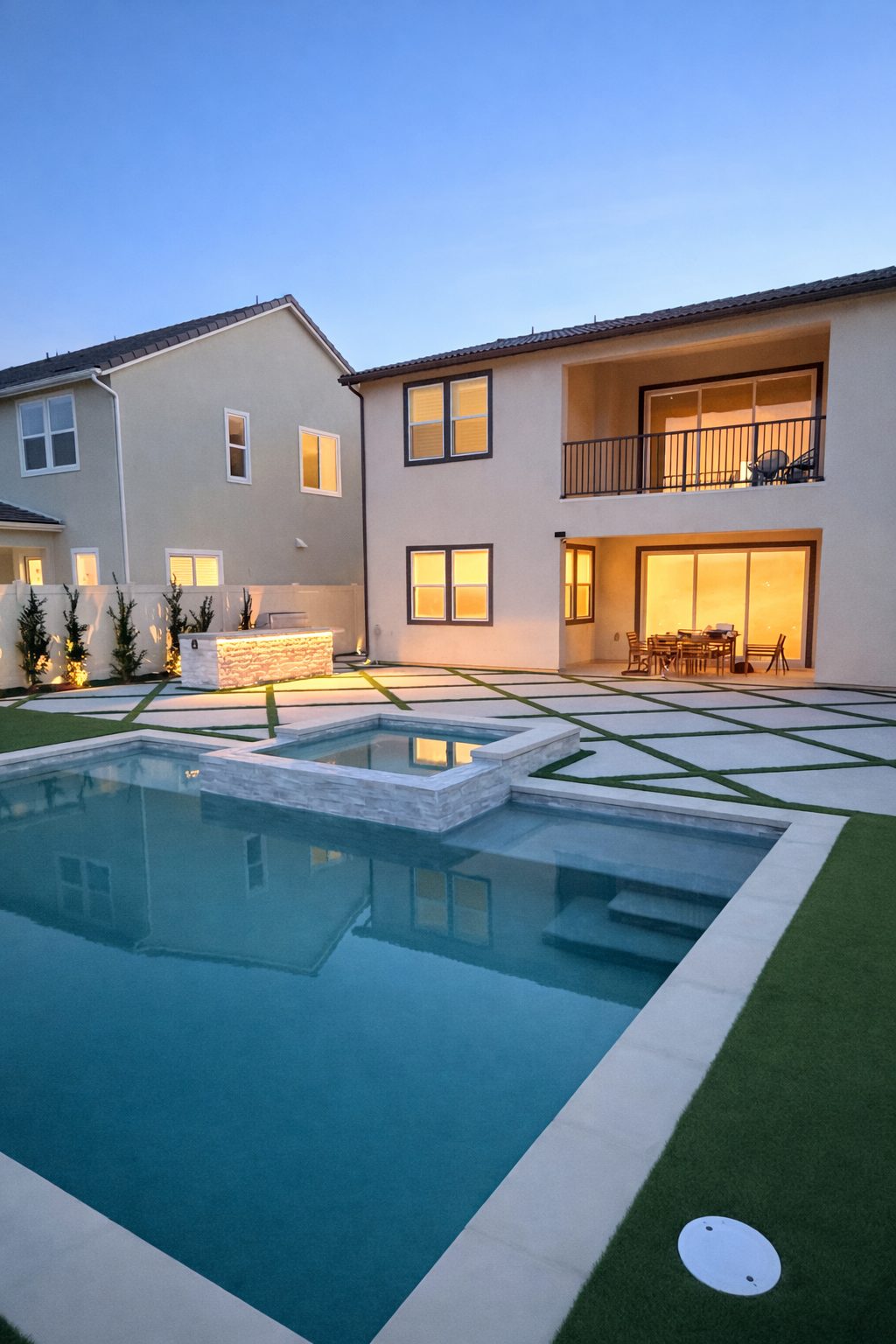
A contractor who builds amazing pools might be terrible at pergolas. Ask for photos and references for projects similar to yours. Not just "outdoor projects" — specifically pools if you want a pool, specifically hillside retaining walls if you're on a hill.
3. Their Own Crew vs. All Subcontractors
Ask whether they use their own employees or subcontract everything. Neither is inherently bad, but you should know. Companies with their own crews typically have more quality control. Companies that sub everything are essentially project managers — make sure they're managing well.
4. Detailed Written Estimates
Get everything in writing with line-item breakdowns. A proposal that says "Pool: $60,000" is useless. You need: excavation, steel, plumbing, electrical, plaster, tile, coping, deck, permits — all itemized. This protects you from hidden costs and makes it possible to compare bids apples-to-apples.
5. Realistic Timeline with Buffer
If a contractor says they can build your pool in 4 weeks, they're either lying or cutting corners. A quality pool in LA takes 10-16 weeks of construction plus 6-12 weeks of permitting. Any contractor giving dramatically shorter timelines is setting you up for disappointment.
6. Clear Payment Schedule
In California, contractors cannot legally request more than $1,000 or 10% of the contract (whichever is less) as a down payment. Payments should be tied to milestones, not calendar dates. A typical schedule: 10% at contract, 20% at excavation, 20% at steel/plumbing, 20% at plaster/hardscape, 20% at completion, 10% held for 30 days.
7. Active Online Presence with Recent Work
Check their Instagram, Google reviews, and website. Are they showing current projects? Do they have reviews from the last 3 months? A contractor with a dead social media presence and no recent reviews might be winding down or having problems.
8. Communication Style
How quickly do they respond to your inquiry? How clearly do they explain things? The way they communicate during the sales process is the best they'll ever communicate. If they're slow, vague, or dismissive now, it only gets worse during construction.
9. Warranty in Writing
Get the warranty terms in your contract. What's covered, for how long, and what's excluded. A verbal warranty is worthless. Standard warranties: 1 year workmanship, 10 years structural, manufacturer warranties on equipment.
10. Trust Your Gut
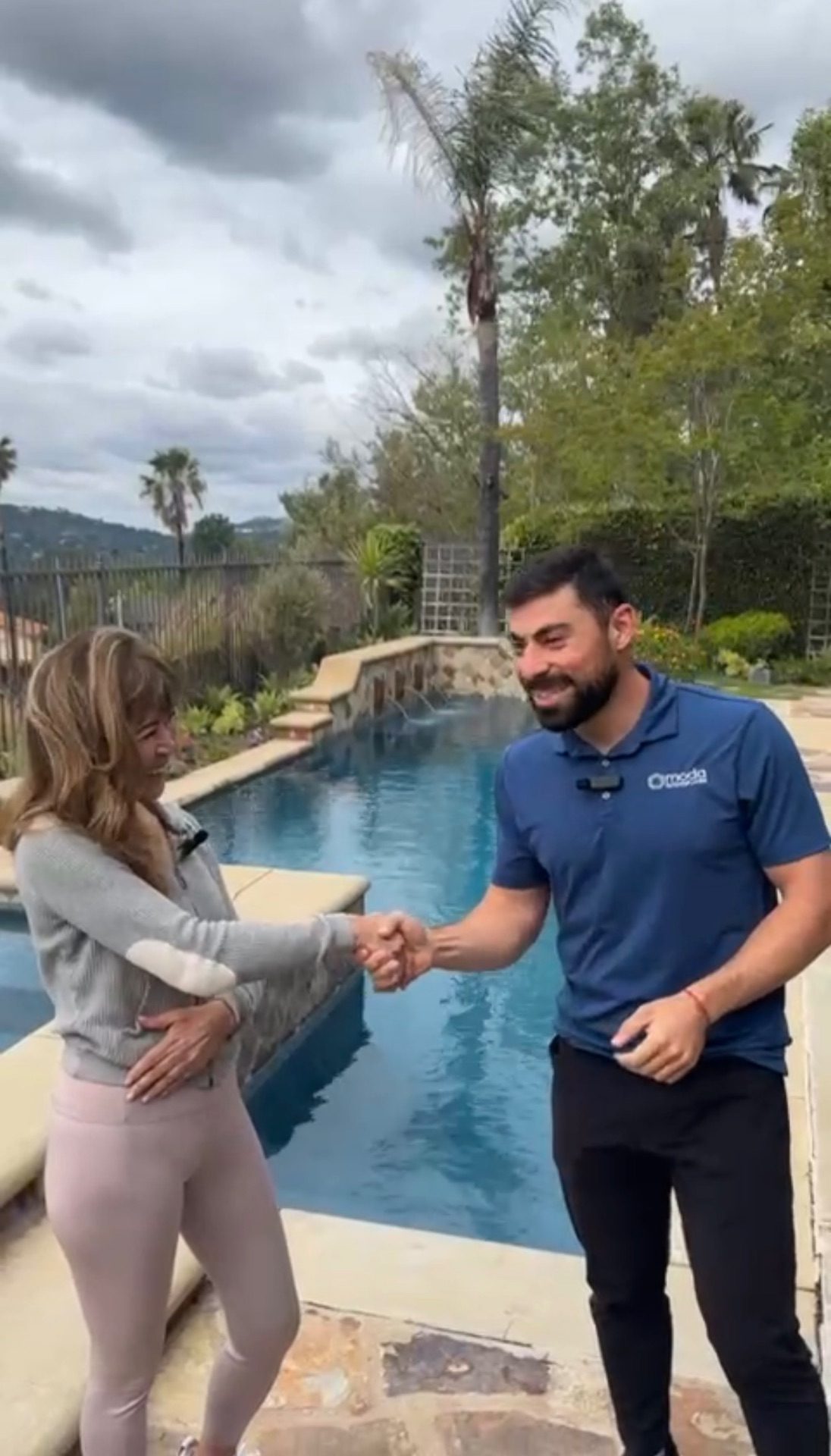
After meeting 2-3 contractors, you'll have a gut feeling. Trust it. The contractor you'll work with for 3-6 months should be someone you're comfortable calling, texting, and having on your property daily.
Frequently Asked Questions
How many bids should I get?
Three is the sweet spot. Fewer than three and you don't have comparison data. More than three and you're wasting everyone's time (including yours). Make sure all three are bidding on the same scope.
Should I always choose the cheapest bid?
No. The cheapest bid is often the most expensive project. Low bids frequently mean the contractor missed something, plans to use inferior materials, or will hit you with change orders. Compare value, not just price.
What's the biggest red flag?
Asking for a large cash deposit with no contract. Legitimate contractors provide detailed contracts before taking any money. In California, the deposit limit is $1,000 or 10% (whichever is less).