Three Fire Features, Three Different Budgets
"Fire feature" covers a lot of ground — a masonry fire pit, a linear fire table integrated into a bar, or a long fire trough spanning a pool's raised wall. The finish, footprint, and fuel-line complexity drive most of the cost swing.
Fire Pit Costs
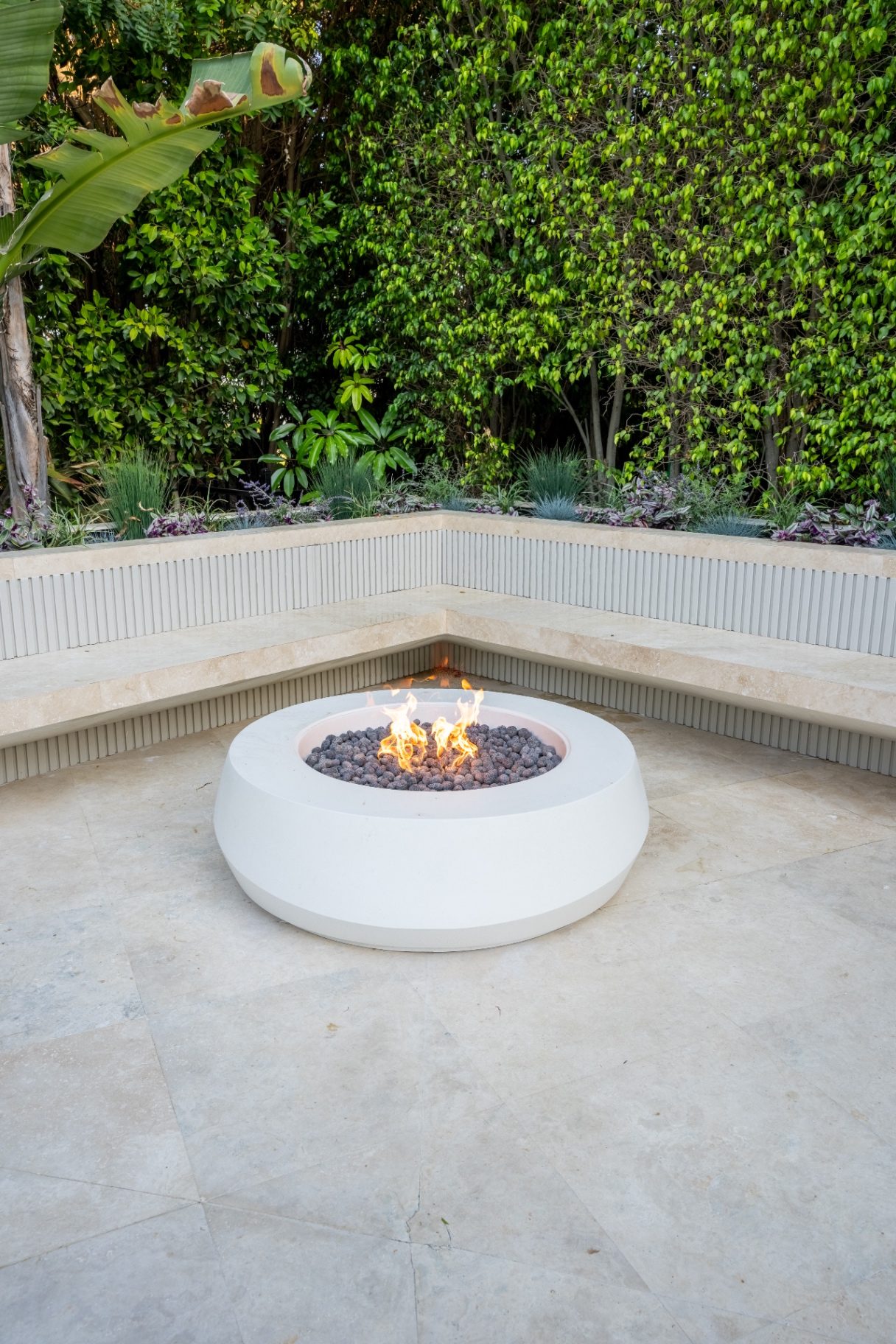
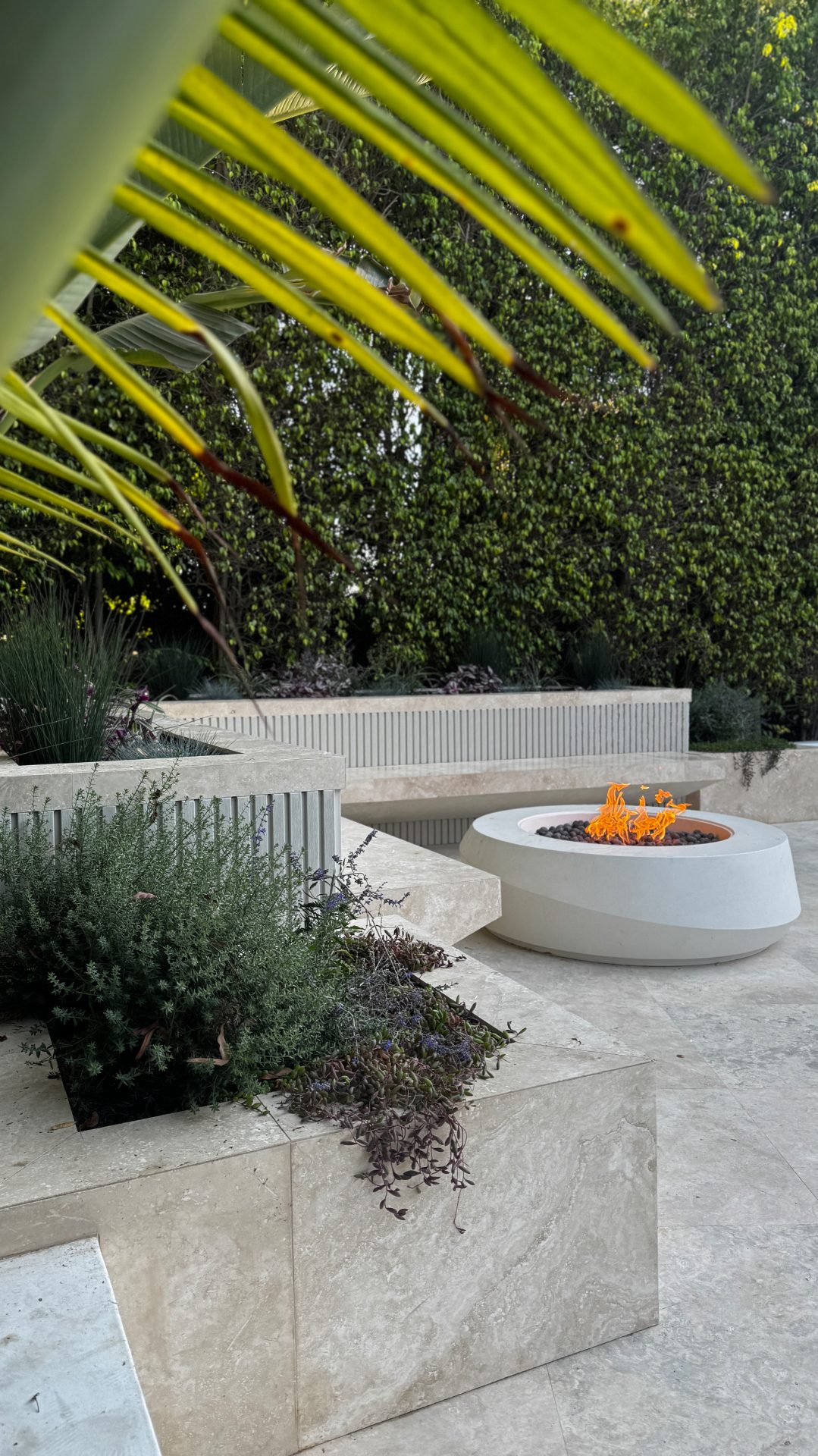
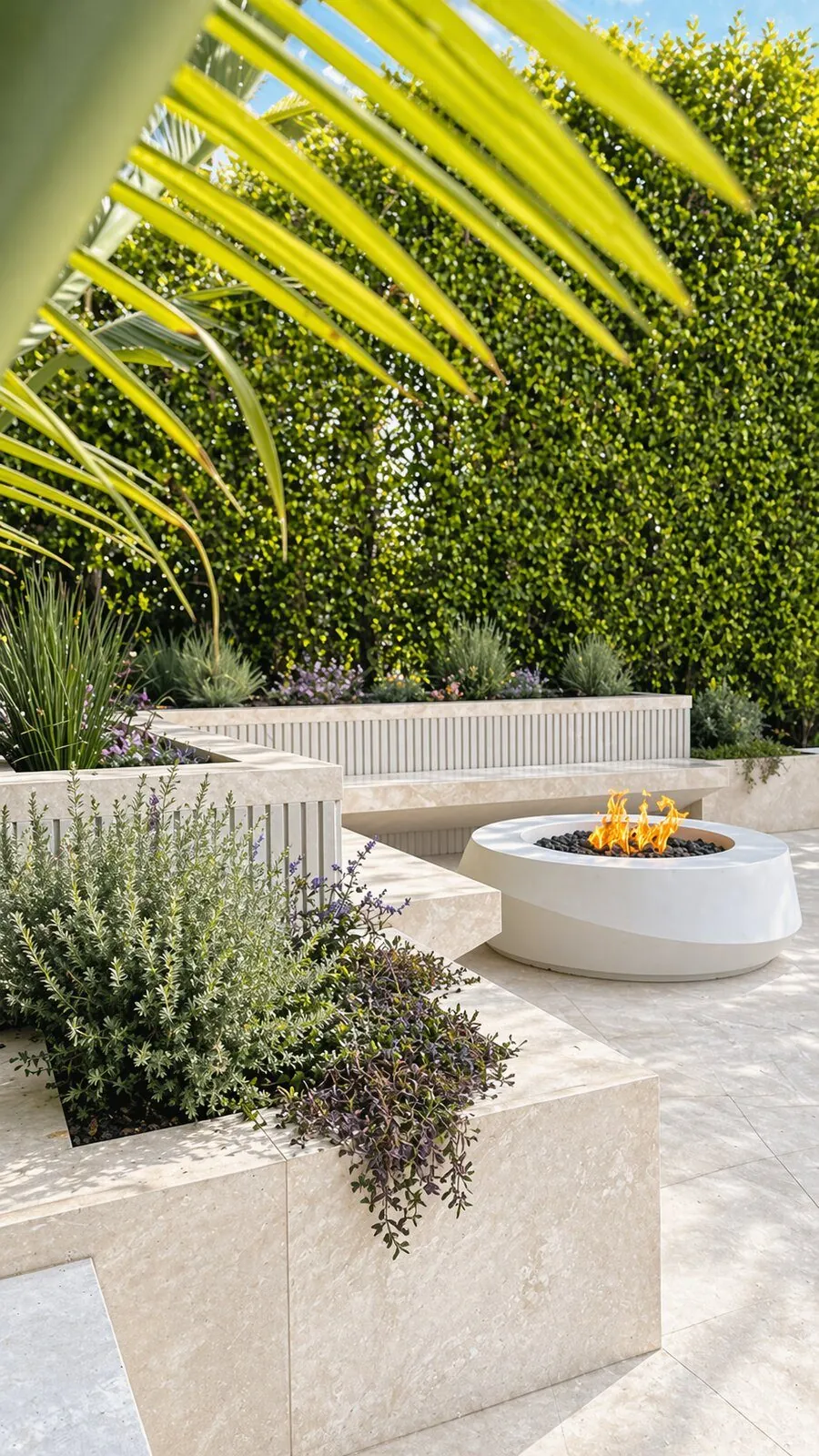
A traditional round or square masonry fire pit with a travertine or paver veneer, seat walls, and a gas ring typically runs from a few thousand dollars for a simple stand-alone unit up into the mid five figures once bench seating, capstone, and matching hardscape are included. Materials and footprint matter more than the fire ring itself — the burner and valve are a small line item next to masonry labor.
Fire Table Costs
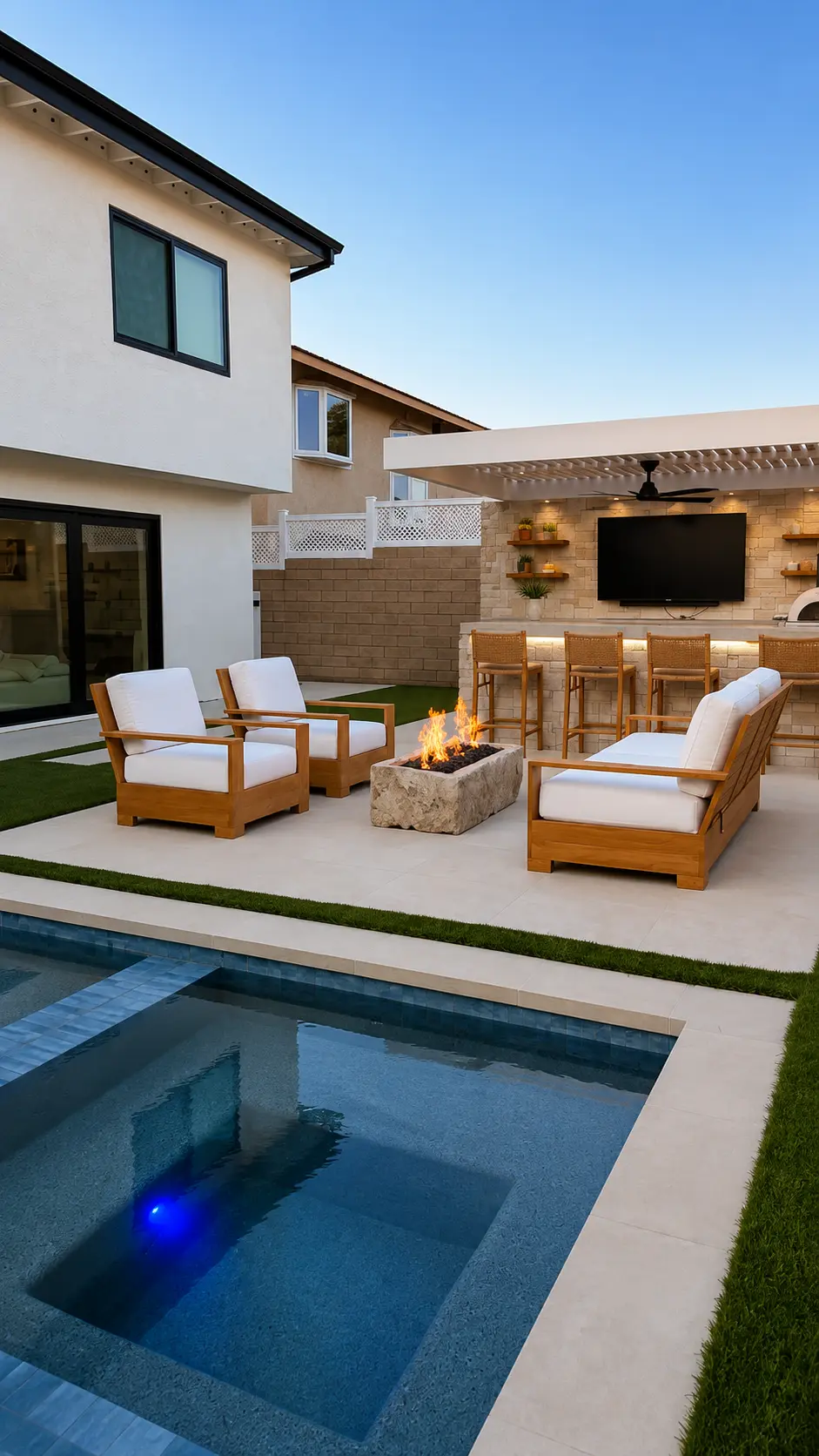
Fire tables — low, flat-topped units often built into a bar, kitchen island, or lounge seating group — cost more per square foot than a basic pit because the structure doubles as furniture. Expect a premium over an equivalent-size fire pit for the added countertop material, mitered edges, and often a glass wind guard.
Fire Trough Costs
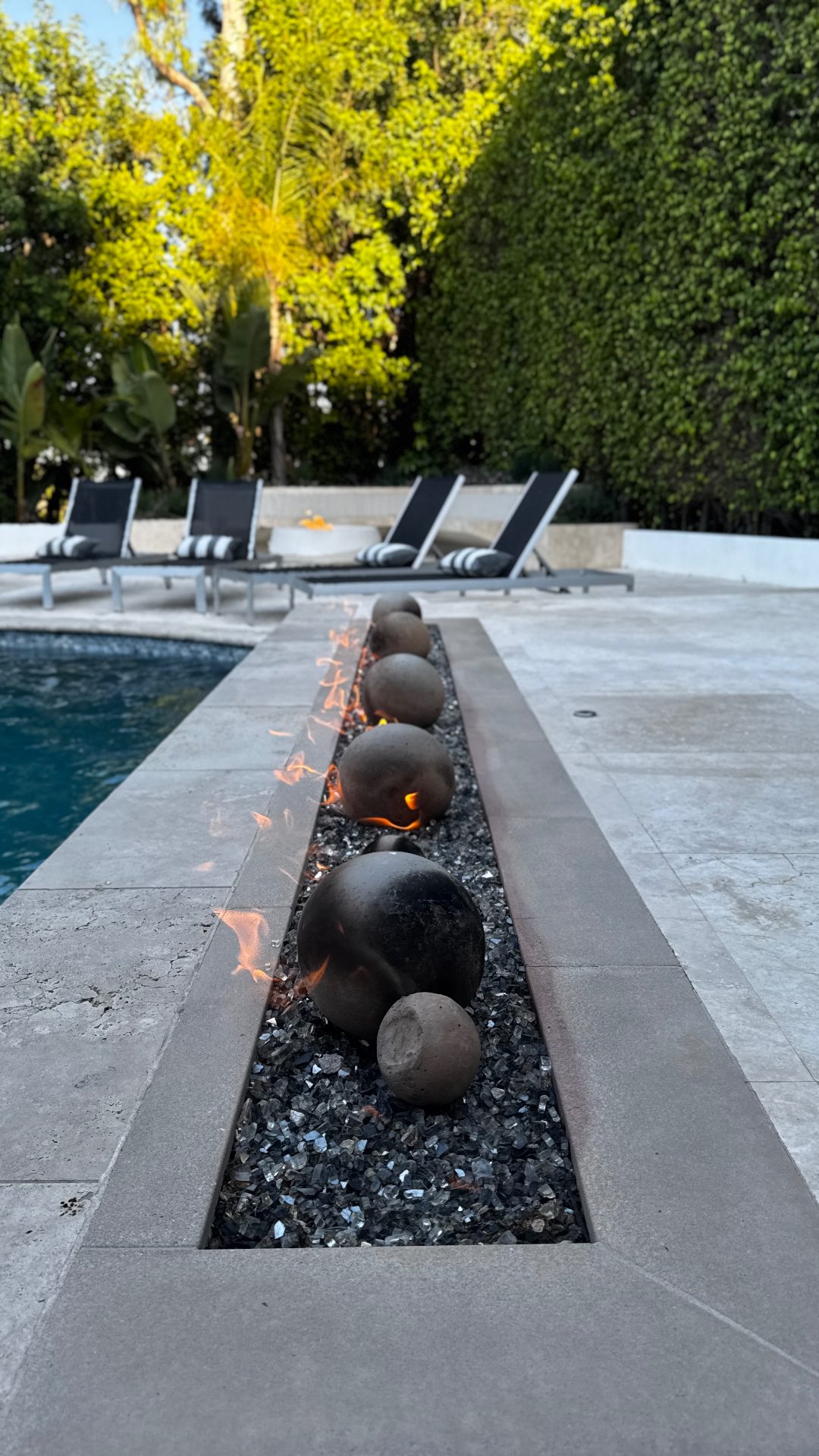
A fire trough — a long, narrow linear feature often set into a raised pool wall or spa spillway — is the most expensive of the three per linear foot. The narrow channel requires more precise gas line and ignition work, and the visual impact usually calls for a premium capstone like porcelain or mitered travertine.
What Drives the Price in Any Fire Feature
- Capstone material — standard travertine vs. porcelain mitered edge
- Length and shape — curved or multi-sided features cost more than a straight run
- Gas line routing — distance from the meter and whether trenching crosses hardscape
- Ignition type — manual match-lit vs. electronic push-button vs. app-controlled
- Whether it's integrated into a seat wall, bar, or pool structure vs. free-standing
💡 Pro Tip
If you're adding a fire feature during a pool remodel, tie the gas trenching into the same excavation as your equipment pad work — it's the single biggest way to save on labor.
Which One Should You Choose?
A fire pit makes sense as a stand-alone gathering spot away from the pool. A fire table earns its keep when it's also doing furniture duty next to seating or a bar. A fire trough is the right call when you want a dramatic, low-profile line of flame along a raised wall or spa edge — it reads as architecture, not just a feature.
Getting an Accurate Number for Your Yard
Because footprint, capstone, and gas routing vary so much from yard to yard, the fastest way to see real numbers for your project is our free online estimate tool — it walks through material and size choices and gives you a range before you ever schedule a site visit.
The fire ring is the cheapest part of a fire feature. The masonry and capstone around it are what you're really paying for.
Frequently Asked Questions
Which is cheaper, a fire pit or a fire table?
A basic masonry fire pit is usually the least expensive of the three because it doesn't require the finished countertop surface a fire table needs.
How much does a fire trough cost per linear foot?
Fire troughs generally cost more per linear foot than pits or tables because of the precision gas work and the premium capstone typically used, such as porcelain or mitered travertine.
Can I add a fire feature to an existing pool?
Yes. Fire troughs are commonly retrofitted into a raised spa wall during a pool remodel, and stand-alone fire pits or tables can be added anywhere with gas access.
What capstone options affect fire feature pricing the most?
Standard travertine keeps costs down, while porcelain with a mitered edge adds a premium but gives a cleaner, more modern line — the same material tiers used for pool coping and waterline tile.
Do fire features need a permit in Southern California?
Most gas-fed permanent fire features require a permit for the gas line work. A licensed contractor pulls this as part of the project so it's not something you manage yourself.