The Honest Answer: It Depends on the Market
In much of Los Angeles, a well-built pool is an expected amenity rather than a luxury upgrade, especially in warmer inland neighborhoods and on larger lots where buyers assume outdoor living space is part of the package. In those markets, a pool can meaningfully help a home sell and compete with comparable listings, even if it doesn't return 100% of its build cost as a line-item dollar figure.
Where a Pool Helps Most
- Warmer inland and valley neighborhoods where pools are the norm, not the exception
- Larger lots with room for a pool plus usable yard space around it
- Homes in a price bracket where buyers expect a finished backyard as part of the value
- Markets with strong indoor-outdoor lifestyle demand, which describes much of Southern California
Where It Helps Less
On small urban lots where a pool consumes most of the usable yard, or in cooler coastal microclimates where pool use is more seasonal, the value lift is smaller and buyer preference matters more. A poorly built or poorly maintained pool can actually be a liability at resale — buyers factor in the cost of remodeling a dated or failing pool against the asking price.
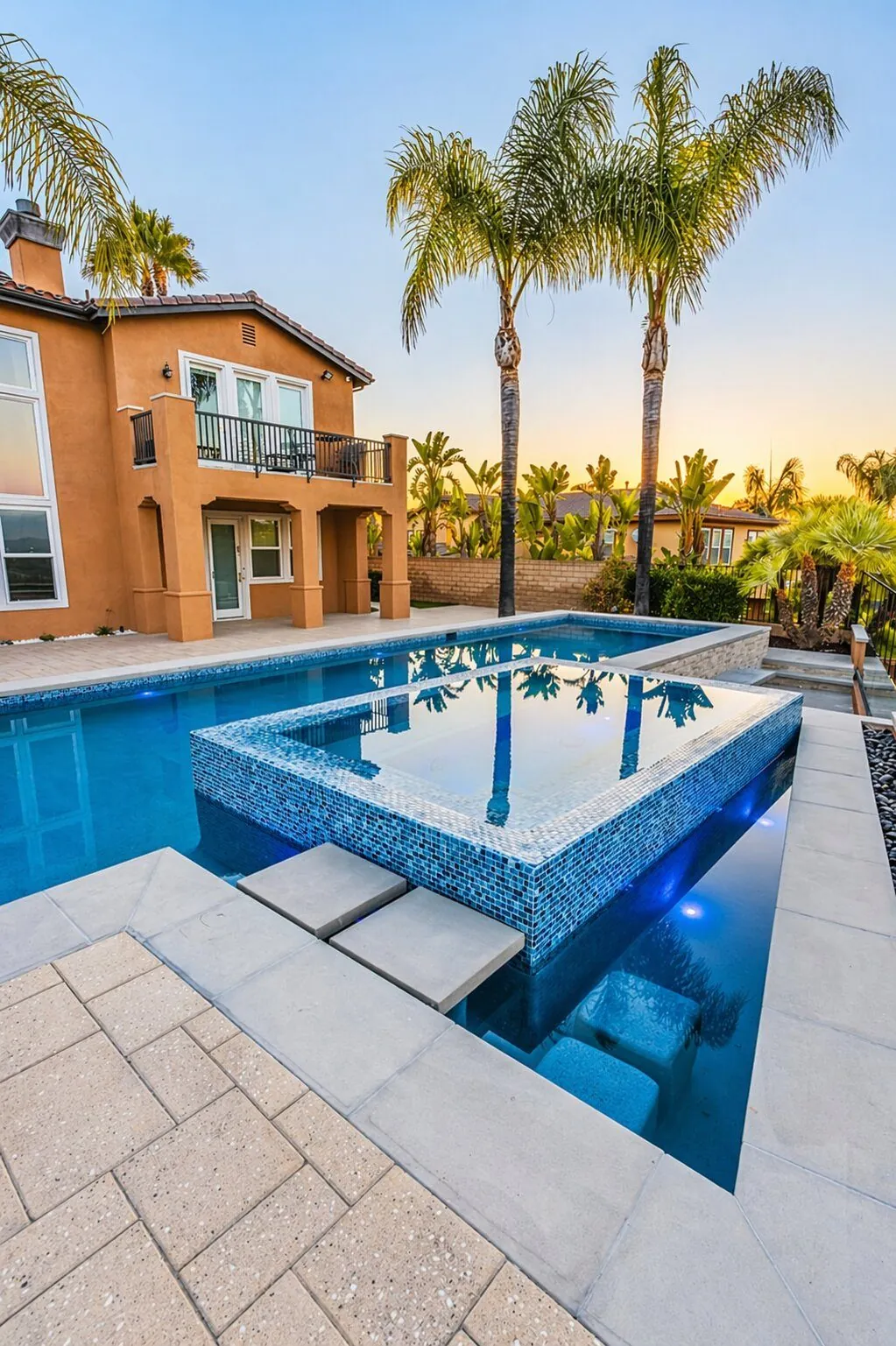
Build Quality Matters More Than People Think
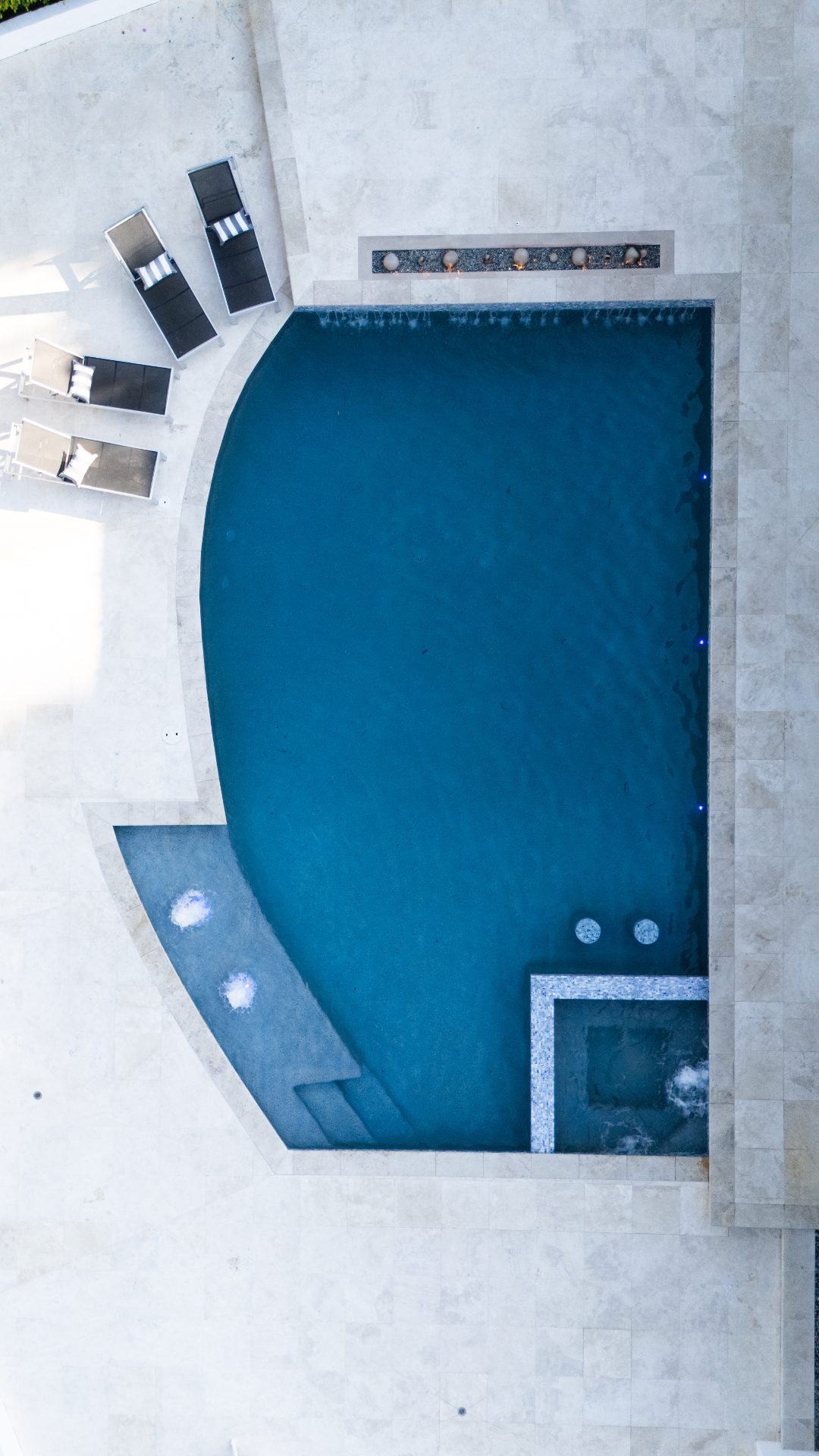
A structurally sound pool with proper rebar spec, correctly sized equipment, and a finish that hasn't failed after a few years reads very differently to a buyer's inspector than one with cracking plaster, undersized equipment, or unpermitted work. Unpermitted pool work in particular can complicate a sale — LA County and City require permits for pool construction, and unpermitted structures can become a negotiating point or a disclosure issue.
💡 Pro Tip
If value at resale matters to you, favor durable finishes (micro pebble or micro fusion over basic plaster) and porcelain coping and tile over the long run — they hold their appearance longer and read as a well-maintained pool to a future buyer.
What Actually Adds the Most Value Per Dollar
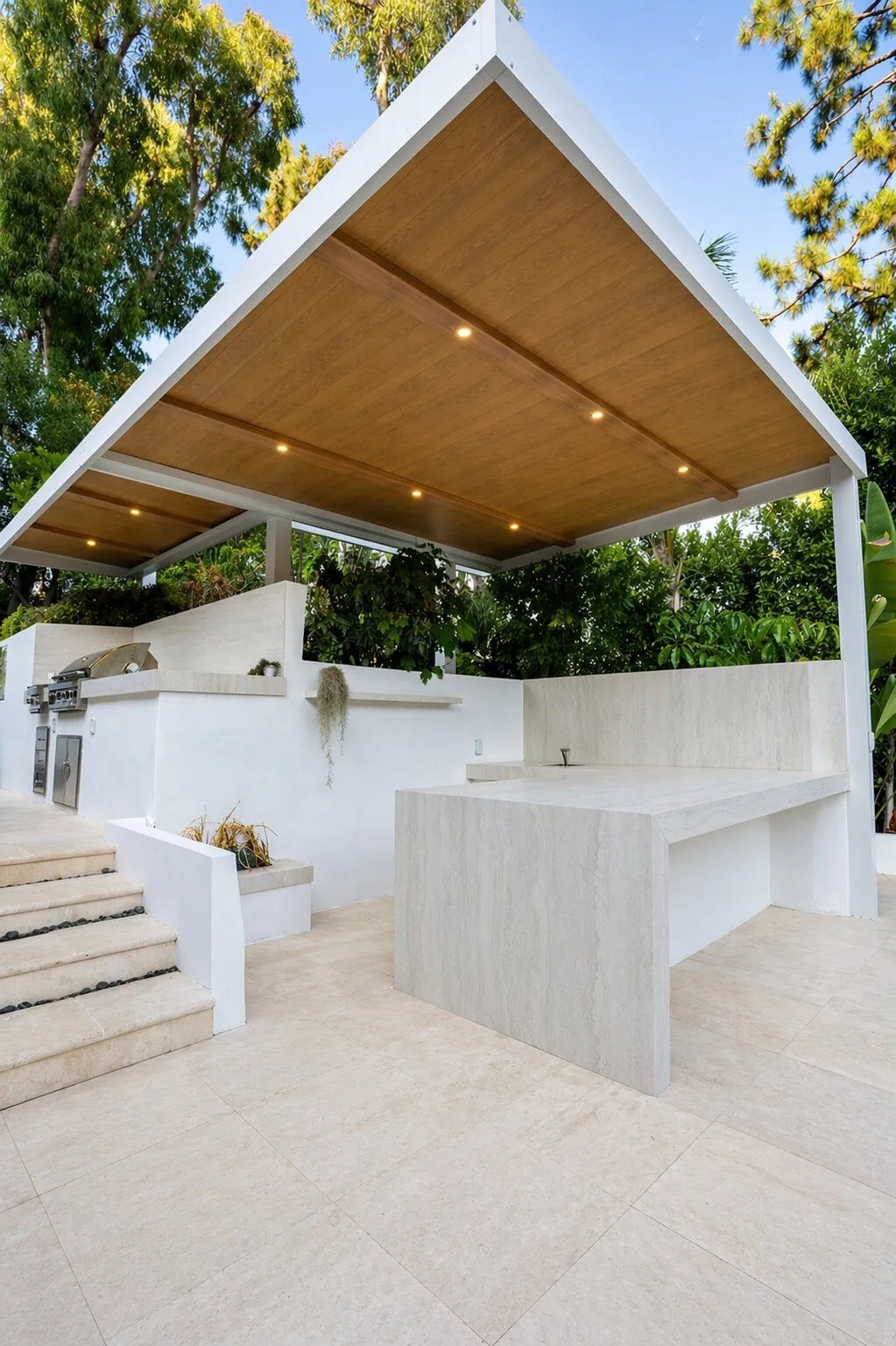
Beyond the pool shell itself, features that make the space feel finished and usable — quality decking, shade structures, and outdoor living space around the pool — tend to move buyer perception more than incremental pool upgrades alone. A pool surrounded by cracked concrete and no shade reads as unfinished no matter how nice the water is.
Because value impact varies so much by neighborhood and lot, the most useful next step is usually a conversation about your specific property, plus a real cost estimate for the pool and hardscape package you're considering.
Frequently Asked Questions
Does adding a pool increase home value in Los Angeles?
In many Los Angeles neighborhoods, especially warmer inland areas and larger lots, a well-built pool can meaningfully help a home compete and sell, though it rarely returns 100% of its build cost as a direct dollar-for-dollar increase.
Does a pool hurt home value anywhere in LA?
On very small lots where a pool consumes most of the usable yard, or in cooler coastal areas with more seasonal pool use, the value impact is smaller and a poorly maintained pool can even be a liability at resale.
Does an unpermitted pool affect resale value?
Yes, unpermitted pool work can complicate a sale since LA County and City require permits for pool construction, and buyers or their inspectors often flag unpermitted structures during due diligence.
What pool features add the most resale value?
Durable, long-lasting finishes like micro pebble or micro fusion, quality decking, and shade structures around the pool tend to matter more to buyers than incremental equipment upgrades alone.
Should I build a pool just to increase resale value?
A pool should primarily be built for your own enjoyment of the home — resale value depends heavily on your specific neighborhood and lot, so it's worth discussing your situation directly before treating it as a guaranteed investment.