Understanding Shotcrete Pool Construction
When you hire a pool builder in California, they're almost certainly using shotcrete. It's the dominant construction method for residential pools, and for good reason. But what exactly is it, and how does it differ from other methods?
What Is Shotcrete?
Shotcrete is concrete sprayed at high velocity onto a framework of steel reinforcement (rebar). The force of application compacts the material, creating a dense, strong shell. Shotcrete is mixed with water before spraying (wet-mix application).
Shotcrete vs. Gunite
The terms are often used interchangeably, but there's a technical difference:
- Gunite: Dry mix + water added at nozzle (dry-mix application)
- Shotcrete: Pre-mixed concrete sprayed wet (wet-mix application)
Shotcrete is more common in California because it requires less specialized equipment and provides more consistent hydration. Both create excellent pools when applied properly.
Why Shotcrete Dominates California
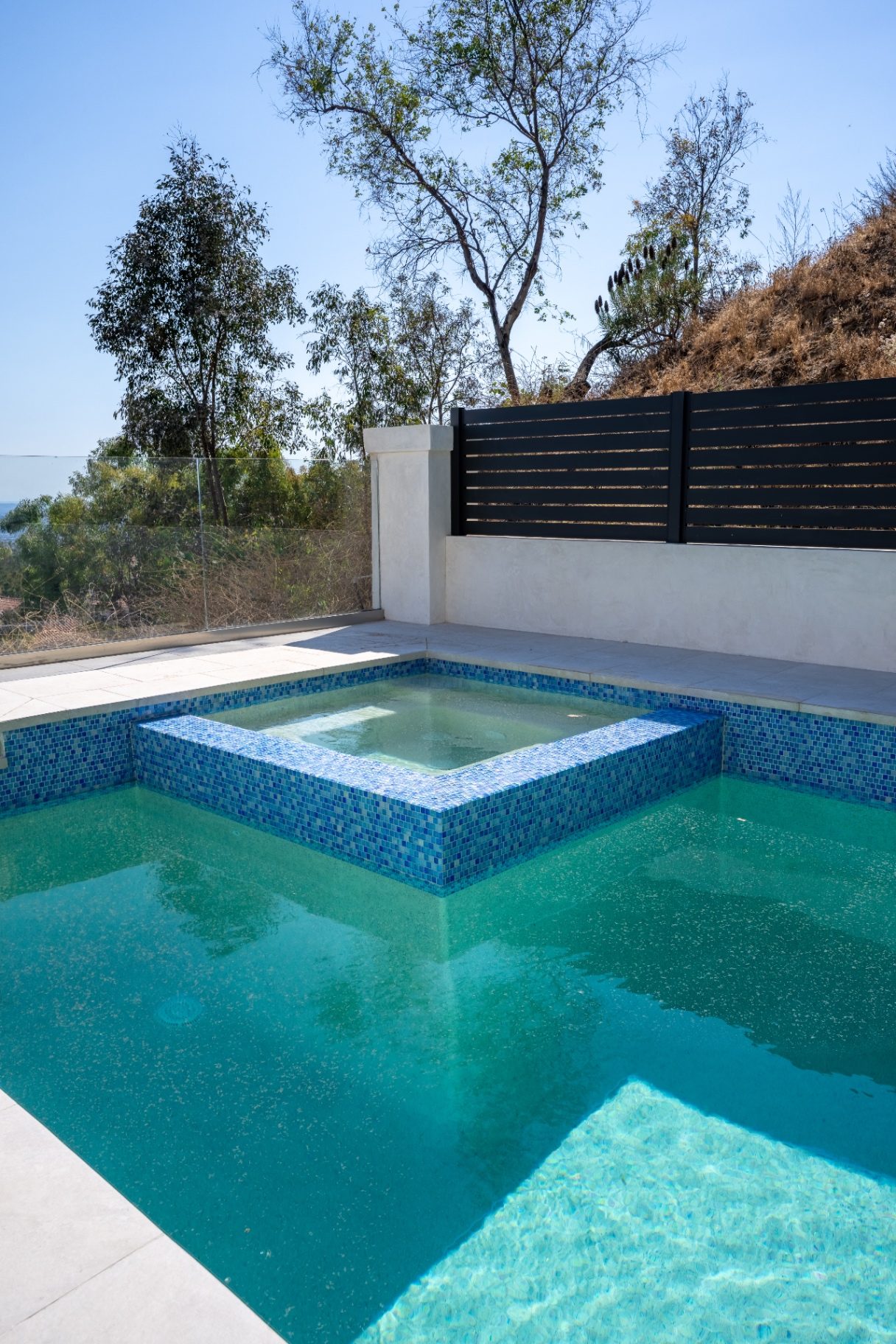
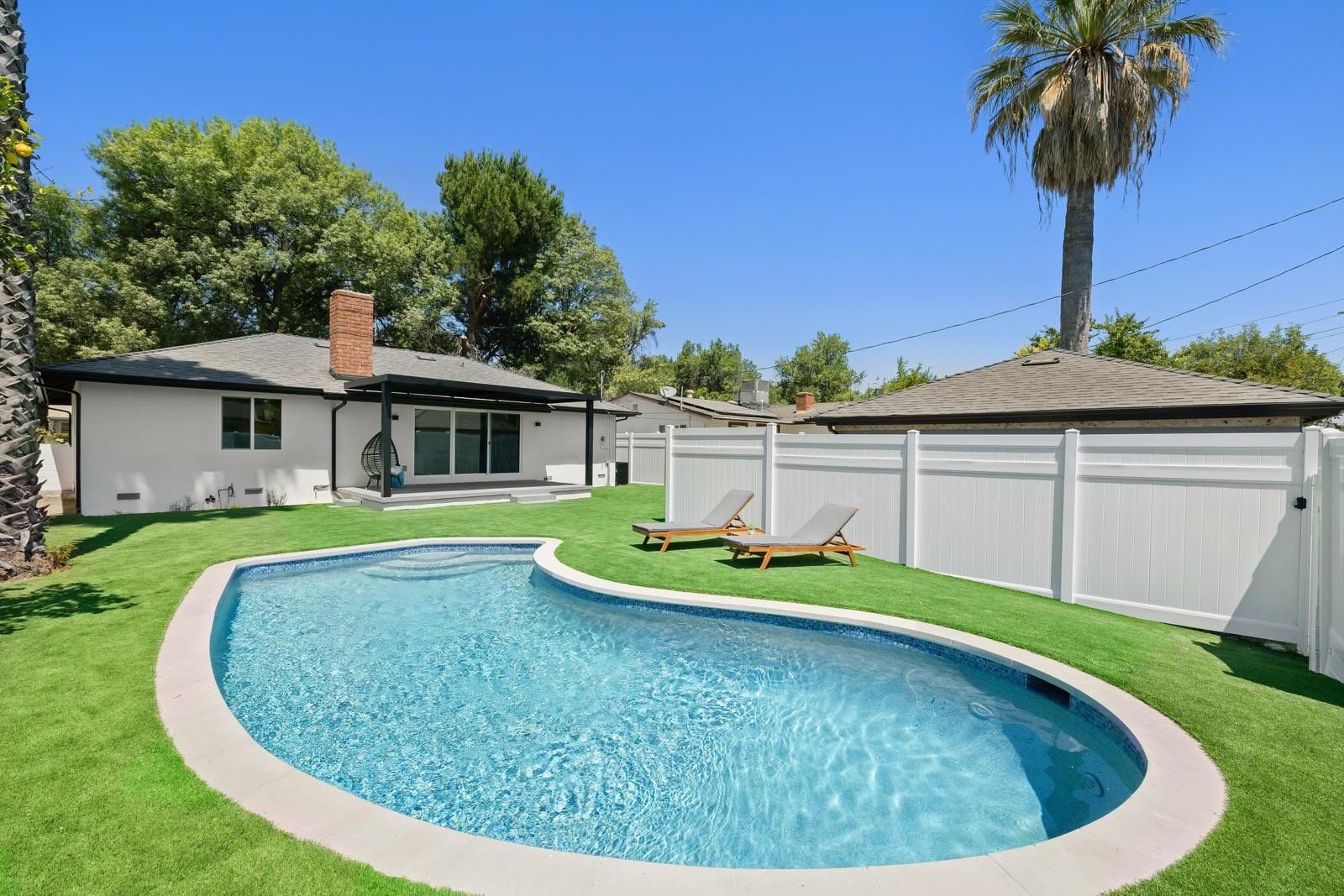
- Complete design flexibility: Any shape, size, or depth is possible
- Strength: 4,000+ PSI when cured properly
- Durability: Lasts 30-50+ years with proper maintenance
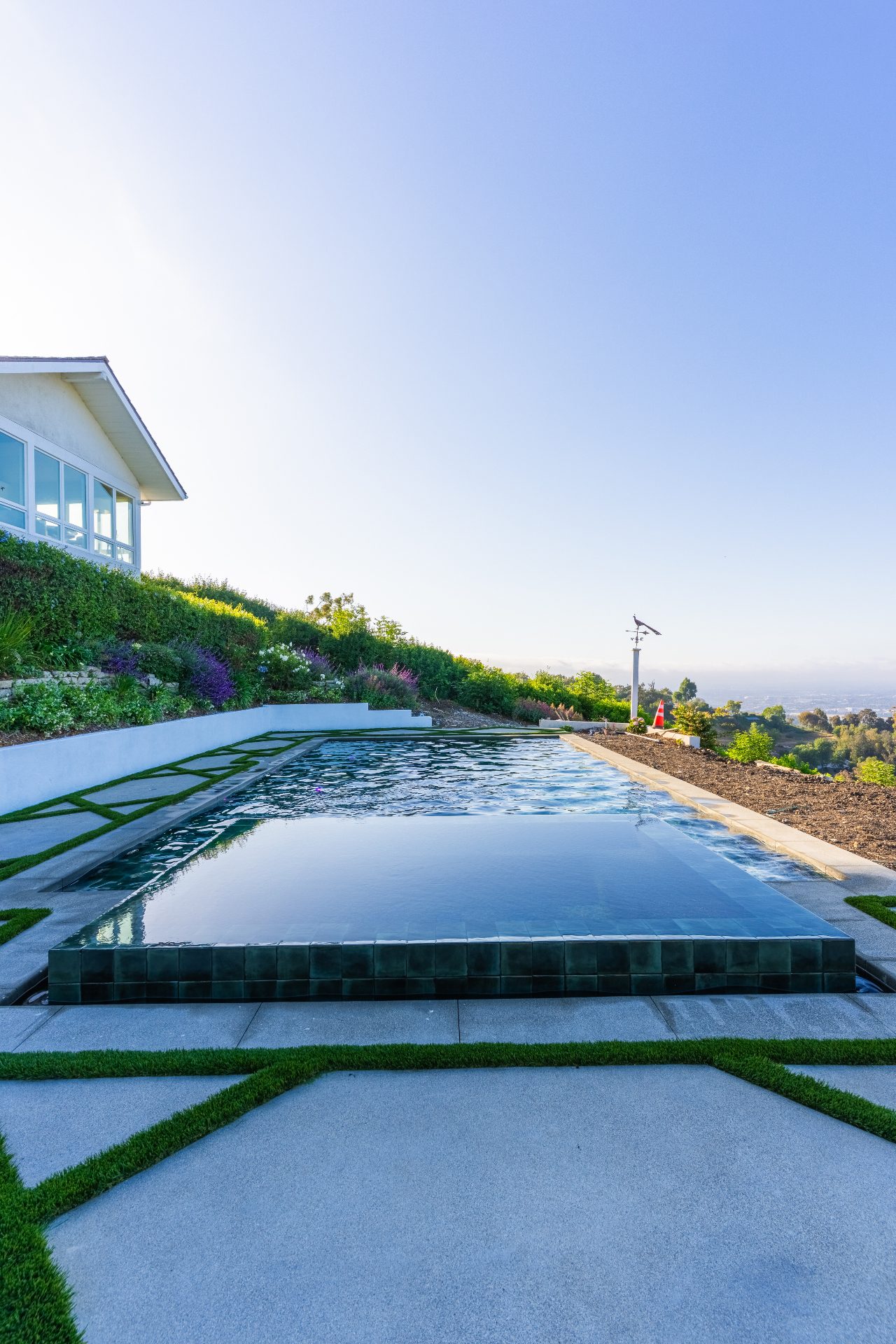
- Adaptability: Works on any site condition, including hillsides
- Finish options: Can apply any interior finish
The Construction Process
- Excavation: Dig to shape and depth
- Steel placement: Rebar framework tied according to engineering
- Plumbing: Install all pipes and fittings
- Shotcrete application: Spray shell in one continuous day
- Curing: Water cure for 7-14 days
- Tile and coping: Install waterline and edge
- Interior finish: Apply plaster, pebble, or other surface
- Fill and start-up: Add water and balance chemicals
💡 Pro Tip
Watch the shotcrete day. A good crew works continuously, packing material thoroughly. Poor application (rebound, cold joints) causes problems years later.
Shotcrete vs. Fiberglass
Fiberglass pools are factory-made shells that get dropped into excavated holes. They're popular in some regions but less common in California:
- Fiberglass pros: Faster installation, smooth surface, lower initial cost
- Fiberglass cons: Limited shapes/sizes, visible seams possible, harder to repair, can pop out of ground in high water table areas
For custom pools in LA, shotcrete is almost always the better choice. The design flexibility alone justifies it.
Quality Indicators
Signs of quality shotcrete work:
- Even coverage without cold joints or layers
- Proper steel placement (minimum 3" cover)
- Consistent thickness throughout
- No visible voids or honeycombing
- Proper curing (water multiple times daily for 7-14 days)
The shotcrete crew was impressive—eight hours of continuous work, no breaks, perfect coverage. That attention to detail shows in the final product. — James T.
Frequently Asked Questions
What's the difference between shotcrete and gunite?
Shotcrete is wet-mix (water added before spraying). Gunite is dry-mix (water added at nozzle). Both create quality pools; shotcrete is more common in California.
Why not fiberglass pools in California?
Fiberglass offers limited shapes and sizes, can pop in high water table areas, and is harder to repair. Shotcrete's flexibility makes it preferred for custom designs.
How long does a shotcrete pool last?
The shell itself lasts 30-50+ years. Interior finishes need replacement every 10-25 years depending on type.
How thick should a pool shell be?
Minimum 6" for walls, 8" for floor in residential pools. Some designs require more based on engineering.