
Why Electrical Code Matters for Outdoor Projects
Electrical is where I see the most dangerous shortcuts by inexperienced contractors. Outdoor electrical has specific requirements that differ from indoor—and getting it wrong isn't just a code violation, it's a safety hazard.
Here's what you need to know about California electrical requirements for outdoor living spaces in 2026.
GFCI Requirements: More Extensive Than You Think
Ground Fault Circuit Interrupter (GFCI) protection is required for more locations than many people realize:
- All outdoor outlets (this is obvious)
- Within 6 feet of any sink (outdoor kitchen)
- Pool equipment circuits
- Hot tub and spa circuits
- Outlets in garages that open to outdoor areas
- All circuits under pergolas and covered patios
The 2023 NEC (National Electrical Code), which California has adopted, expanded GFCI requirements further. If your contractor says you don't need GFCI somewhere outdoors, get a second opinion.
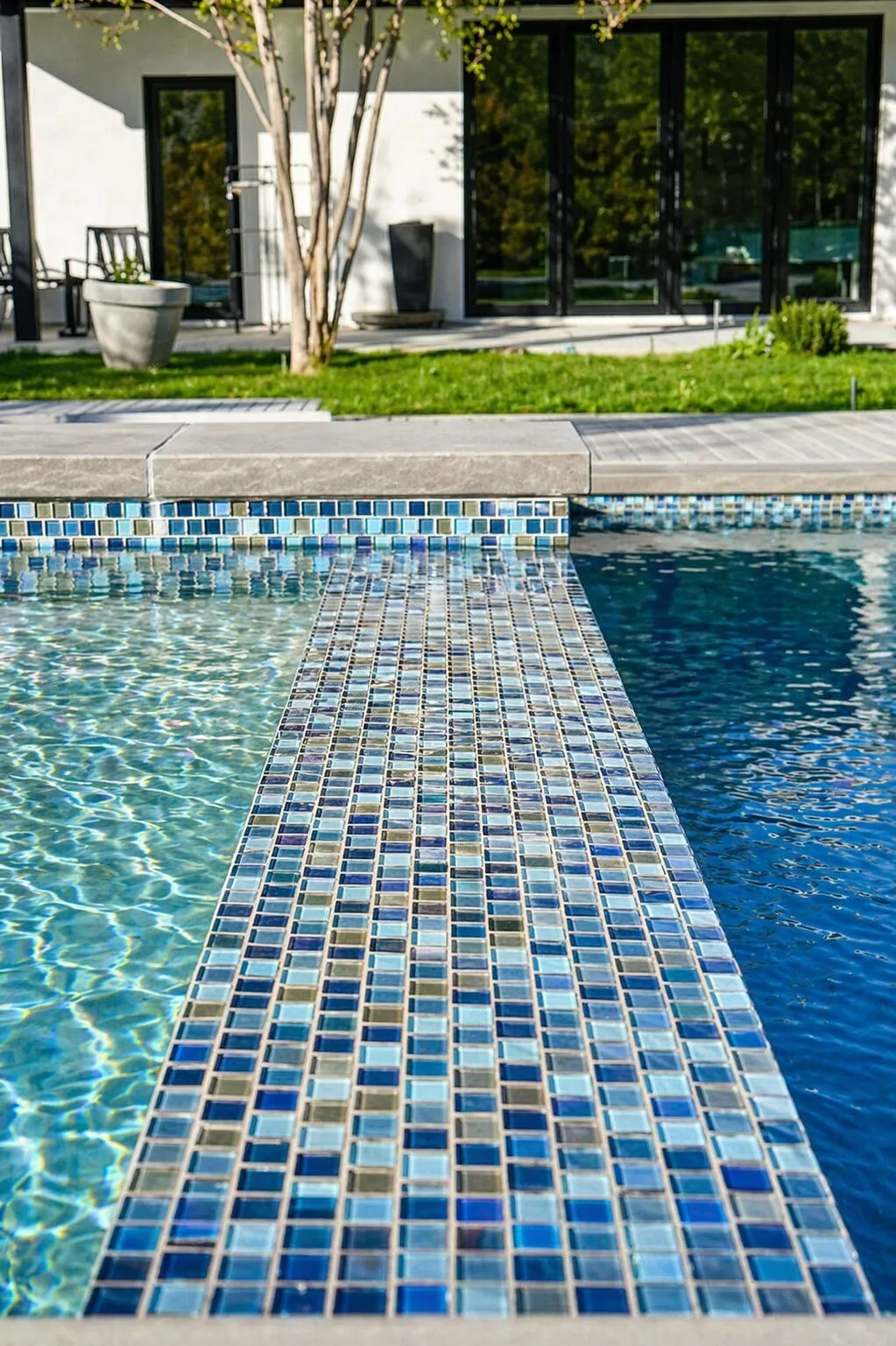
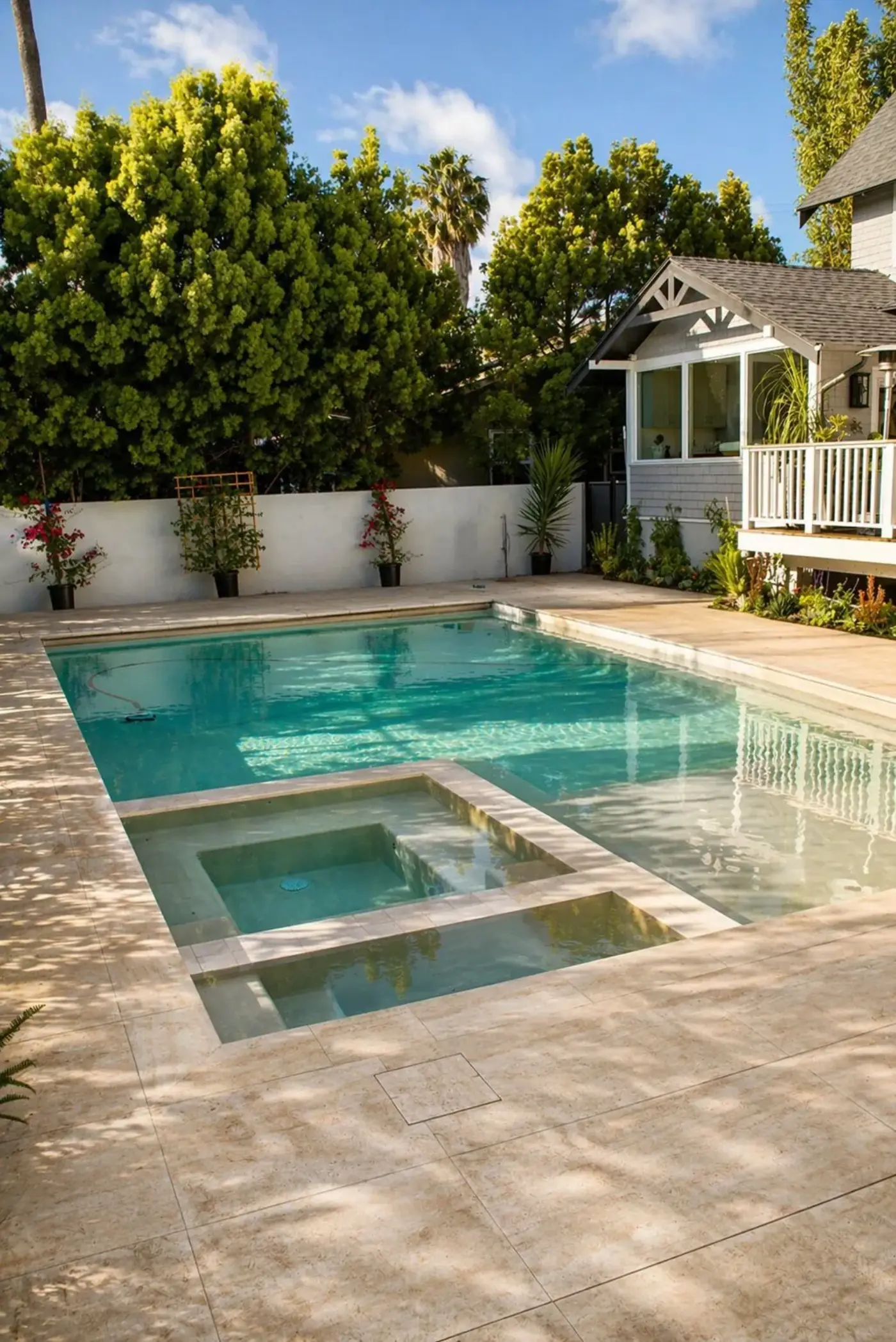
Pool and Spa Bonding
Bonding is the electrical connection of all metal components around a pool to prevent shock hazards. It's different from grounding and is often done incorrectly. What must be bonded:
- Pool shell (reinforcing steel)
- All metal within 5 feet of pool edge
- Pool equipment (pumps, heaters, controllers)
- Metal ladders, rails, diving boards
- Metal light fixtures and junction boxes
- Perimeter surfaces (pavers, decking—yes, really)
That last one surprises people. The 2017 NEC added requirements for bonding the perimeter surface around pools. This is done with copper wire in a grid pattern under the deck.
💡 Pro Tip
Bonding inspections are where most pools fail. Make sure your contractor understands current bonding requirements before starting. Failed bonding inspection means tearing up decking.
Outdoor Kitchen Electrical
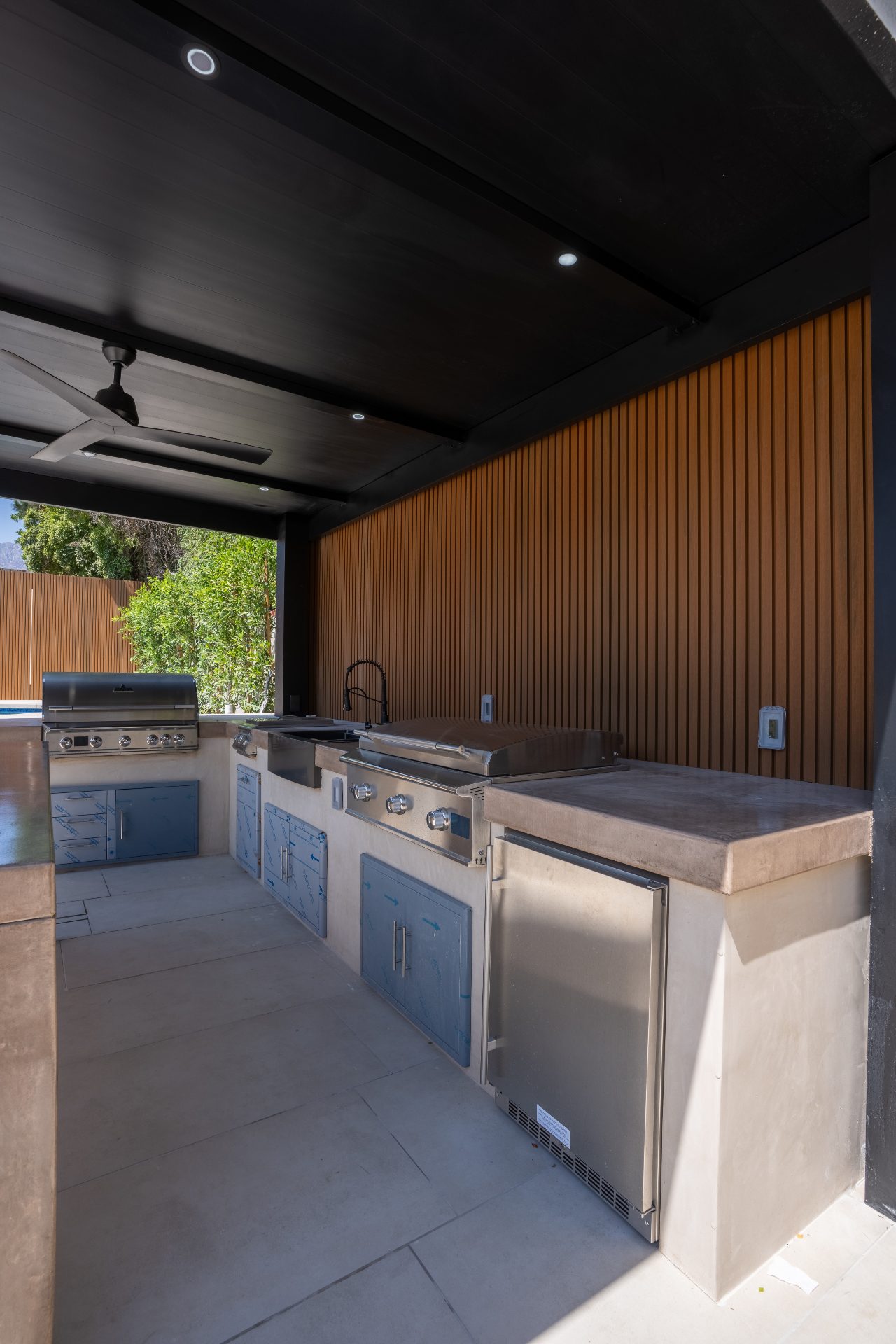
Outdoor kitchens need more electrical capacity than most people plan. Here's what a typical setup requires:
- Refrigerator: Dedicated 20-amp circuit
- Electric grill (if applicable): 30-50 amp circuit
- Outlets for blenders, etc.: Shared 20-amp GFCI circuit
- Lighting: Can be on house circuit but dedicated preferred
- Fans/heaters: Often need dedicated circuits depending on load
We typically run a 60-amp sub-panel to outdoor kitchen areas. It costs $800-1,200 more upfront but provides flexibility for future additions.
Landscape Lighting Requirements
Low-voltage landscape lighting (12V) has fewer code requirements than line voltage, which is why it's preferred:
- Transformer must be GFCI protected
- Wire burial depth: 6 inches minimum for direct burial cable
- Fixtures must be rated for wet locations
- Timer/controller location must be accessible
Line-voltage (120V) outdoor lighting requires conduit, deeper burial, and more inspection points. For most landscape applications, low-voltage is the right choice.
EV Charger Integration
More clients are asking about integrating EV chargers with outdoor projects, especially when we're building pergolas over driveways. Key considerations:
- Level 2 chargers need 240V, 40-50 amp circuits
- Conduit routing during construction saves money later
- Panel capacity may need upgrade for charger + outdoor features
- Smart panel options can manage load automatically
Even if you're not installing an EV charger now, consider running conduit during construction. The incremental cost is minimal compared to trenching later.
They planned for everything—even ran conduit for an EV charger we might want later. Smart planning. — Felix K., via Google
What Inspectors Look For
Common electrical inspection failures we see (and avoid):
- Missing GFCI protection (biggest failure point)
- Incorrect bonding (especially perimeter bonding)
- Wire burial too shallow
- Non-weatherproof boxes and covers
- Improper load calculations (overloaded circuits)
- Missing permit for electrical work
We coordinate with licensed electricians who specialize in outdoor work. This matters more than you might think—indoor electricians sometimes miss outdoor-specific requirements.
Frequently Asked Questions
Do all outdoor outlets need GFCI protection?
Yes—all outdoor outlets and any outlets within 6 feet of sinks, pools, or spas require GFCI protection.
What is pool bonding and why does it matter?
Bonding connects all metal components around a pool to prevent shock hazards. It's different from grounding and is required by code.
How much electrical capacity does an outdoor kitchen need?
Typically 40-60 amps depending on appliances. We often install a sub-panel for flexibility.
Do I need a permit for landscape lighting?
Low-voltage systems usually don't require permits. Line-voltage (120V) outdoor lighting requires electrical permit.
Should I plan for EV charger during outdoor construction?
Yes—at minimum, run conduit during construction. Adding later requires trenching and costs significantly more.