The Problem with Pinterest Boards
I love when clients come to me with inspiration photos. But here's what I've noticed: most Pinterest boards are a collection of beautiful, unrelated ideas. An infinity pool from Malibu. A fire pit from Scottsdale. A kitchen from Miami. A pergola from Napa.
The problem? These elements weren't designed to work together. And throwing them all into one backyard creates visual chaos—not the cohesive retreat you're imagining.
What Design by Intention Means
Every element should answer the question: Why is this here?
- Why is the fire pit in that location? (Sight lines, traffic flow, wind)
- Why is the pool this shape? (Property lines, sun orientation, use case)
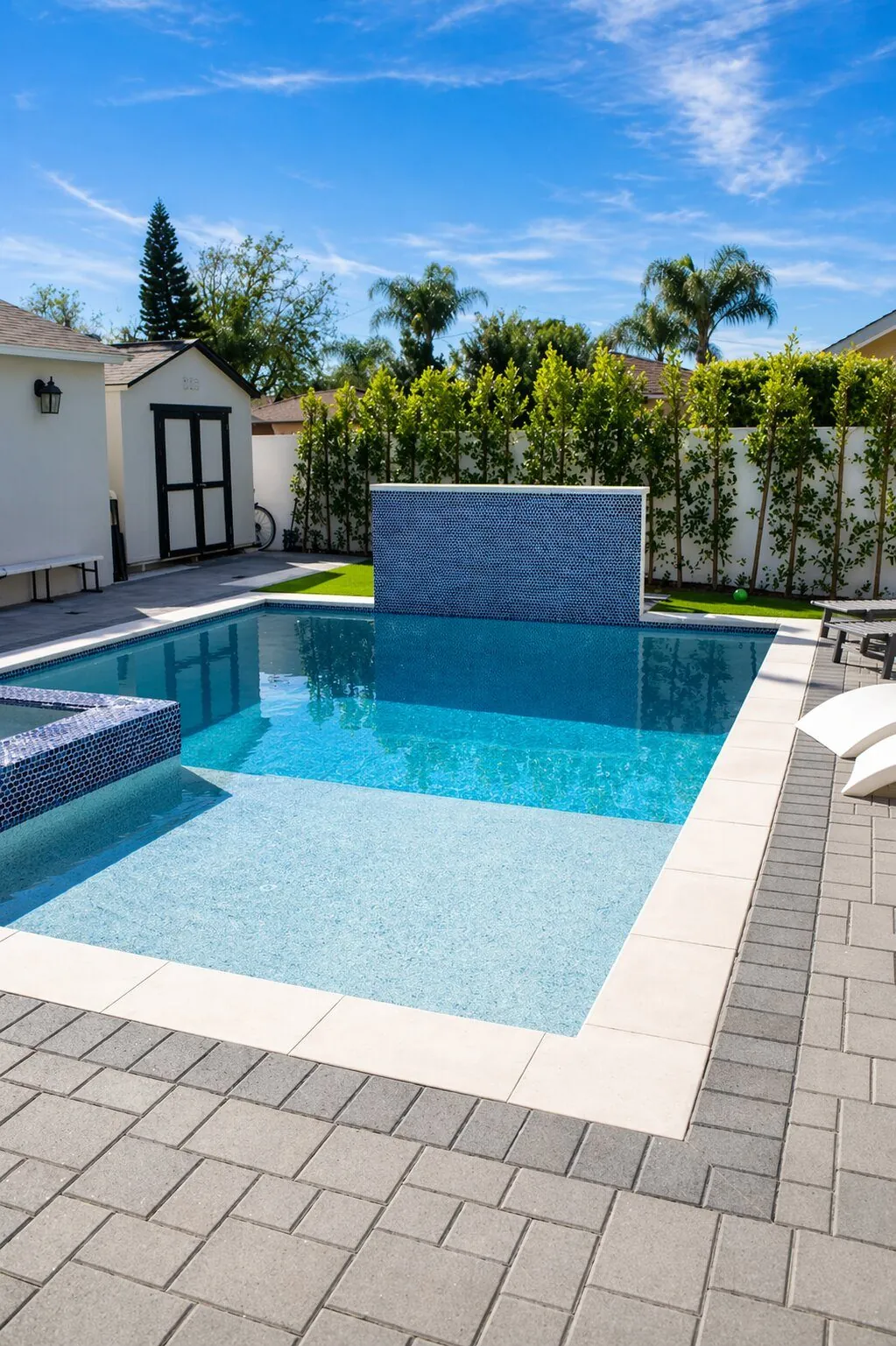
- Why are the pavers this color? (Home architecture, heat reflection, mood)
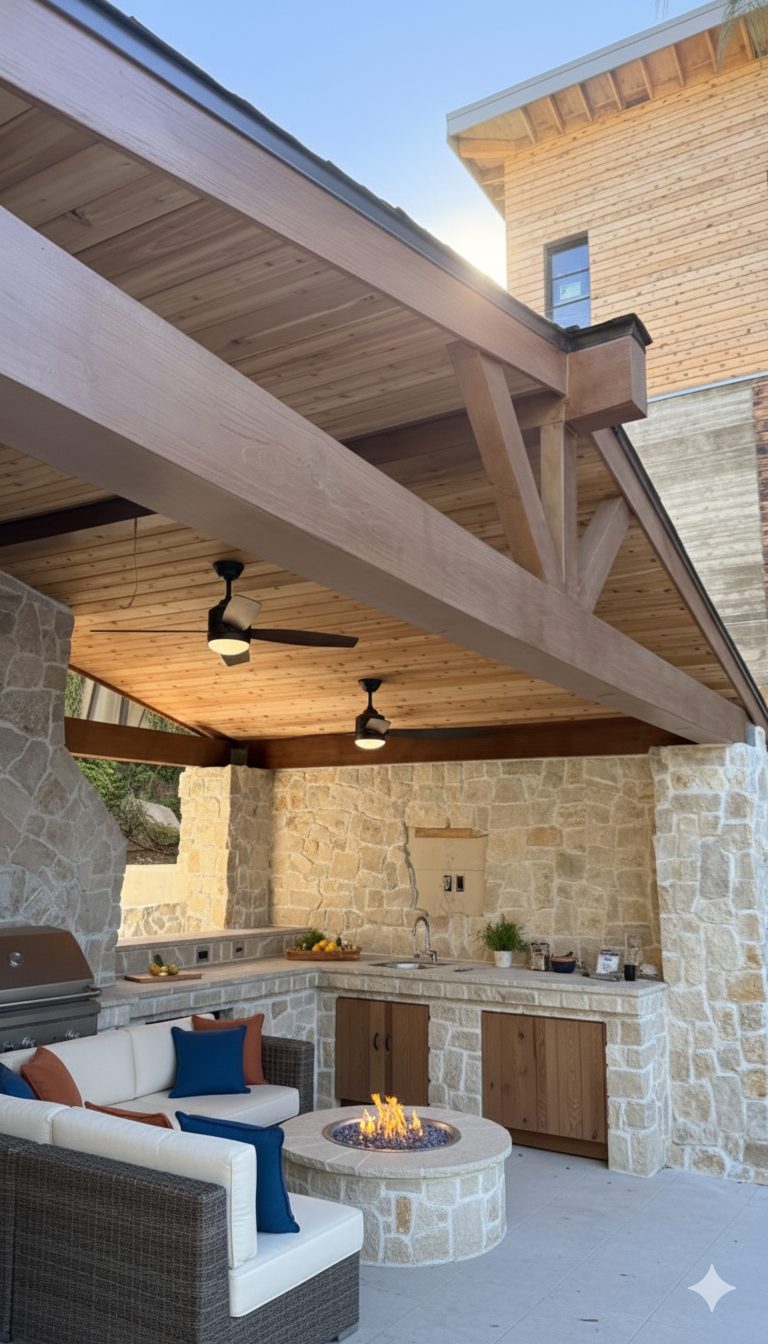
- Why is the kitchen positioned there? (Proximity to house, views, shade)
The Three Pillars
1. Function First
Before aesthetics, we solve practical problems. How do you move through the space? Where does water drain? Where does the sun hit at different times?
2. Visual Hierarchy
Every great space has a primary focal point, secondary elements that support it, and tertiary elements that fill in. Without this hierarchy, everything competes for attention.
3. Material Consistency
We limit the material palette. Two to three stone types, one metal finish, one wood tone. This creates cohesion even across different features.
Everything just flows. There's no awkward corner, no wasted space. It all makes sense. — Michael Martinho
💡 Pro Tip
Before adding any feature, ask: What problem does this solve? If you can't answer clearly, reconsider whether you need it.
Watch the Transformation
Frequently Asked Questions
How do you start the design process?
We start with questions about how you live, not what you want. The design emerges from understanding your actual lifestyle.
What if I change my mind mid-project?
Changes are possible but get more expensive as construction progresses. That's why we invest so much time in planning.